
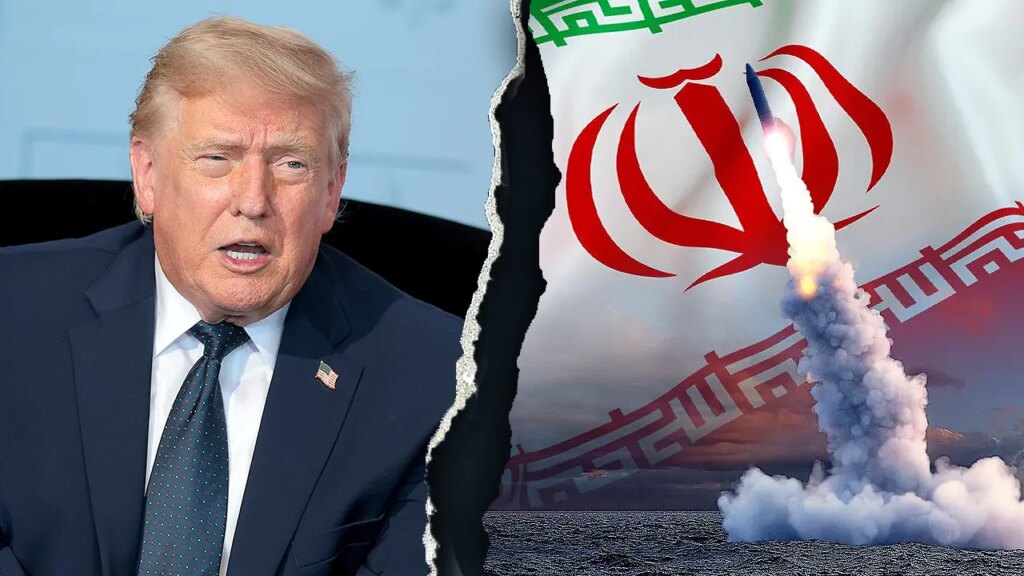
In a recent warning to Iran, President Donald Trump stated that the United States could take serious military action if negotiations between Washington and Tehran fail to produce results. During an interview, Trump emphasized the simplicity of the situation, asserting that Iran must not acquire nuclear weaponry. He characterized the ongoing discussions as promising, yet acknowledged that if diplomatic efforts collapse again, the U.S. is prepared to respond militarily.
| Article Subheadings |
|---|
| 1) President Trump’s Stark Warning |
| 2) Insights into Recent Military Options |
| 3) The State of Negotiations |
| 4) Historical Context of U.S.-Iran Relations |
| 5) What’s Next for Diplomacy with Iran? |
President Trump’s Stark Warning
During an interview, President Trump articulated a clear and direct warning regarding Iran’s nuclear ambitions. He stated that if Iran were to abandon the ongoing negotiations again, the United States would respond with remarkable military force. “If they back out again, they’re going to get hit really hard,” Trump conveyed. This warning underscores the administration’s ongoing concerns over Iran’s capabilities to develop nuclear weapons and its potential implications for regional stability. Notably, Trump believes that maintaining a stance of strength is essential and indicated that military action remains a viable option should diplomacy fall short.
Insights into Recent Military Options
The U.S. has been considering military options in response to Iran’s nuclear program and broader regional aggressions. Trump disclosed that a major military strike was initially contemplated, one that could rival operations conducted during World War II. However, due to diplomatic overtures from Iran and other regional nations, the U.S. chose to delay this action. According to Trump, Iranian representatives approached him cautiously, requesting more time to negotiate. This moment highlights the delicate balance of power in the region, where any military escalation could have devastating consequences for all parties involved.
The State of Negotiations
Despite the warnings and military posturing, Trump has suggested that negotiations to curb Iran’s nuclear capabilities are ongoing. While Iranian officials have denied engaging in direct discussions with the U.S., stating that talks are mediated through Oman, there have been reports indicating positive strides towards a potential agreement. Trump has characterized these negotiations as “very good,” even in the face of Iranian denials. The complexities of these discussions reflect not only the challenges inherent in U.S.-Iran relations but also the critical role of intermediaries in brokering peace.
Historical Context of U.S.-Iran Relations
To understand the current dynamics, it’s essential to consider the historical backdrop of U.S.-Iran relations. Tensions have escalated significantly since the U.S. withdrew from the Iran Nuclear Deal orchestrated under former President Barack Obama. Trump has frequently criticized this agreement, arguing that it failed to prevent Iran from pursuing nuclear weapons and asserting that previous administrations neglected to address the issue effectively. His administration’s approach aims to remedy those perceived failures by exerting maximum pressure while leaving the door open for negotiations.
What’s Next for Diplomacy with Iran?
Looking forward, the fate of U.S.-Iran diplomacy hangs in the balance. Trump has declared the current stages of negotiation as possibly Iran’s “last chance” to avoid military confrontation. Initial topics of discussion have concentrated on reopening the vital Strait of Hormuz, crucial for global oil transport, before turning to Iran’s nuclear pursuits. As discussions continue, the world watches closely, as further escalations could lead to significant geopolitical consequences. Trump’s commitment to a diplomatic solution indicates a preference for dialogue over military action, although the option remains on the table if Iran fails to cooperate.
| No. | Key Points |
|---|---|
| 1 | President Trump has warned Iran of significant military action if negotiations do not succeed. |
| 2 | Military options have been considered, including a massive attack, but were postponed for negotiation. |
| 3 | Negotiations are ongoing, with Iran claiming to engage through intermediary channels. |
| 4 | The historical tension between the U.S. and Iran has intensified since the U.S. left the nuclear pact. |
| 5 | Future diplomacy with Iran hinges on reopening the Strait of Hormuz and addressing nuclear ambitions. |
Summary
In summary, President Trump’s recent pronouncements emphasize a delicate but critical phase in U.S.-Iran relations. With military options still on the table, the U.S. is navigating a complex diplomatic landscape. The administration continues to push for concrete outcomes from negotiations while acknowledging the threat posed by Iran’s nuclear ambitions. The ongoing dialogue will ultimately determine whether both nations can reach a satisfactory resolution or if military action will become inevitable.
Frequently Asked Questions
Question: What led to President Trump’s warning to Iran?
President Trump’s warning was prompted by concerns over Iran’s potential nuclear capabilities and the failure of previous negotiation attempts. He indicated that military action could be a response if Iran backs out of talks again.
Question: What military options has the U.S. considered?
The U.S. had contemplated significant military strikes against Iran, which could have been among the largest since World War II. However, these options were set aside in favor of pursuing negotiations.
Question: How do the current negotiations between the U.S. and Iran differ from past efforts?
Current negotiations are being approached with a more aggressive stance from the U.S. and involve significant pressure on Iran. The discussions are purportedly mediated and focus on immediate issues like opening the Strait of Hormuz, which is critical for global oil transport.