
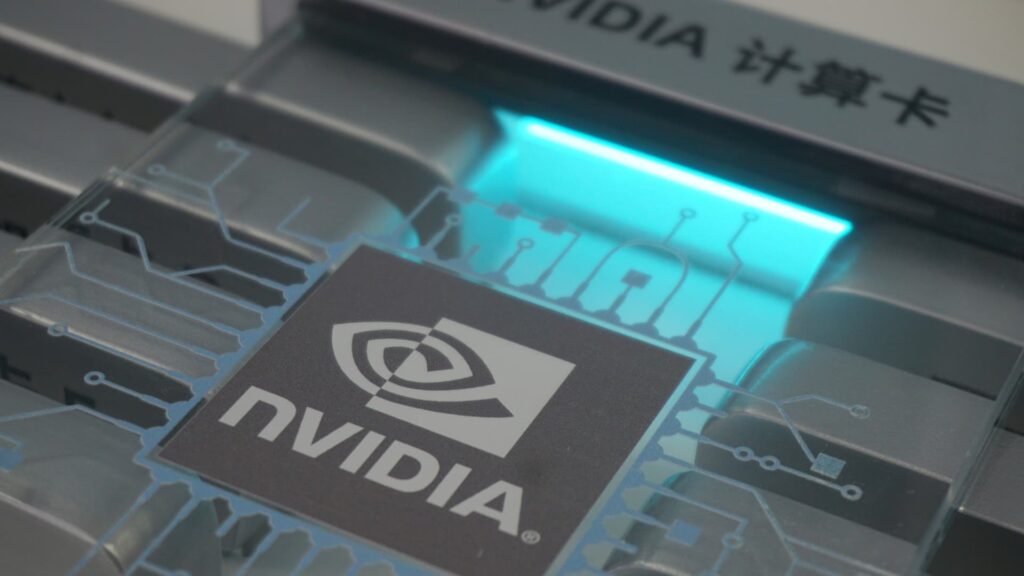
In a notable shift in U.S. policy, former President Donald Trump announced that Nvidia would be allowed to ship its advanced H200 artificial intelligence chip to approved customers in China. This move is poised to enhance China’s AI capabilities, raising concerns among analysts regarding a potential shift in the global technology landscape. Despite a history of restrictions aimed at limiting China’s access to cutting-edge semiconductors, this decision appears to counteract those trends, sparking debates around U.S.-China tech relations.
| Article Subheadings |
|---|
| 1) Analyzing the Implications of Trump’s Decision |
| 2) The Technological Landscape: China’s Advancements |
| 3) U.S.-China Relations: A Changing Dynamic |
| 4) The Future of AI Development in China |
| 5) Key Takeaways from Analysts and Experts |
Analyzing the Implications of Trump’s Decision
The announcement by Trump to allow Nvidia to export its H200 chip to China signifies a significant policy shift. Previously, U.S. authorities had enacted stringent regulations aimed at restricting Chinese access to advanced semiconductor technologies. Analysts believe this could strengthen China’s tech infrastructure, enhancing its ability to compete globally. With the H200 chip, Chinese companies can optimize their AI models better than they could with Nvidia’s H20 chip, a less advanced alternative developed in compliance with previous U.S. restrictions. This decision could offer a competitive edge to Chinese firms like DeepSeek, enabling them to build AI systems that rival their U.S. counterparts.
Rush Doshi, an assistant professor at Georgetown University, articulated concerns regarding this policy shift, suggesting that it might tilt the scales in favor of Chinese technology. By providing advanced computing resources, the U.S. may inadvertently contribute to a landscape where “the world runs on Chinese AI.” The H200 chip represents not just a technological advancement; it’s a substantial step toward easing restrictions that have governed U.S.-China tech relations over the past few years.
The Technological Landscape: China’s Advancements
China’s advancements in artificial intelligence technology have been remarkable, driven largely by a strategic emphasis on reducing reliance on foreign technology. The country’s upcoming five-year plan underscores commitments to nurturing home-grown processing capabilities and AI applications. For instance, Chinese telecom giant Huawei has outlined its ambitions to develop high-performing chips that aim for a leading position in global computing power.
Chris McGuire, a senior fellow for China and emerging technologies at the Council on Foreign Relations, explained that while China may still depend on U.S. chips in the short term, the long-term vision focuses on domestically developed alternatives. However, analysts like McGuire caution that even with the H200 chips, the time frame for achieving self-reliance in chip technology might extend well into the future, suggesting that a superior alternative to Nvidia’s capabilities won’t materialize until late 2027.
U.S.-China Relations: A Changing Dynamic
The dynamics of U.S.-China relations are at a pivotal point following Trump’s decision. Analysts are raising questions about the implications of this policy change for diplomatic relations. By allowing Nvidia to export the H200 chip, the U.S. sends a signal of increasing openness, particularly amid preparations for Trump’s planned visit to China in the coming months. The strategic importance of tech relationships isn’t lost on either side, as both parties recognize that advancements in AI and semiconductor technology will be crucial in shaping the future economic landscape.
The shift, however, has not gone unnoticed. With U.S. national security concerns still at the forefront, fears remain that enhanced AI capabilities in China could lead to a technology gap between the two nations. Tim Fist, director of emerging technology at a think tank, highlighted that this new tech stack for China will likely include Nvidia chips combined with the cloud and AI resources from firms like Tencent and Baidu, enabling a rival set of capabilities that could compete with U.S. companies globally.
The Future of AI Development in China
Looking ahead, the role of AI development in China could transform dramatically with increased access to Nvidia’s advanced processing chips. The H200 chip is expected to empower Chinese developers significantly, allowing them to innovate at a faster pace. This not only enhances their immediate capabilities but could also set off a ripple effect, influencing global AI markets and possibly leading to shifts in where tech innovation occurs.
Furthermore, the potential for improved models means Chinese firms may begin to offer AI solutions that are not only competitive but could also potentially surpass existing offerings in functionality and effectiveness. As the global AI landscape becomes increasingly competitive, how these developments unfold will be closely watched by both governments and companies worldwide.
Key Takeaways from Analysts and Experts
Experts are split on the implications of Trump’s announcement, with concerns about long-term impacts on U.S. strategic advantages. Analysts like Doshi and McGuire emphasize the potential strategic mistake the U.S. is making by allowing China to gain access to advanced AI technologies. McGuire stated, “This move negates the biggest U.S. advantage over China in AI,” labeling it as a “seachange in U.S. policy.”
Despite the optimism around improved U.S.-China relations, many experts warn that the immediate impacts could destabilize the balance that the U.S. has worked hard to maintain. The discussions surrounding technology exports often reflect broader themes of national security, economic competition, and the evolving narrative of geopolitical tension. The topic remains essential as both nations navigate their tech ecosystems moving forward.
| No. | Key Points |
|---|---|
| 1 | Trump’s decision allows Nvidia to export the H200 AI chip to China, marking a shift in U.S. policy. |
| 2 | This policy could enhance China’s tech capabilities and competitiveness in the global market. |
| 3 | China aims for self-reliance in technology, with plans for homegrown chips and AI applications. |
| 4 | Experts have mixed feelings about the long-term implications for U.S.-China relations. |
| 5 | The shift could potentially alter the AI landscape, affecting global technology dynamics. |
Summary
In conclusion, the willingness of the U.S. to allow Nvidia to ship advanced AI chips to China represents a critical juncture in technological and geopolitical relations between the two nations. As China continues to strive for self-sufficiency in technology, the implications of this decision are far-reaching, potentially affecting not only the balance of power in AI development but also broader U.S.-China relations. Analysts express caution, viewing this development as both an opportunity and a significant risk for American technological leadership.
Frequently Asked Questions
Question: What does the H200 chip offer to Chinese companies?
The H200 chip provides enhanced computing power, enabling Chinese developers to improve their AI models significantly, making them more effective than previous models like the H20.
Question: Why has the U.S. sought to limit technology exports to China?
The goal of limiting technology exports has traditionally been to protect national security interests and prevent technological advancements in China from surpassing U.S. capabilities.
Question: What does this shift in U.S. policy signify for future tech relations?
This shift could indicate a potential thawing in U.S.-China relations, suggesting a willingness to collaborate on AI technologies while also raising concerns about competitive imbalances.