
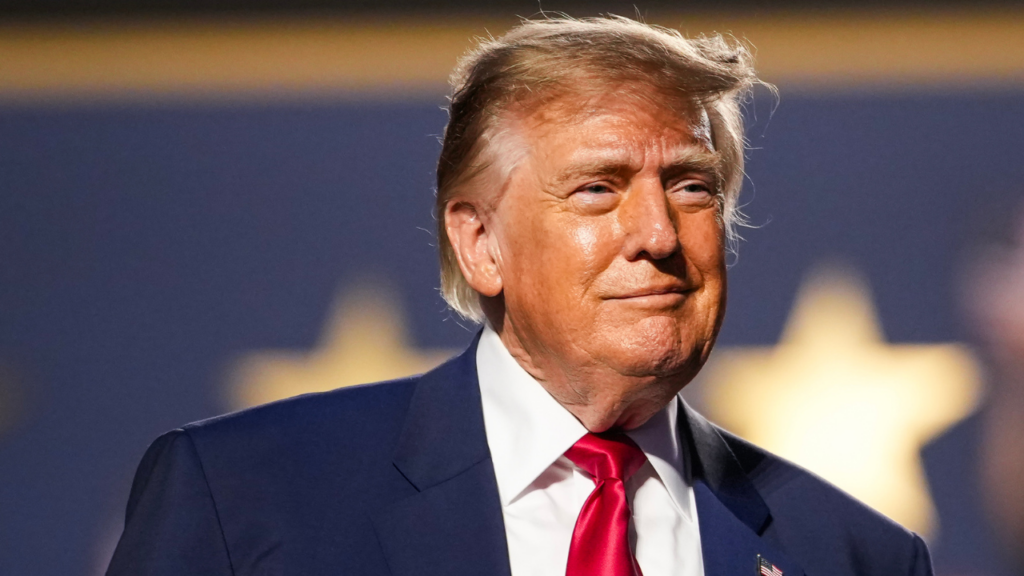
As the nation approaches the midterm elections this fall, political analysts are grappling with the shifting landscape of American politics. The upcoming elections are characterized by uncertainty and evolving dynamics, raising questions about whether traditional political patterns will prevail or be replaced by emerging trends. With President Donald Trump‘s influence still looming large and public sentiment towards the economy and governance notably souring, the stakes have never been higher for both major political parties.
| Article Subheadings |
|---|
| 1) Historical Context of Midterm Elections |
| 2) The Current Political Landscape |
| 3) The Role of Voter Turnout |
| 4) Key Battleground States |
| 5) Assessing the Future of Republican and Democratic Strategies |
Historical Context of Midterm Elections
Midterm elections in the United States often serve as a litmus test of the sitting president’s popularity and the political landscape. Historically, the party in power tends to lose a significant number of seats in Congress during these elections. It is an occurrence that has been remarkably consistent throughout American electoral history, particularly evident in the first midterm of a president. For instance, it is typical for the ruling party to lose between 25 to 30 seats in the House of Representatives during its president’s first midterm election. To illustrate, in the years 2000 and 2016, the sitting presidents faced severe losses, reinforcing this unsettling trend for the incumbents. Significantly, the distinct scenarios of George W. Bush and Donald Trump balancing public discontent and party loyalty highlight the capacity of electoral dynamics to shape political outcomes.
The Current Political Landscape
The current political atmosphere is turbulent, characterized by high inflation, discord over foreign policy, and lingering questions regarding election integrity. In light of rising gas prices and grocery costs, voters are increasingly dissatisfied with the status quo. According to recent polling, Donald Trump‘s approval ratings hover in the low to mid-40s, an alarming indication for the Republican Party as they strategize for the upcoming elections. Given this backdrop, many Republicans are cautious about openly aligning themselves with the former president, particularly in competitive districts where voter sentiment may sway decisively against them. The impacts of economic dissatisfaction may also hint at potential advantages for Democratic candidates as midterm elections often resonate as referendums on the party that occupies the White House.
The Role of Voter Turnout
Voter turnout has historically been a critical factor influencing election outcomes, especially during midterms. The participation of voters can decisively tip the scales in favor of one party or another. In previous elections, like the midterms of 2018 and 2020, turnout was notably high, with record numbers of registered voters participating. For instance, in the 2020 election, turnout was approximately 66.4%, reflecting a strong public engagement influenced by critical national issues. However, considering the unpopularity of President Trump among certain voter demographics, it remains uncertain how his presence on the ballot will affect turnout this year. On one hand, he could galvanize his supporters to vote; conversely, his contentious standing could deter some voters, particularly independents who may contribute significantly to House races.
Key Battleground States
As political parties gear up for the elections, certain states have emerged as focal points in predicting the outcomes. States such as Iowa and Ohio are becoming crucial battlegrounds where both Democrats and Republicans are focusing their efforts. In Iowa, the political landscape is particularly intriguing, with several Republican seats deemed vulnerable due to newly drawn districts and prevailing sentiments leaning towards change. Democratic successes could hinge on their ability to mobilize voter dissatisfaction and capitalize on Republican vulnerabilities. Similarly, Ohio’s competitive landscape features a mix of gubernatorial and congressional races that could also sway outcomes based on regional voter sentiment and national trends. The ability of either party to navigate these complex state dynamics could very well shape the congressional balance of power for years to come.
Assessing the Future of Republican and Democratic Strategies
Looking ahead, both Republican and Democratic strategies will play critical roles in determining the effectiveness of their campaigns. For the Republicans, the challenge lies in reconciling their party’s identity with the polarizing influence of Trump. Strategies may involve balancing between appealing to his base while attempting to attract moderates and independents. Meanwhile, Democrats need to capitalize on voter frustrations related to economic conditions and ensure their messaging resonates with a broad spectrum of voters dissatisfied with the current administration. Ultimately, the strategy adopted by either party in conveying their platforms will likely dictate their success or failure this election season.
| No. | Key Points |
|---|---|
| 1 | Midterm elections typically see the president’s party lose seats in Congress. |
| 2 | Rising economic issues are heightening voter dissatisfaction with the current administration. |
| 3 | Voter turnout will significantly impact the outcomes of the midterms, especially among independents. |
| 4 | Key battleground states like Iowa and Ohio are critical for both parties. |
| 5 | Republicans and Democrats will have to adapt their strategies based on changing voter sentiments. |
Summary
With the midterm elections approaching, the political climate remains fraught with uncertainty and the potential for significant shifts in congressional power. Economic discontent and the lingering shadow of former President Donald Trump are dominating narratives. Both parties face unique challenges as they prepare to navigate the difficult terrain ahead, with the outcome hanging in the balance based on voter turnout and strategic planning. The impact of these elections will reverberate through American politics, potentially reshaping the future of governance in the United States.
Frequently Asked Questions
Question: Why are midterm elections important?
Midterm elections serve as a critical referendum on the current administration’s performance and can drastically alter the political landscape, affecting legislative priorities and governance.
Question: How does voter turnout affect election results?
Higher voter turnout generally benefits the party that is perceived as the underdog or the one that is actively working to mobilize its base, thus impacting the overall election outcomes.
Question: What factors most influence voter sentiment in midterms?
Economic conditions, personal liberties, foreign policy, and prominent national issues often shape voter sentiment. Public perception of the incumbent party’s performance in these areas significantly influences voting behavior.