
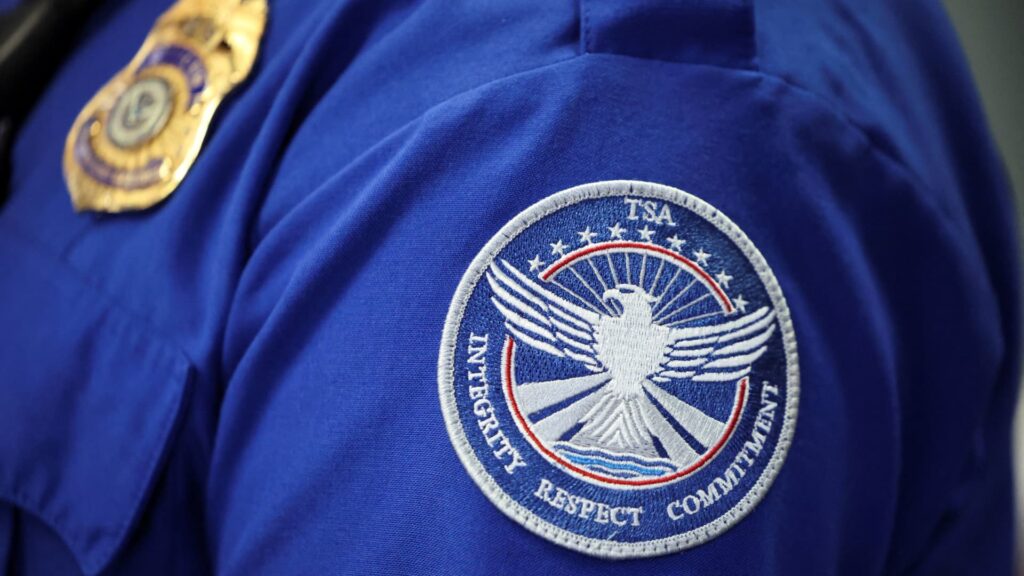
The Transportation Security Administration (TSA) is reportedly facilitating a controversial deportation program by sharing the names of airline travelers with U.S. immigration officials. This initiative, under the Biden administration’s policies, has drawn criticism and concern among civil rights advocates regarding its implications for privacy and personal security. Recent incidents, including the arrest of a college student at an airport, highlight the potential consequences of this practice.
| Article Subheadings |
|---|
| 1) Overview of TSA’s Role in Deportation |
| 2) Controversies Surrounding Information Sharing |
| 3) Case Study: The Arrest of Any Lucía López Belloza |
| 4) Reactions from Officials and Advocacy Groups |
| 5) The Future of TSA and Immigration Enforcement |
Overview of TSA’s Role in Deportation
The Transportation Security Administration (TSA) has become a critical component of the U.S. government’s broader immigration enforcement efforts in recent years. Under the recent policy changes, TSA has been providing U.S. Immigration and Customs Enforcement (ICE) with the names of travelers expected to pass through various airports. This data exchange enables ICE agents to identify individuals who may be subject to deportation before they are even stopped at security checkpoints.
This collaboration has raised concerns regarding privacy rights and the implications of turning TSA personnel into enforcers of immigration laws. Previously, critics argued that aviation safety and passenger privacy should take precedence over enforcement actions. Nevertheless, officials from the Department of Homeland Security have emphasized the necessity of such measures to uphold national security and immigration laws.
Controversies Surrounding Information Sharing
The policy of information sharing between TSA and ICE is not without its detractors. Many civil rights groups have criticized this initiative, asserting that it disproportionately targets vulnerable communities and hinders the rights of lawful travelers. These groups argue that innocent individuals may face undue scrutiny based solely on their flight itineraries or national origin.
Additionally, the public has expressed concern over the lack of transparency and accountability associated with this program. While a spokesperson for the Department of Homeland Security claimed, “This is nothing new,” civil liberties advocates contend that such practices perpetuate a culture of fear among immigrant populations. The implications of being flagged during travel extend beyond mere inconvenience, possibly leading to detention or deportation.
Case Study: The Arrest of Any Lucía López Belloza
A notable instance of the consequences arising from TSA’s data-sharing initiative occurred on November 20, when college student Any Lucía López Belloza was arrested at Boston’s Logan Airport. She was on her way to Texas for Thanksgiving when she was detained by ICE agents. The incident drew significant media attention not just due to her arrest but also because of the unanticipated nature of the deportation process for someone who had lived in the U.S. since the age of 7.
According to reports, López and her family were unaware that she was subject to a deportation order. This case illustrates the harsh realities faced by individuals navigating the complex landscape of U.S. immigration policies and the ramifications of TSA’s collaboration with ICE.
Reactions from Officials and Advocacy Groups
Following the reports of López’s arrest, various officials and advocacy groups have voiced their opinions on the evolving role of TSA in immigration enforcement. Some officials argued that the measures taken are necessary to ensure that individuals who do not have legal status in the country cannot freely travel through the aviation system.
Conversely, advocates for immigrant rights have condemned these actions as a violation of civil liberties that contributes to systemic injustice. They argue for policies that foster inclusion and protection rather than surveillance and suspicion. This divergence of views underscores the complexity of addressing immigration issues in a nation that prides itself on being a land of opportunity.
The Future of TSA and Immigration Enforcement
As the TSA continues its current practices, the future of the agency’s involvement in immigration enforcement remains uncertain. Questions linger over whether these measures will persist under changing administrations or if they will give way to reforms aimed at protecting the rights of travelers. Future changes may emerge from growing public outcry over the treatment of individuals like López.
With expanded scrutiny over immigration policies, there is a possibility that Congress will take action to clarify the roles that agencies like TSA and ICE should play in enforcement efforts. The dialogue about the intersection of immigration and aviation security is likely to continue, drawing in lawmakers, aviation representatives, and civil rights advocates alike.
| No. | Key Points |
|---|---|
| 1 | TSA shares traveler names with ICE as part of immigration enforcement initiatives. |
| 2 | The practice has raised civil liberties concerns and criticisms from advocacy groups. |
| 3 | The arrest of Any Lucía López Belloza highlights the potential dangers of current policies. |
| 4 | Responses from officials reflect conflicting views on the necessity of TSA’s role in enforcement. |
| 5 | The future of TSA’s involvement in immigration enforcement remains uncertain in an evolving political climate. |
Summary
The integration of TSA into immigration enforcement marks a significant shift in U.S. policy, raising critical questions about civil rights and the role of government in regulating travel. As individual cases like that of Any Lucía López Belloza come to light, the ramifications of these policies become more evident. The ongoing dialogue among officials, advocacy groups, and the community will be essential in shaping the future of immigration enforcement, ultimately determining the balance between national security and the protection of individual freedoms.
Frequently Asked Questions
Question: What is the role of TSA in immigration enforcement?
The TSA assists in immigration enforcement by providing the names of airline travelers to ICE, allowing agents to identify and detain individuals who may be subject to deportation.
Question: What sparked criticism regarding TSA’s information-sharing policy?
Critics argue that the policy undermines civil liberties and places undue scrutiny on innocent travelers, particularly those from immigrant communities.
Question: Who is Any Lucía López Belloza, and why was her case significant?
Any Lucía López Belloza is a college student whose arrest at an airport exemplifies the potential consequences of TSA’s collaboration with ICE, as she was in the U.S. since the age of 7 and unaware of her deportation status.