
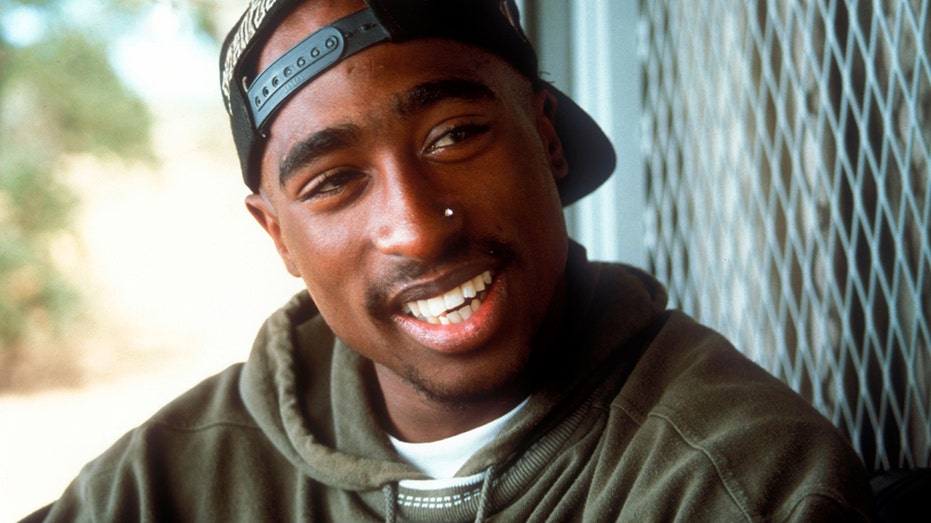
Opening statements began August 17, 2026, in the murder trial of Duane “Keffe D” Davis, nearly three decades after Tupac Shakur was fatally shot in Las Vegas. Prosecutors allege Davis helped prepare a drive-by attack aimed at Shakur and Marion “Suge” Knight, who survived. Davis, now 63, is not accused of firing the weapon, but prosecutors say he was inside a white Cadillac with three other men during the shooting.
The case centers on statements Davis made during interviews with investigators, a television documentary and a 2019 book. His defense says those accounts were exaggerated or fictionalized and challenges how police investigated them.
| 1) | Trial opens in Las Vegas |
| 2) | Prosecutors outline the alleged attack |
| 3) | Davis’s public statements become central evidence |
| 4) | Defense questions the investigation |
| 5) | Witnesses and the long-delayed prosecution |
Trial opens in Las Vegas
The trial is taking place in Clark County District Court in Las Vegas after prosecutors charged Davis in connection with Shakur’s September 7, 1996, killing. Opening statements concluded on August 17, with the prosecution presenting its theory of Davis’s role and the defense urging jurors to separate verified facts from Davis’s claims.
Shakur was 25 when he was shot four times while riding in a BMW with Knight on the Las Vegas Strip. He died six days later from his injuries. The shooting shocked the music world and remained unresolved for years before Davis became the defendant in the case.
Prosecutors outline the alleged attack
Chief Deputy District Attorney Binu Palal told jurors that Davis was a leader of a Compton-based branch of the Crips and was present in the white Cadillac used during the attack. Prosecutors allege the shooting followed a fight earlier that night at the MGM Grand involving Shakur, Knight and others and Orlando “Baby Lane” Anderson, Davis’s nephew and a member of the South Side Compton Crips.
According to the prosecution, Davis ensured that the alleged shooters were armed and prepared to retaliate. The three other men prosecutors believe were in the Cadillac, Anderson, Deandrae “Freaky” Smith and Terry “Bubble Up” Brown, have since died.
“Duane Davis made sure that the shooters were armed and ready to execute their revenge,” Palal told jurors.
Davis’s public statements become central evidence
Prosecutors played excerpts from interviews in which Davis discussed the shooting. They also pointed to a 2008 interview with detectives and Davis’s 2019 book, “Compton Street Legend,” which describes his alleged involvement in events surrounding Shakur’s death.
Davis was a confidential informant for the Los Angeles Police Department during the 2008 interview. The judge ruled that his remarks could be used at trial, including statements connected to the book. Palal also alleged that Davis was present at a Los Angeles party attended by Christopher Wallace, known as the Notorious B.I.G., on the night Wallace was killed six months after Shakur. Davis shook his head when that allegation was raised in court.
Defense questions the investigation
Defense attorney Michael Sanft argued that Davis turned his account into fiction and that investigators failed to properly test the claims in his book. Sanft said police did not interview another alleged eyewitness identified by Davis before that person died.
The defense also challenged the credibility of former Los Angeles police detective Greg Kading, who is listed as a potential prosecution witness. Sanft accused Kading of taking police case files involving the Shakur and Wallace killings. He also emphasized that Davis was not charged until many years after his interviews and book were made public.
“What they are telling you, they’re representing it to be a fact when it really is fiction. And it’s up to you to determine what the facts are in this case,” Sanft said.
Witnesses and the long-delayed prosecution
The prosecution’s witness list includes Knight, who survived the 1996 shooting and is serving a 28-year California prison sentence after pleading no contest to voluntary manslaughter in 2018 in an unrelated case. Knight has said in recent interviews that he does not intend to cooperate if called to testify.
The prosecution comes after years of interviews, public statements and renewed attention to the case. The deaths of the three other men believed to have been in the Cadillac leave Davis as the only defendant facing trial for the shooting. Jurors will determine whether the evidence proves that his alleged participation made him criminally responsible for Shakur’s death.
| No. | Key Point |
|---|---|
| 1 | Davis faces trial in Las Vegas over the 1996 killing of Tupac Shakur. |
| 2 | Prosecutors say Davis was in a white Cadillac with three alleged participants. |
| 3 | The case relies partly on Davis’s interviews and 2019 book. |
| 4 | The defense argues that Davis’s account was fictionalized and poorly investigated. |
Summary
The trial places Davis’s long-public accounts of the Las Vegas shooting before a jury for the first time. Prosecutors portray him as an organizer who helped enable the attack, while the defense disputes the reliability of his statements and the police work behind them. The proceedings will determine whether the evidence establishes Davis’s legal responsibility for Shakur’s death.
Frequently Asked Questions
Who is Duane “Keffe D” Davis?
Davis is the defendant charged in connection with Tupac Shakur’s 1996 murder. Prosecutors say he was in the vehicle used in the drive-by shooting but do not accuse him of pulling the trigger.
When and where was Tupac Shakur killed?
Shakur was shot on September 7, 1996, while riding in a BMW with Marion “Suge” Knight on the Las Vegas Strip. He died six days later from his injuries.
What evidence is prosecutors expected to use?
Prosecutors are relying in part on interviews Davis gave investigators and statements published in his 2019 book, along with testimony and other evidence presented during the trial.