
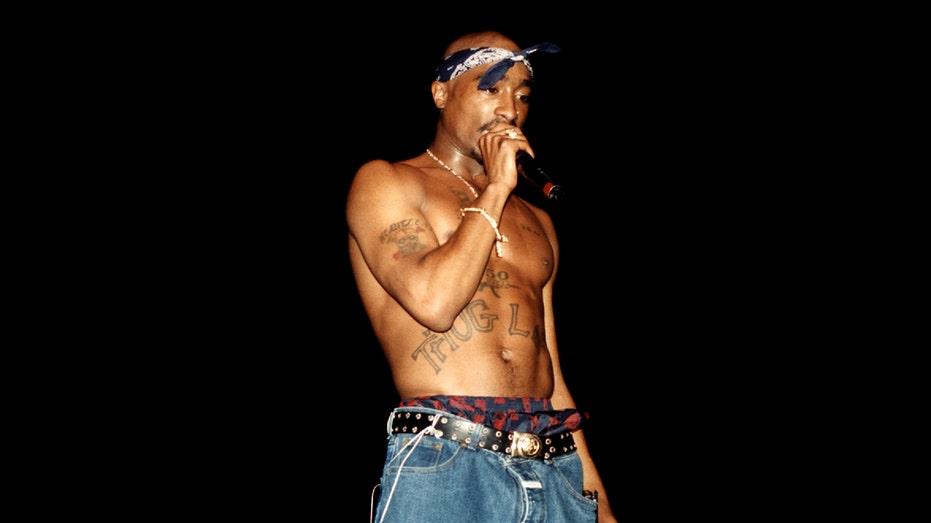
Duane “Keffe D” Davis is scheduled to go on trial Monday, nearly 30 years after rapper Tupac Shakur was fatally shot in Las Vegas. Davis, 63, faces a murder charge and has pleaded not guilty. Prosecutors allege he helped organize the attack and supplied the gun, but they do not accuse him of firing the fatal shots. The trial is expected to last about four weeks and could become the first courtroom examination of the only killing suspect ever charged in the case.
| Article Subheadings | |
|---|---|
| 1) | The case reaches trial after decades of investigation |
| 2) | What prosecutors allege about the shooting |
| 3) | Davis’s statements and the defense strategy |
| 4) | The disputed identities of the shooters |
| 5) | Why the trial has lasting cultural significance |
The case reaches trial after decades of investigation
The trial concerns the Sept. 7, 1996, shooting of Tupac Shakur near the Las Vegas Strip. Shakur was riding in a BMW driven by Death Row Records founder Marion “Suge” Knight when a white Cadillac pulled alongside the vehicle and gunfire erupted. Shakur died six days later at age 25.
Davis is the only person ever charged in the killing and the only surviving member of the group prosecutors say was involved. He is scheduled to appear in Nevada court after years in which investigators publicly focused on possible suspects but made no arrest. The proceedings are expected to run for approximately four weeks.
What prosecutors allege about the shooting
Prosecutors say the events began hours earlier with a fight at the MGM Grand involving Shakur, Knight and others. The alleged opposing participant was Orlando “Baby Lane” Anderson, Davis’s nephew and a member of the South Side Compton Crips.
According to the prosecution account, Davis, Anderson, Deandrae “Freaky” Smith and Terry “Bubble Up” Brown later traveled in a white Cadillac. The vehicle allegedly moved alongside Shakur’s BMW before shots were fired. Prosecutors contend that Davis helped plan the attack, directed the group and provided the weapon used. No murder weapon was recovered.
Davis’s statements and the defense strategy
Duane “Keffe D” Davis has acknowledged that he was in the Cadillac. He also discussed the killing in interviews and in his 2019 memoir, “Compton Street Legend.” Prosecutors intend to use those accounts to support their argument that he played an organizing role in the attack.
Davis’s attorneys dispute that interpretation. They have argued that some of his public comments were exaggerated and have challenged the use of statements from a 2008 police interview. A Nevada judge ruled that the interview and portions of the memoir may be introduced at trial.
“Think of it this way: Shakur’s murder was essentially the entertainment world’s JFK assassination, endlessly dissected, mythologized, monetized, so it’s not hard to see why someone in Davis’s position might falsely place himself at the center of it all for personal gain,” Davis’s attorneys said in a petition.
The Nevada Supreme Court denied the defense effort to dismiss the charges in November.
The disputed identities of the shooters
Authorities long suspected Orlando “Baby Lane” Anderson of being the gunman, but he was never charged in Shakur’s death. Evidence discussed in the case has also raised the possibility that Deandrae “Freaky” Smith fired the shots.
The differing accounts are central to the trial because Davis is not accused of pulling the trigger. The prosecution must instead establish that he knowingly participated in planning the shooting or supplied the weapon, while the defense is expected to question the reliability and meaning of statements attributed to him. Davis is the only surviving person among the four men prosecutors identify as being in the Cadillac that night.
Why the trial has lasting cultural significance
Tupac Shakur remains one of hip-hop’s most influential artists. Born in New York and raised in Baltimore and Oakland, he later identified Los Angeles as his home. His career included more than 75 million records sold worldwide and songs such as “California Love,” “Changes” and “Dear Mama.”
Shakur’s death, followed six months later by the killing of his East Coast rap rival Biggie, became one of the most closely examined episodes in music history. The long delay before a trial has contributed to extensive public speculation. The court proceedings will now test whether prosecutors can convert Davis’s alleged statements and the surviving evidence into proof beyond a reasonable doubt.
| Number | Key Point |
|---|---|
| 1 | Davis is the only person charged in Shakur’s killing. |
| 2 | Prosecutors say Davis helped plan the attack and provided the gun. |
| 3 | Davis has pleaded not guilty and disputes the use of his statements. |
| 4 | The trial is expected to last about four weeks. |
| 5 | The case will address a killing that shaped hip-hop history and public debate for decades. |
Summary
The trial of Duane “Keffe D” Davis marks a major legal development in the investigation into Tupac Shakur’s 1996 killing. Prosecutors will argue that Davis organized the alleged attack and supplied the weapon, while the defense will challenge the credibility and admissibility of statements that place him at the center of the case. The outcome will determine whether the sole charged suspect can be held legally responsible nearly three decades after the shooting.
Frequently Asked Questions
Who is on trial in the Tupac Shakur murder case?
Duane “Keffe D” Davis, 63, is on trial. He is the only person ever charged in connection with Tupac Shakur’s killing.
What role do prosecutors say Davis played?
Prosecutors allege that Davis helped plan the drive-by shooting and provided the gun. They do not accuse him of firing the fatal shots.
What evidence is expected to be disputed?
The defense has challenged statements from a 2008 police interview and portions of Davis’s memoir, arguing that some of his public claims were exaggerated. A Nevada judge has ruled that the interview and selected memoir material may be used.
How long is the trial expected to last?
The trial is expected to last approximately four weeks.