
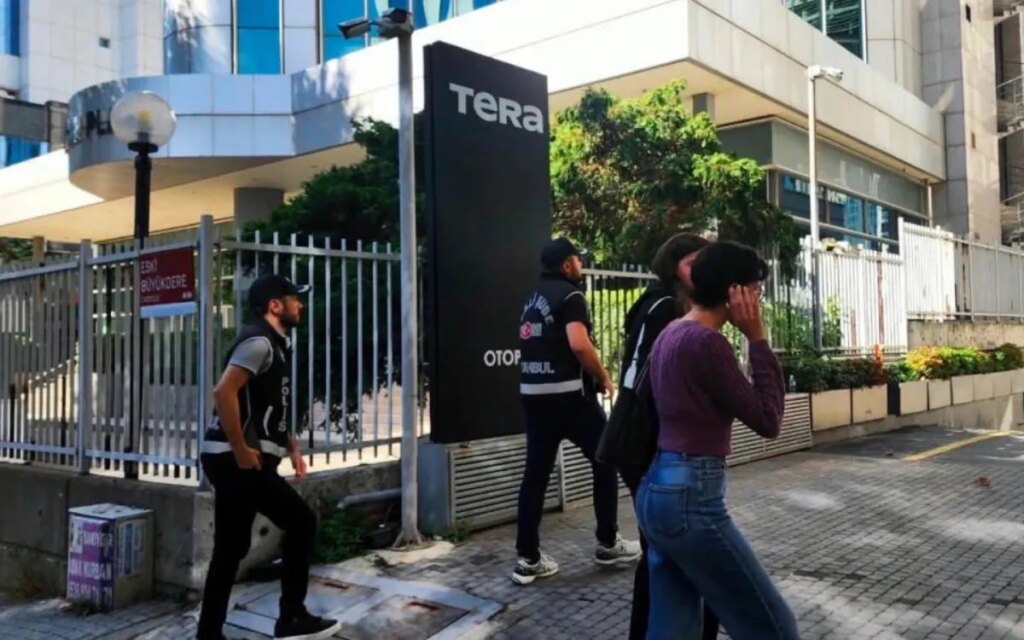
Turkey is grappling with a financial scandal dubbed the “fund crisis” that has led to significant turmoil in its stock market, affecting over 500,000 investors. The crisis is rooted in manipulations by certain portfolio management companies that artificially inflated the value of their funds, culminating in trading interruptions imposed by the Capital Markets Board (SPK). Following the problematic maneuvers, the SPK has initiated the liquidation of 131 funds, but the timeline and recovery amounts for investors remain uncertain. This article takes a closer look at the various dimensions of this crisis through ten key questions and their answers, exploring its impact on the financial landscape in Turkey.
| Article Subheadings |
|---|
| 1) Funds defaulted, stock market triggered circuit breakers |
| 2) The secret behind the 4,000% return |
| 3) SPK introduced new regulations, spark legal exit |
| 4) Artificial price movements are a crime |
| 5) Debated for the last two years |
Funds defaulted, stock market triggered circuit breakers
The crisis originated from specific funds that started purchasing shares in companies with low market values, primarily attempting to inflate their prices artificially. This began when the funds faced difficulties in generating adequate cash to meet investors’ requests for withdrawals. The first notable incident occurred with Pusula Portföy, which defaulted on fulfilling withdrawal requests. This event led to widespread fears of a sell-off, resulting in the stock market’s BIST 100 index triggering circuit breakers on September 16, sending many stocks plummeting to their lowest prices.
On September 17, the SPK intervened decisively, halting trading on TEFAS for funds managed by seven portfolio management companies. The SPK ordered the liquidation of 131 of these funds to address the turmoil. Significant institutions like İş Bankası and Ziraat Bankası were appointed to handle the liquidation process over an initial period of three months, which was later extended to six months due to the complex nature of the financial situation and market conditions.
The secret behind the 4,000% return
Despite the overall market returns averaging between 19.70% and 27%, certain funds reported remarkable returns that seemed disconnected from the market realities. For instance, the Tera Portföy First Hedge Fund boasted a staggering return of 4,233% in 2025, a stark contrast to the BIST 100’s return of just 14.6%. This discrepancy raised eyebrows and prompted investigations into the practices employed by these funds.
To understand how this occurred, it’s essential to recognize the underlying mechanisms of these funds’ operations. They engaged in aggressive purchases of low-float shares, causing the fund’s reported return and value to rise, which in turn attracted more investors. Consequently, new money flowed into these funds, perpetuating a cycle of inflationary returns. For example, Pusula Portföy’s acquisition of Gündoğdu Gıda (GUNDG) shares led to a drastic increase in share prices, illustrating the manipulation that fueled unsustainable growth in fund values.
SPK introduced new regulations, spark legal exit
The SPK’s comprehensive Fund Guide, unveiled on August 28, marked a critical moment in the regulatory landscape. This new framework imposed stricter regulations on related-party transactions and fund concentration. Under the new guidelines, hedge funds are limited to holding a maximum of 8% of a company’s circulating shares if the free float rate is below 25%. These measures aimed to curb the kind of manipulative practices seen in the widespread crisis.
However, the changes came too late for some funds and investors. The previous practices had created an environment where portfolios heavily invested in illiquid shares found themselves unable to meet investor cash demands, which triggered a broader sell-off in the market. The collapse and liquidation of these funds exemplify the need for timely and effective regulatory interventions in the financial sector.
Artificial price movements are a crime
At the center of this crisis are allegations of manipulative trading practices, which are classified as illegal under Article 107 of the Capital Markets Law. Funds reportedly inflated stock prices by amassing substantial positions in low-float stocks, subsequently allowing their reported returns to rise artificially. The SPK stressed that, starting from the final quarter of 2025, movements in certain funds’ holdings had led to inexplicable price surges, deviating from the economic fundamentals of the respective companies.
The SPK explicitly defined one of the objectives of the newly enacted regulation as limiting opportunities for market manipulation through fund activities. This proactive approach is essential in restoring investor confidence in Turkey’s capital markets.
Debated for the last two years
Delays in implementing regulatory measures raised questions among market observers as to why the SPK did not act sooner. In November 2025, Mehmet Şimşek, the Treasury and Finance Minister, acknowledged manipulation through certain funds, highlighting a lack of regulation at the time. Following this acknowledgment, unusual trading patterns came under scrutiny in December 2025, leading to the establishment of a working group within the SPK to evaluate the situation.
Despite these discussions, substantial regulatory changes did not materialize until many months later, leading to frustration among investors and analysts alike. Calls for action had been prevalent well before these events escalated, with financial experts and journalists voicing concerns about appear to be unchecked manipulative practices that could threaten the integrity of Turkey’s financial markets.
Key Points
| No. | Key Points |
|---|---|
| 1 | The “fund crisis” led to the collapse of multiple portfolio management companies and heavy investor losses. |
| 2 | The SPK has initiated the liquidation of 131 funds amidst allegations of market manipulation. |
| 3 | The crisis revealed drastic discrepancies in fund returns, highlighting potential fraudulent activities. |
| 4 | New regulations aim to curb manipulative practices but came after significant market damage. |
| 5 | Ongoing judicial investigations target individuals involved in the manipulation of funds. |
Summary
The current fund crisis in Turkey unveils significant vulnerabilities within the country’s financial regulatory framework, exposing the necessity for timely and stringent oversight. The ongoing investigations and regulatory changes reflect a commitment to restoring the integrity of the financial system and protecting investors. As Turkey approaches an era of heightened scrutiny and potential reform, the lessons from this crisis will shape the country’s financial landscape in the years to come.
Frequently Asked Questions
Question: What caused the fund crisis in Turkey?
The fund crisis stemmed from certain portfolio management companies manipulating stock prices by aggressively purchasing shares in low-value companies, ultimately leading to liquidity issues and significant investor losses.
Question: How is the SPK addressing the crisis?
The SPK has intervened by liquidating 131 funds implicated in the crisis and introduced new regulations aimed at preventing similar manipulative practices in the future.
Question: Will investors receive their money back?
Investors may not receive the original amounts invested. The distribution of liquidated cash will vary based on the market value of the respective assets at the time of sale, which could result in losses for investors.