
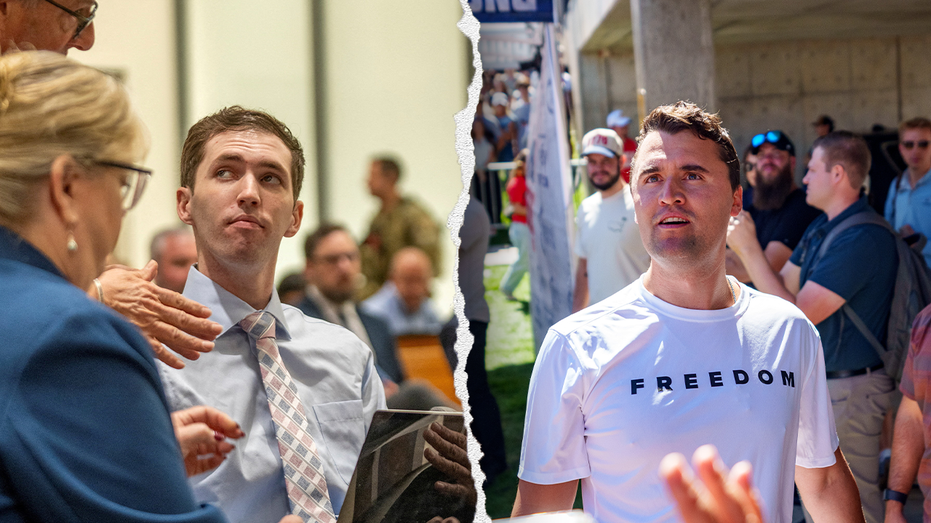
A Utah judge is expected to rule Tuesday on whether prosecutors have shown enough probable cause to send Tyler Robinson to trial in the fatal shooting of Charlie Kirk. The decision could determine whether the aggravated murder charge, which carries a potential death sentence, remains in the case. Robinson may also enter a plea for the first time, nearly a year after the shooting at Utah Valley University.
The preliminary hearing took place over a week in July, followed by written arguments from both sides. The defense has challenged the aggravating factor that makes the charge death-eligible, while prosecutors argue that firing into a crowded area created a substantial risk to others.
| 1) | Judge’s probable-cause decision |
| 2) | Why the death penalty remains at issue |
| 3) | Possible arraignment and plea |
| 4) | Evidence cited by prosecutors |
| 5) | Further litigation expected |
Judge’s probable-cause decision
The hearing is scheduled in Provo, Utah, before Fourth District Court Judge Tony Graf Jr. The court must decide whether the evidence presented during the July preliminary hearing supports binding Robinson’s case over for trial. The hearing does not determine guilt or innocence. Instead, prosecutors face the lower probable-cause standard, under which evidence is generally viewed in the light most favorable to the state.
The defense has argued that prosecutors have not established a sufficient basis for aggravated murder. However, criminal defense attorney Skye Lazaro, who is not involved in the case, said she expects the charges to proceed at this stage.
“It’s probable cause, and everything is taken in a light most favorable to the state,” Lazaro said.
Why the death penalty remains at issue
Robinson, 23, of Washington, Utah, is accused of shooting Kirk, 31, during a Turning Point USA event at Utah Valley University in Orem on September 10, 2025. Prosecutors are relying on an aggravating factor alleging that the shooting placed other people at great risk of death, making the aggravated murder charge eligible for a potential death sentence.
The defense has emphasized that only one shot was fired from an elevated position and that the bullet traveled over the crowd before striking Kirk. Prosecutors have countered that shooting in a crowded setting was inherently dangerous, regardless of where the bullet ultimately landed.
Former FBI agent and SWAT sniper Greg Rogers, who teaches at Utah Valley University, said the alleged circumstances could be enough to preserve the aggravating factor while the case remains at the preliminary stage.
Possible arraignment and plea
A court spokeswoman said Judge Graf may decide whether to hold an arraignment after ruling on probable cause. If the arraignment occurs, it would be the first time Robinson has been formally asked to enter a plea since the case began.
Lazaro said the defense would likely enter not-guilty pleas and continue toward trial. She added that a different plea would probably require an agreement removing the death penalty from consideration. Because prosecutors have continued to seek the death penalty, she said, such an agreement does not appear likely at this point.
The case concerns the alleged killing of Kirk, a father of two, at an event attended by approximately 3,000 people. Robinson’s family, defense team and prosecutors are expected to remain involved in additional court proceedings even if the case is bound over.
Evidence cited by prosecutors
Prosecutors have presented surveillance video, ballistic evidence, witness statements and an alleged handwritten confession. They also identified a .30-06 Mauser rifle recovered near the university as the suspected murder weapon. Court filings state that the rifle allegedly belonged to Robinson’s grandfather and contained Robinson’s DNA.
The state has further alleged that Robinson confessed to several people, including his roommate and reported romantic partner, Lance Twiggs. One message attributed to Robinson said, “I had the opportunity to take out Charlie Kirk, and I took it.” These allegations remain part of the prosecution’s case and have not been tested at trial.
Prosecutors also cited Robinson’s performance during practice shooting, alleging that he seldom hit the bullseye and sometimes missed the target entirely. They argue that the alleged inaccuracy increased the danger to people in the area.
Further litigation expected
A decision sending the case to trial would not resolve the central legal disputes. Lazaro expects further litigation involving expert-witness designations, forensic testimony and analysis of the ballistics evidence. The defense is also expected to continue challenging the aggravating factor and other elements of the prosecution’s theory.
The next phase could therefore involve extensive pretrial motions, technical evidence and testimony about the rifle, the shooting scene and the alleged statements. The court’s ruling will establish whether those issues proceed toward a trial with the death penalty still available.
| Number | Key Point |
|---|---|
| 1 | The judge is expected to decide whether the case has enough probable cause to proceed. |
| 2 | The alleged danger to a crowded audience is central to the death-penalty aggravating factor. |
| 3 | Robinson may enter a plea for the first time if an arraignment is held. |
| 4 | Prosecutors cite ballistic, digital, video and witness evidence in support of the charges. |
Summary
Tuesday’s ruling could move the case against Robinson toward trial and determine whether prosecutors may continue seeking the death penalty. A possible arraignment could also produce his first formal plea. Regardless of the decision, the defense and prosecution are expected to continue litigating the evidence, aggravating factor and expert testimony.
Frequently Asked Questions
What is the judge deciding?
Judge Graf is deciding whether prosecutors presented enough probable cause to bind Robinson’s case over for trial, including the aggravated murder charge.
Why could the death penalty remain available?
Prosecutors allege that the shooting placed other people at great risk of death because it occurred in a crowded setting.
Could Robinson enter a plea?
Yes. The court may hold an arraignment after the probable-cause ruling, which would give Robinson his first opportunity to enter a formal plea.