
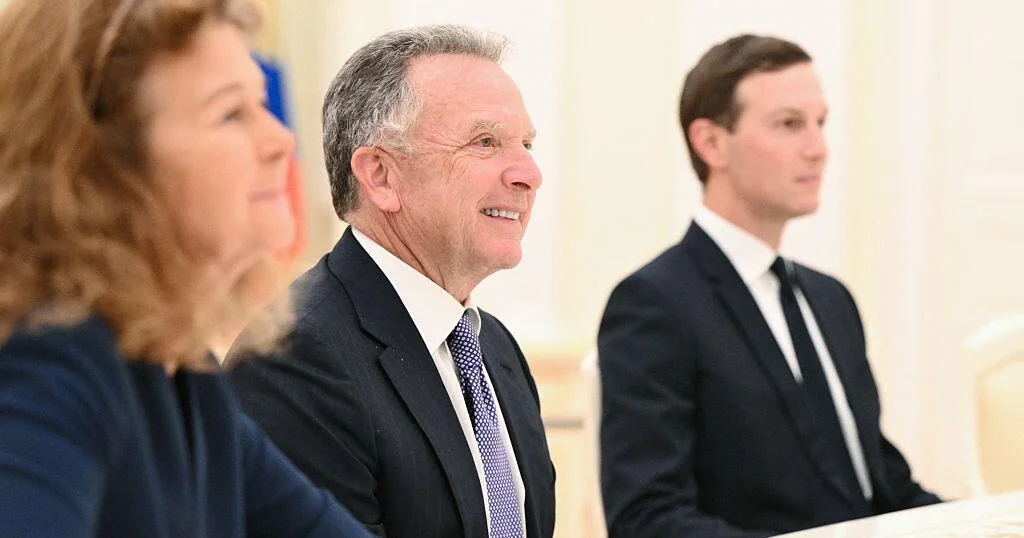
In a significant diplomatic effort, presidential advisers and Ukrainian officials have engaged in an ongoing dialogue, meeting for a third consecutive day to devise a security framework for a postwar Ukraine. The discussions, which have taken place in Florida, aim to push Russia towards a commitment to peace. Recent statements highlight the progress made, emphasizing that any meaningful agreement hinges on Russia’s willingness to pursue long-term peace and cease hostilities.
| Article Subheadings |
|---|
| 1) Overview of Ongoing Talks |
| 2) Key Players in the Negotiations |
| 3) Reactions from Russian Officials |
| 4) The Role of U.S. Diplomacy in the Talks |
| 5) Future Prospects for Ukraine |
Overview of Ongoing Talks
As of Friday, Ukrainian officials and representatives from the U.S. have made notable strides in creating a framework for future relations between Ukraine and Russia. These discussions mark a pivotal moment in efforts to broker a long-lasting peace, especially considering the nearly four-year conflict that has claimed numerous lives and displaced millions. The latest joint statement emerging from the talks underscores a mutual understanding that progress depends heavily on Russia’s willingness to demonstrate commitment, notably through de-escalation of military actions and a cessation of hostilities.
The ongoing talks come after several months of intensified discussions that have garnered international attention. The parties involved are acutely aware that any agreement will require careful negotiations and compromises, especially around contentious issues such as territorial disputes and the future of the Donetsk region, where the fighting has been particularly fierce.
Key Players in the Negotiations
Central to the ongoing negotiations are several key figures. U.S. Special Envoy Steve Witkoff and Jared Kushner, the son-in-law of former President Donald Trump, have become instrumental in facilitating discussions between Ukrainian representatives, including lead negotiator Rustem Umerov. These discussions also follow previous meetings held between President Vladimir Putin and U.S. envoys at the Kremlin, which were described by Russian officials as “constructive and substantive.”
The involvement of high-ranking officials underscores the complexity of the situation. Everybody is aware that in addition to facilitating dialogue, building rapport with various stakeholders remains essential. Both the U.S. and Ukraine have set clear objectives, but the path to achieving these goals is fraught with challenges, particularly given differing views on critical issues.
Reactions from Russian Officials
After the initial discussions in Florida, Russian officials expressed their cautious optimism, though highlighted the stark reality of the situation. Yuri Ushakov, an aide to President Putin, stated that while they found the talks “constructive,” significant gaps remain. He remarked, “A compromise option has not yet been found, but some American developments look more or less acceptable.” This nuanced perspective suggests a willingness to engage yet underscores the complexities involved. The Russians were presented with additional proposals, but specific details about these proposals were not disclosed, raising questions about their potential implications.
Moreover, Ushakov pointed out that despite ongoing negotiations, “we are no closer to resolving the crisis in Ukraine.” This statement reflects the tense atmosphere surrounding the negotiations, as both sides grapple with their demands while attempting to find common ground.
The Role of U.S. Diplomacy in the Talks
U.S. diplomacy plays a crucial role in the ongoing discussions. Secretary of State Marco Rubio, who participated in preliminary talks, described the sessions as “very productive,” highlighting the intricate dynamics at play. The evolving U.S.-backed peace proposal has undergone scrutiny and revisions, particularly after criticisms that some provisions overly favored Russia’s interests. These revisions aim to address areas of contention while still pushing for a successful outcome.
The persistence of U.S. officials in maintaining open lines of communication with Russian counterparts is indicative of a broader strategy aimed at ensuring stability in the region. The American side is focused on utilizing their leverage to facilitate a resolution that respects Ukraine’s sovereignty while addressing Russia’s security concerns.
Future Prospects for Ukraine
As discussions progress, the future of Ukraine remains uncertain yet optimistic. President Volodymyr Zelenskyy of Ukraine has emphasized the importance of understanding the U.S. position and what was discussed in previous meetings with Russian officials. He has accused Russia of stalling and using tactics to prolong the conflict, stating a desire to know “what other pretexts Putin has come up with to drag out the war and pressure Ukraine.”
The outcome of these talks could significantly impact Ukraine’s trajectory as a sovereign nation. Should peace be achieved, the discussions will inevitably shape not only Ukraine’s post-war reconstruction efforts but also long-term economic initiatives that could lead to stability and prosperity in the region. Continued support from European allies and the U.S. will be vital in ensuring that Ukraine emerges from the conflict in a position of strength.
| No. | Key Points |
|---|---|
| 1 | Ongoing discussions between U.S. and Ukraine aimed at creating a security framework for postwar Ukraine. |
| 2 | Key figures in negotiations include U.S. Special Envoy Steve Witkoff and Jared Kushner, along with Ukraine’s lead negotiator Rustem Umerov. |
| 3 | Russian officials express cautious optimism but emphasize ongoing challenges and unresolved issues. |
| 4 | U.S. Secretary of State Marco Rubio describes previous sessions as productive while addressing revisions to the original peace proposal. |
| 5 | Future stability and economic prosperity for Ukraine hinge on the outcomes of these negotiations and continued international support. |
Summary
The ongoing negotiations between U.S. officials and Ukrainian representatives signify a critical phase in the quest for peace in Ukraine. By promoting dialogue and understanding between conflicting parties, these efforts aim to pave the way for a sustainable resolution that respects Ukraine’s territorial integrity and fosters long-term stability. The responsiveness of both the U.S. and Russian officials to each other’s concerns will determine the efficacy of these discussions and the trajectory of postwar Ukraine.
Frequently Asked Questions
Question: What are the main goals of the ongoing talks between U.S. and Ukrainian officials?
The main goals of the talks include establishing a security framework for postwar Ukraine, facilitating peace negotiations with Russia, and addressing the economic and reconstruction needs of Ukraine.
Question: Why is U.S. involvement critical in the negotiations?
U.S. involvement is critical due to its influence over international diplomatic relations, its ability to provide security assurances to Ukraine, and its role in mediating discussions between competing interests.
Question: What challenges do the negotiators face in reaching a peace agreement?
Negotiators face challenges such as differing priorities and perspectives on territorial disputes, the need for compromises, and the varying commitments from Russia towards achieving peace.