
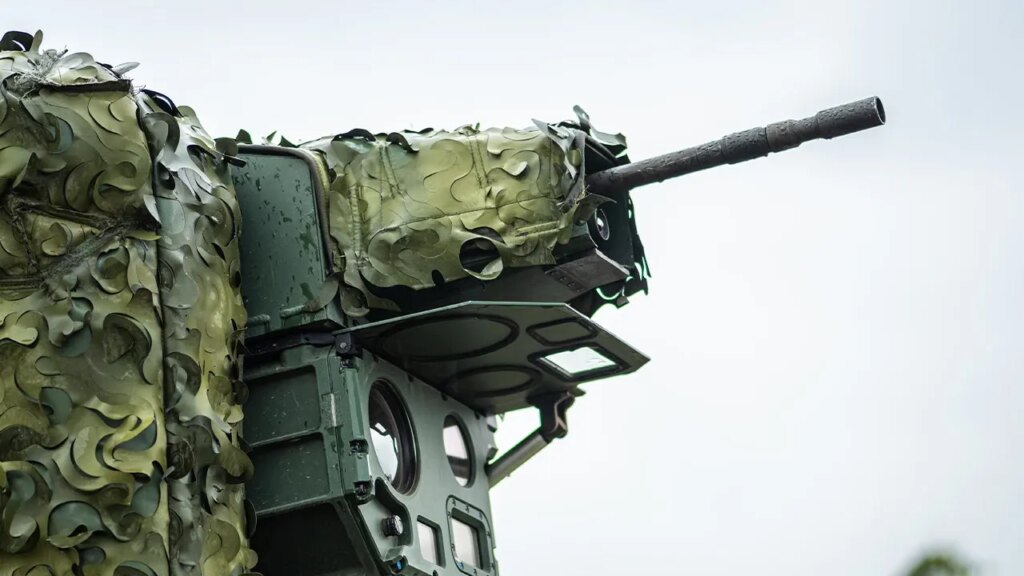
A senior NATO commander has raised significant alarms regarding the production of weapons, particularly pointing to a critical shortage of munitions in light of ongoing conflicts such as the war in Ukraine. Meanwhile, the U.S. Army is taking bold steps to accelerate the testing and development of new military technologies by opening military test ranges to private defense firms, promising expedited access. This initiative aims to enhance the speed and efficiency of weapons production to better meet modern demands in warfare.
| Article Subheadings |
|---|
| 1) Alarm over munitions shortage |
| 2) U.S. Army’s streamlined testing process |
| 3) Locations for testing opportunities |
| 4) Collaboration with international partners |
| 5) Future implications for defense technology |
Alarm over munitions shortage
The dire state of munitions is becoming increasingly alarming as military conflicts persist globally. A top NATO general has voiced concerns over the United States’ ability to meet munitions production demands, particularly regarding Patriot missile systems. The general emphasized that ongoing conflicts—especially the war in Ukraine—have led to an unprecedented depletion of munitions stockpiles, undermining the defense capabilities of NATO countries and the U.S.
This situation has prompted a reassessment of the speed and scale at which defense manufacturers can produce necessary weapons. With an urgent need for supplies in theaters of conflict, NATO allies are under pressure to ramp up production rates to ensure soldiers have the equipment needed for effective deployment.
The munitions shortage is not merely a logistical issue; it threatens operational readiness and could impact strategic military planning for NATO operations. Without adequate supplies, the alliance may struggle to sustain its defensive posture, and adversaries could exploit this vulnerability during critical moments in conflict.
U.S. Army’s streamlined testing process
In a proactive move, the U.S. Army has announced plans to enhance the testing and production cycle of military technologies by opening its military test ranges to private defense companies. This initiative, detailed by Army Secretary Dan Driscoll, promises to significantly cut down the time it takes for private firms to secure testing opportunities. Previously, the process could take as long as 18 months; under the new system, companies can expect a response within 30 days.
Driscoll articulated his belief that the military needed to “get out of its own way” to facilitate innovation. The 30-day window for testing has sparked enthusiasm among defense contractors, who can now bring new technologies to the battlefield more rapidly. This move is aligned with how commercial enterprises operate, thereby fostering a faster-paced environment in military innovation.
The Army will utilize an online portal for companies to submit requests, ensuring that innovation is not hindered by bureaucratic red tape. This streamlined process is expected to create a more agile response to emerging threats and enhance the overall capability of U.S. armed forces.
Locations for testing opportunities
As part of this initiative, the Army is opening several key test ranges across the country to facilitate faster access for private industry. The designated sites for testing include the Dugway Proving Ground in Utah, the West Cibola Range in Arizona, Camp Shelby Joint Forces Training Center in Mississippi, and Camp Grayling Joint Maneuver Training Center in Michigan.
These locations have been strategically selected to provide realistic environments where defense contractors can evaluate their technologies under conditions that mimic modern battlefield scenarios. This setup allows companies to conduct trials that can lead to rapid improvements in their equipment effectiveness.
The Army also indicated that it would coordinate testing opportunities with U.S. Africa Command in Morocco, expanding its outreach and technological collaboration internationally. Companies seeking testing time can access this robust network through the online portal, which will significantly enhance their ability to innovate and produce effective military solutions.
Collaboration with international partners
The Army’s initiative does not stop at domestic partnerships; it extends its support to international defense collaboration as well. By working closely with U.S. Africa Command and other allies, the Army aims to extend its testing capabilities beyond American soil. This move opens the door for foreign companies and local defense industries to access U.S. military resources, further integrating global defense efforts.
Moreover, the Army’s commitment to providing testimonials and support to industry leaders without the need for pre-existing government contracts signals a shift toward inclusivity in defense technology development. This could pave the way for groundbreaking innovations that could reshape the future of combat.
The transition towards collaborative testing environments speaks to the changing nature of warfare, where agility and swift technological advancement could be decisive factors on the battlefield. These partnerships could also foster a greater exchange of ideas and capabilities, contributing to a more unified defense strategy among allied nations.
Future implications for defense technology
The implications of this initiative reach far beyond the immediate need for munitions and testing facilities. By breaking down barriers to entry for defense technology firms, the U.S. Army sets the stage for a new era of innovation in military capabilities. Companies with fresh ideas can now navigate testing procedures without achieving long-standing relationships with government entities.
This paradigm shift is poised to accelerate the development of advanced technologies, including autonomous systems, next-generation drones, and effective counter-drone capabilities. As noted by Dan Driscoll, innovation driven by necessity—similar to what was witnessed in Ukraine—will lead the charge in military modernization.
The message from the Army emphasizes that improved responsiveness leads to more effective solutions which may enhance national security. In a landscape where military engagements can shift rapidly, equipping defense companies with access to testing facilities is an essential strategy to ensure that the U.S. military remains ready to respond to emerging threats.
| No. | Key Points |
|---|---|
| 1 | NATO faces a significant munitions shortage amid ongoing conflicts. |
| 2 | U.S. Army promises expedited testing process for defense contractors. |
| 3 | Key military testing sites include locations in Utah, Arizona, Mississippi, and Michigan. |
| 4 | International collaborations are being strengthened to enhance defense technology. |
| 5 | Future defense initiatives are expected to lead to rapid technological advancements. |
Summary
In conclusion, the intersection of NATO’s urgent munitions needs and the U.S. Army’s commitment to modernizing testing procedures signifies a pivotal moment in defense policy. By streamlining access to military resources for private firms, the Army prepares to unlock innovative solutions that could redefine military readiness and effectiveness. In a world where conflict can arise unexpectedly, such initiatives will be essential for maintaining a competitive edge and ensuring national security.
Frequently Asked Questions
Question: What actions is NATO taking regarding munitions shortages?
NATO officials are addressing critical munitions shortages, particularly emphasizing the need to ramp up production rates to meet demands strained by ongoing conflicts.
Question: How does the U.S. Army plan to facilitate quicker testing for developers?
The U.S. Army is opening military test ranges to private defense companies and aims to reduce the wait time for testing opportunities from 18 months to just 30 days.
Question: What are the benefits of the Army’s new testing initiative?
The new initiative will allow for faster innovation in military technology. It provides private firms with easier access to testing facilities, thus helping them develop effective solutions more rapidly.