
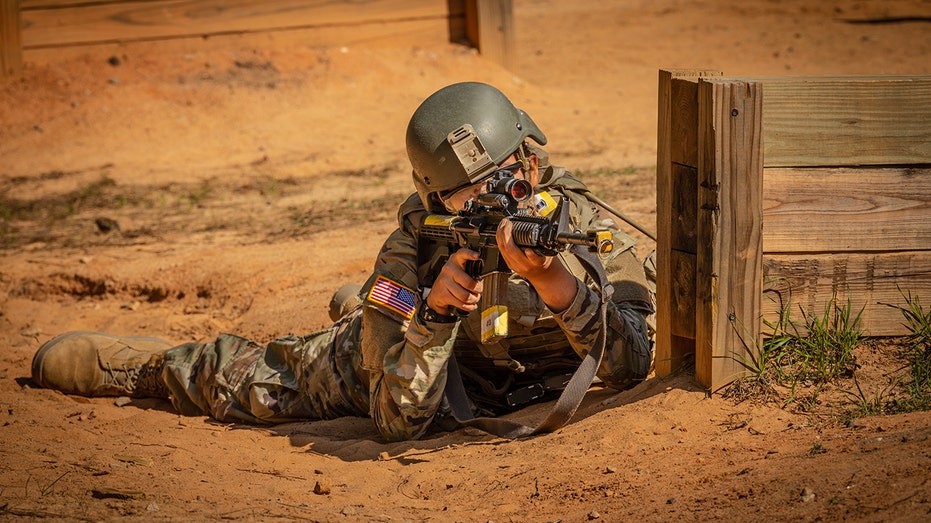
The U.S. Army has reached its fiscal year 2026 active-duty recruiting goal months ahead of schedule, with more than 61,500 future soldiers signed on for service. The milestone marks a sharp reversal after several years of missed targets and follows a nearly 38% rise in recruiting from the fiscal year 2022 low. Army leaders attribute the improvement to renewed patriotism, a stronger sense of purpose and the wide range of professional opportunities available to recruits. Retention is also exceeding expectations, as more soldiers choose to continue their military careers.
Commanders and soldiers at Fort Hood, one of the Army’s largest installations, described the trend as evidence that a new generation is increasingly willing to serve while gaining skills that can support long-term careers.
| 1) | Recruiting goal reached ahead of schedule |
| 2) | Patriotism and purpose shape enlistment decisions |
| 3) | Recruiters expand outreach to young Americans |
| 4) | More than 200 Army career fields attract recruits |
| 5) | Retention and technical skills remain priorities |
Recruiting goal reached ahead of schedule
The Army has already met its fiscal year 2026 active-duty recruiting objective, months before the fiscal year ends. More than 61,500 future soldiers have signed contracts, providing the service with a significant improvement after recruiting reached its lowest point in fiscal year 2022. Recruiting has increased each year since that low, with the largest annual gain recorded in fiscal year 2025.
The result gives Army leaders evidence that their recruiting efforts are producing measurable results. The service is also exceeding retention goals, meaning the improvement is not limited to new enlistments. Soldiers already serving are increasingly deciding to extend their careers, strengthening the force’s experience and continuity.
Patriotism and purpose shape enlistment decisions
Soldiers interviewed at Fort Hood said personal commitment to the country remains a central reason people join. Infantryman Guadalupe Campos enlisted at 18 and recently extended his service nearly six years after first joining. He said his decision reflected a desire to fulfill his responsibility to the country.
“I wanted to do my due diligence and service to my country,” Campos said.
Campos said military service strengthened his patriotism and connected him with people from many different backgrounds. He described the Army’s mission as bringing soldiers together around a shared responsibility to protect the Constitution and the American people. Army leaders say that sense of shared purpose is helping motivate young Americans to consider service.
Recruiters expand outreach to young Americans
Recruiters are spending more time in high schools, on college campuses and in local communities to explain what military service involves and what it can provide. Army Recruiting Battalion Commander Jade Root said many young men and women are seeking a purpose larger than themselves while also looking for practical skills and leadership experience.
“They understand the opportunities that the Army provides to acquire critical skills and leadership skills that will last them a lifetime,” Root said.
The Army says the typical recruit is about 23 years old. Root also emphasized that recruiters must treat each prospective soldier as an individual rather than as a number, noting that every recruit is someone’s son or daughter. In her view, the results indicate that patriotism remains a meaningful factor in enlistment decisions.
More than 200 Army career fields attract recruits
The Army’s employment options extend well beyond traditional combat positions. The service offers more than 200 career fields, including medicine, helicopter maintenance, cybersecurity, engineering, military intelligence and animal care. Those choices allow recruits to pursue specialized work while serving in uniform.
Army Animal Care Specialist Grizel Cornejo said prospective soldiers are often surprised by the breadth of available careers. The combination of professional development and national service can make enlistment more attractive to people who may not initially view the Army as a path connected to their civilian interests.
“It’s really encouraging for people to realize they can have the career they want, but also be in the Army and serve the country,” Cornejo said.
Retention and technical skills remain priorities
The recruiting surge comes as the Army prepares for a changing battlefield that increasingly depends on technical expertise. Leaders are seeking recruits with skills in cybersecurity, engineering and military intelligence, alongside soldiers prepared for more established operational roles.
At the same time, retention results suggest that the Army is keeping more experienced personnel. For commanders at Fort Hood, the combination of new enlistments and continued service by current soldiers matters more than a single numerical target. They view the trend as a sign that recruits are responding to a mix of patriotism, benefits, career prospects and a willingness to answer the call to serve.
| Number | Key Point |
|---|---|
| 1 | More than 61,500 future soldiers have signed on for fiscal year 2026 active duty. |
| 2 | Recruiting has risen nearly 38% from the fiscal year 2022 low. |
| 3 | Patriotism, purpose and leadership opportunities are encouraging enlistment. |
| 4 | The Army offers more than 200 career fields, including technical specialties. |
| 5 | Retention goals are also being exceeded as more soldiers extend their service. |
Summary
The Army’s early achievement of its fiscal year 2026 recruiting goal represents a notable turnaround from the shortfalls of recent years. The increase reflects several overlapping motivations, including patriotism, purpose, benefits and access to specialized career training. With retention also improving and demand rising for technical expertise, Army leaders are presenting the surge as a broader strengthening of the force rather than simply a short-term recruiting result.
Frequently Asked Questions
How many future soldiers have signed on for active duty?
More than 61,500 future soldiers have signed on, allowing the Army to meet its fiscal year 2026 active-duty recruiting goal ahead of schedule.
What factors are driving the recruiting increase?
Army leaders and soldiers cite patriotism, a sense of purpose, benefits, leadership development and access to civilian-relevant career opportunities.
What career fields does the Army offer?
The Army offers more than 200 fields, including medicine, aviation maintenance, cybersecurity, engineering, military intelligence and animal care.
Is Army retention also improving?
Yes. Army leaders say retention goals are being exceeded as more soldiers choose to extend their service and continue their military careers.