
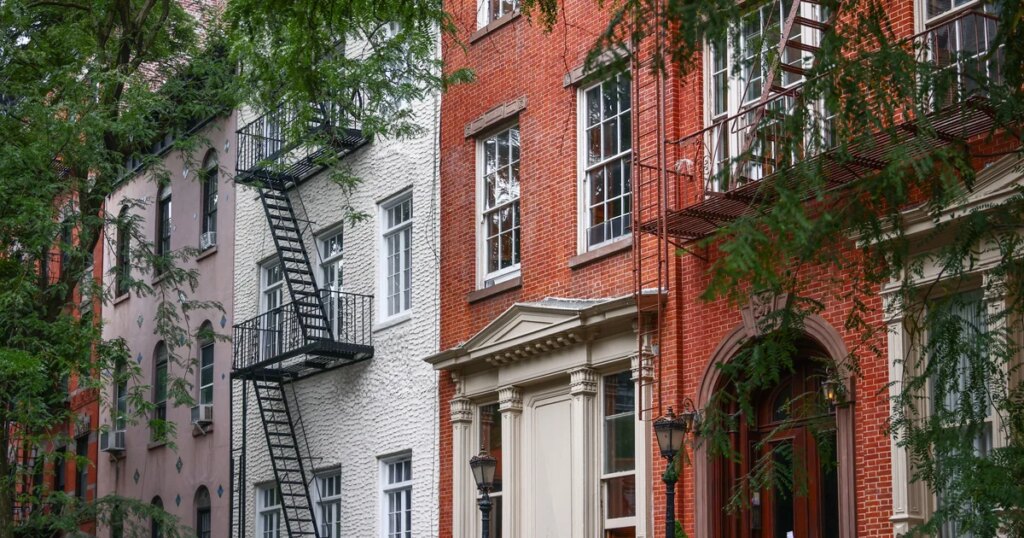
As the housing market continues to struggle, the cost of renting has surged significantly across the United States. According to recent findings from a loan marketplace, rent for both one-bedroom and two-bedroom apartments has skyrocketed since 2020, leaving many potentially facing financial strain. Various factors, including high demand from remote workers and increasing home prices, have contributed to this trend, leading analysts to predict only a marginal easing in rental prices in the coming year.
| Article Subheadings |
|---|
| 1) Overview of Rent Increases |
| 2) Major Contributing Factors |
| 3) Cities Most Affected |
| 4) Areas with Slower Growth |
| 5) Future Projections |
Overview of Rent Increases
Recent studies reveal that in the 50 largest U.S. cities, the average rent for a one-bedroom apartment has increased by $457 monthly, a staggering 41%, reaching $1,578 between 2020 and 2025. This trend is not isolated to one-bedroom apartments; two-bedroom units have similarly risen by $505, or 37%, averaging around $1,858 within the same timeframe. These figures underscore the growing financial burden faced by renters across the nation.
Since 2019, rents have outpaced national wage growth significantly, with rental prices climbing 1.5 times faster than wage increases. A report indicates that these escalating costs highlight a growing divide between housing expenses and income, eroding any financial wiggle room for many renters. Matt Schulz, chief consumer finance analyst at a financial services company, explained that for countless Americans, the slightest increase in rent can wreak havoc on monthly budgets, emphasizing the urgency of the situation.
Major Contributing Factors
Several elements contribute to the soaring rents, according to housing analysts. Chief among these is the migration of remote workers during the pandemic, which has shifted demand to previously less desirable rental markets. This migration has altered the dynamics of supply and demand, causing significant stress on the housing market.
Rob Bhatt, a consumer finance analyst, noted that the pandemic’s effects have created lasting pressures on rental markets, especially in urban areas. Rising home prices and increasing mortgage rates have further restricted the availability of homes, forcing more renters to compete for a dwindling supply of affordable housing. High competition coupled with limited inventory has amplified the challenges renters face today.
Cities Most Affected
In specific metropolitan areas, rental increases have been particularly pronounced. Cities like New York, San Diego, and Miami lead the pack, with considerable monthly rent hikes for both one-bedroom and two-bedroom apartments. For instance, New York’s one-bedroom rents have soared by $854, while San Diego and Miami follow closely behind with increases of $817 and $764, respectively.
In addition to these cities, others like Riverside, California; Tampa, Florida; Sacramento, California; Atlanta; Orlando, Florida; Boston; and Phoenix have also experienced significant increases in rental prices. The trend highlights a nationwide shift in housing demand, reflecting broader economic changes triggered by the pandemic.
Areas with Slower Growth
While many cities face sharp rent increases, certain locations seem to be experiencing a slowdown in rental growth. Notably, San Francisco has seen a more modest rise in rent prices, with one-bedroom apartments only increasing by $54 monthly and two-bedroom units up by $51. Other cities such as Birmingham, Alabama; Oklahoma City; San Antonio, Texas; and St. Louis, Missouri, have similarly shown slower rental growth rates, indicating a more balanced rental market.
This distinction between fast-growing and slower-growing rental markets could be attributed to various factors, including local economic conditions, housing supply, and demand dynamics. Some cities have successfully managed to maintain more stable rental prices, which may be appealing to potential renters seeking affordable housing options.
Future Projections
Looking ahead, the rental market landscape shows some signs of easing but remains precarious. Experts predict that, nationally, rent prices may decrease slightly by about 1% in the upcoming year. However, this negligible drop may not be enough to significantly alleviate the financial pressures many renters currently face.
While there is hope for a softening market, the primary contributing issues, such as high demand and slow inventory growth, continue to persist. The findings from LendingTree, based on an analysis of fair-market rents from the Department of Housing and Urban Development, suggest that significant systemic changes may be necessary to bring real affordability to the rental market.
| No. | Key Points |
|---|---|
| 1 | Rents for one-bedroom and two-bedroom apartments surged significantly in the U.S. |
| 2 | Demand from remote workers has driven prices higher, especially in urban areas. |
| 3 | Cities like New York and San Diego have observed the highest rental increases. |
| 4 | Some markets, including San Francisco, have seen slower rental growth. |
| 5 | Experts predict only a minor decrease in rental prices in the near future. |
Summary
In conclusion, skyrocketing rental prices reflect a complex interplay of market dynamics, particularly shaped by pandemic-era shifts. As renters face increasing financial challenges, the marginal expected relief in prices shows that significant systemic changes may be necessary for meaningful affordability to return. Policymakers and community leaders must address these rising costs to ensure families can secure stable housing in the coming years.
Frequently Asked Questions
Question: Why are rental prices increasing so rapidly?
Rental prices have surged due to increased demand from remote workers, limited housing inventory, and rising home prices, which have forced more people into the rental market.
Question: Which cities have experienced the highest rent increases?
Cities such as New York, San Diego, and Miami have seen some of the largest rent increases in recent years, attributed to high demand and limited housing supply.
Question: Are there any areas where rents are stabilizing or growing more slowly?
Yes, cities like San Francisco, Birmingham, Alabama, and Oklahoma City have recorded slower rates of rent growth compared to the national trend, potentially indicating more balanced rental markets.