
In a series of escalating military actions and diplomatic tensions in the Middle East, various parties have taken pronounced stances amid rising fears of broader conflict. Recent protests in South Korea signal public dissent against potential military involvement in a U.S.-led effort concerning the strategic Strait of Hormuz, a crucial maritime route for the global oil supply. Concurrently, military engagements have increased in Yemen and between Iran and the United States, leading to significant geopolitical ramifications that raise questions about the stability in the region.
| Article Subheadings |
|---|
| 1) South Korean Public Outcry Against Military Deployment |
| 2) Escalating Violence in Yemen |
| 3) Oil Prices Surge Amid Ongoing Conflicts |
| 4) Iranian Military Actions and Retaliations |
| 5) Conclusion: The Broader Implications of Recent Events |
South Korean Public Outcry Against Military Deployment
On September 6, 2026, dozens of South Koreans gathered outside the U.S. embassy in Seoul to voice their opposition to a potential military deployment to the Strait of Hormuz. As tensions in the Middle East escalate, the South Korean government is weighing its role in contributing to the security of this vital waterway. Protesters held placards reading, “Do not join a war of aggression,” reflecting the public’s fear of being drawn into a broader military conflict that has already caused significant loss of life and instability in the region.
According to reports, the demonstration was fueled by recent announcements from South Korean defense officials regarding a fact-finding mission dispatched to assess the situation in the Strait of Hormuz. They emphasized that no decision has yet been made to commit troops. However, the prospect of involvement is concerning to many citizens, leading to chants during the protest such as, “We cannot send our young people into a sea of death!”
The South Korean government has publicly stated that any contributions to U.S. security efforts will only be considered if they do not jeopardize its military readiness. The stance indicates the complex balancing act that officials must navigate as they address both international obligations and domestic sentiments. The situation remains fluid, with recent communications from Iran warning that any deployment by South Korea could be interpreted as direct support for U.S. aggression, which Tehran claims could have severe repercussions.
Escalating Violence in Yemen
Yemen’s ongoing conflict saw a significant upturn in violence on September 6, 2026, as Iran-backed Houthi rebels reported suffering from over 30 strikes carried out by Saudi forces. These actions followed a series of assaults launched by the Houthis against Saudi Arabia that resulted in temporary disruptions at crucial oil facilities and injuries to numerous civilians. Reports highlight that these clashes have reignited hostilities and highlight the fragile state of peace in the region.
The Houthis’ escalating campaign appears to be an attempt to secure strategic territories, particularly near the Bab al-Mandab strait, a critical maritime route that has gained importance as Saudi Arabia seeks alternatives for oil transport following increased threats to shipping in the Strait of Hormuz. Since hostilities resumed, civilian casualties have risen, adding to the humanitarian crisis wherein tens of thousands have already been displaced by years of conflict.
Analysts have noted that these developments could further complicate international efforts to bring peace to Yemen. Without a comprehensive resolution to the ongoing conflict, incidents of violence are likely to escalate, and the effectiveness of international mediations may be greatly undermined.
Oil Prices Surge Amid Ongoing Conflicts
As hostilities flare in the Middle East, market reactions are already evident, particularly in the oil sector. On September 6, 2026, Brent crude oil prices surged past $99 per barrel, marking a continuation of upward price trends observed since mid-August. U.S. crude oil similarly rose by over 1.2%, trading at approximately $94.17. The fluctuations in price reflect both the turmoil in the region and the reduced capacity to safely transport oil.
Before the outbreak of war in February 2026, one-fifth of the world’s oil traverse the Strait of Hormuz. The ongoing conflict in the region has drastically limited shipping traffic, causing significant concerns over supply disruptions and long-term economic impacts. As prices creep higher, consumers and industries alike brace for potential knock-on effects, given that oil is a pivotal driver in the global economy.
Market analysts and economists are watching these developments closely, understanding that sustained increases in oil prices could lead to inflationary pressures worldwide. As energy prices dictate broader economic health, gradual tensions can have far-reaching effects that require proactive responses from global financial regulators.
Iranian Military Actions and Retaliations
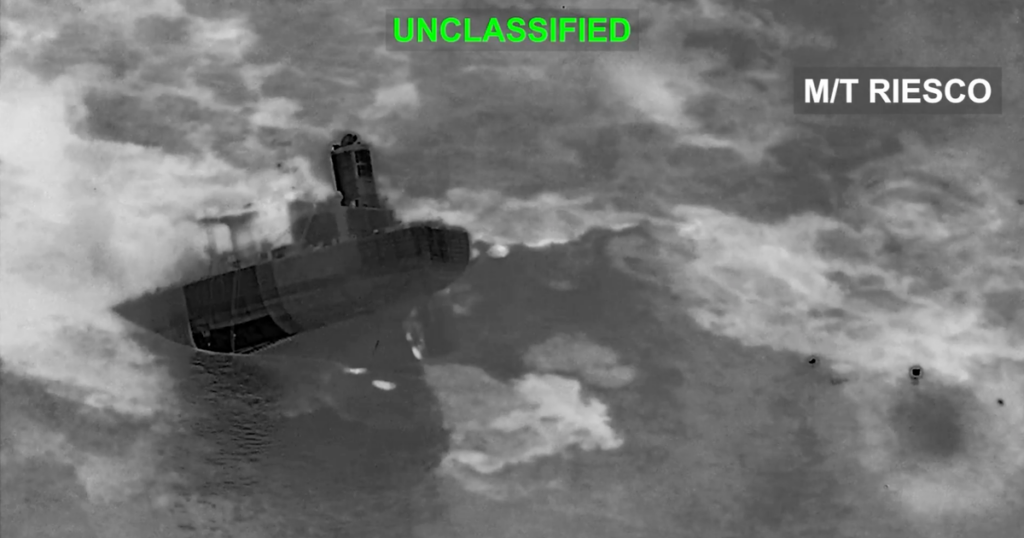
In a parallel development, Iranian state media reported that Iran has recently launched missiles targeting U.S. positions in Jordan. This move comes in response to American airstrikes that destroyed five oil tankers linked to the Iranian Revolutionary Guard. The U.S. Central Command, which oversees military operations in the region, reported that the missile threats towards Jordan were intercepted, avoiding potential casualties.
As part of an ongoing cycle of retaliatory strikes, the exchange of fire highlights the volatility of U.S.-Iran relations and the ongoing tensions in the Middle East. Reports indicate that Jordan’s air defense capabilities were effective in neutralizing the missile threat, emphasizing the kingdom’s strategic role as a firm ally of the United States. However, the ongoing missile strikes signify that Iran remains resolute in its military responses to perceived threats.
The Iranian Navy is also warning oil tanker crews near Kuwait and Bahrain to vacate the area due to potential targeting in retaliation for U.S. actions. This warning indicates an escalation of hostilities and the potential for wider conflict amid already tense military postures in the region.
Conclusion: The Broader Implications of Recent Events
The recent wave of protests in South Korea, increasing military actions in Yemen, rising oil prices, and escalating Iranian military responses reveal a region teetering on the edge of broader conflict. Each event is interconnected, demonstrating how local decisions and tensions resonate on a global scale. As nations evaluate their responses and public sentiments sway, the landscape appears increasingly unstable.
The ramifications of these developments will be crucial not only for the countries directly involved but also for international stakeholders with vested interests in regional stability. As tensions continue to rise, a comprehensive approach from diplomatic channels is essential to prevent further escalation and avoid humanitarian crises arising from ongoing military engagements.
| No. | Key Points |
|---|---|
| 1 | South Korea faces public dissent against possible military deployment to the Strait of Hormuz amid rising regional tensions. |
| 2 | Yemen experiences renewed violence, affecting civilians and complicating international peace efforts. |
| 3 | Oil prices are surging as conflicts disrupt supply routes, raising concerns over global economic impacts. |
| 4 | Iran employs missile strikes against U.S. targets, indicating escalating military hostilities in the region. |
| 5 | Geopolitical dynamics in the Middle East are increasingly volatile, necessitating urgent diplomatic interventions. |
Summary
The current geopolitical landscape in the Middle East is marked by rising tensions, military skirmishes, and public protests that signal potential broader conflicts. As nations like South Korea navigate their roles amidst international pressures, the ongoing hostilities in Yemen and the unpredictable military actions from Iran continue to shape the region’s future. This volatile situation demands careful monitoring and diplomatic engagement to safeguard both regional stability and global economic interests.
Frequently Asked Questions
Question: What is the significance of the Strait of Hormuz?
The Strait of Hormuz is a critical maritime route, through which a significant portion of the world’s oil supply is transported. Control over this waterway is essential for global energy security.
Question: How are the recent protests in South Korea reflective of public sentiment?
The protests indicate strong public opposition to military involvement in overseas conflicts, highlighting concerns about the potential loss of lives and the implications of being drawn into U.S.-led military actions.
Question: What are the implications of rising oil prices on the global economy?
Rising oil prices can lead to increased costs for transportation and goods, potentially causing inflationary pressures worldwide and impacting economic stability across various sectors dependent on oil.