
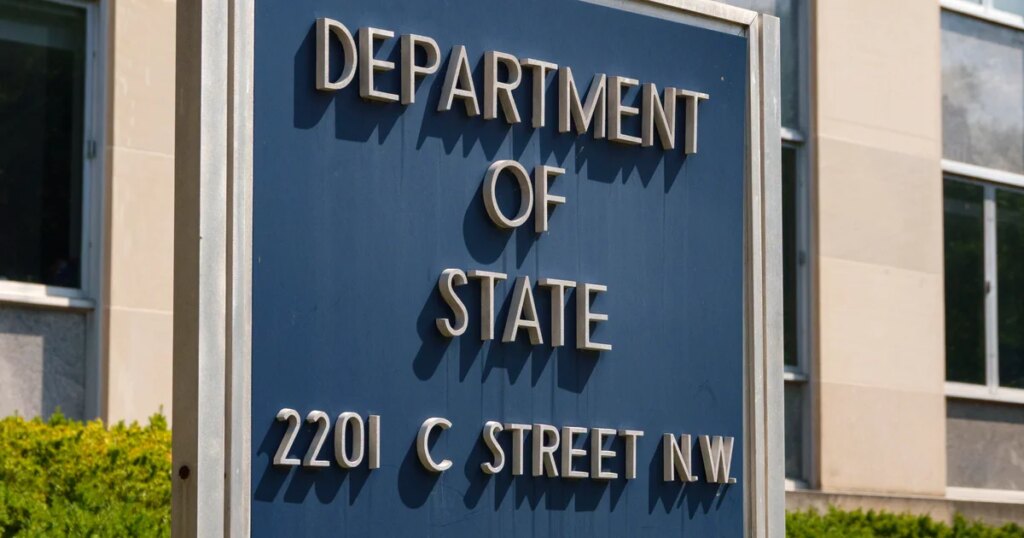
The U.S. State Department has officially revoked the visa of Brazil’s ambassador to the United States, Maria Luiza Ribeiro Viotti, amid escalating tensions in the diplomatic relationship between the two nations. This action comes as part of a broader dispute triggered by Brazil’s refusal to approve President Donald Trump‘s nominee for the U.S. ambassador position, Daniel Perez. In response, Brazil has condemned the revocation, claiming the U.S. justification for the decision is unfounded.
| Article Subheadings |
|---|
| 1) Background of the Visa Dispute |
| 2) Brazil’s Response to the U.S. Actions |
| 3) Current Political Climate in Brazil |
| 4) Economic Tensions and Tariffs |
| 5) Broader Implications for U.S.-Brazil Relations |
Background of the Visa Dispute
The revocation of the visa for Maria Luiza Ribeiro Viotti is a significant development in the diplomatic relations between the United States and Brazil. This action is tied to ongoing tensions regarding the appointment of a new U.S. ambassador in Brazil. Daniel Perez, a Republican and close ally of Marco Rubio, has been nominated but lacks the necessary agrément, or diplomatic approval, from Brazil. Reports indicate that Brazil has postponed this approval, possibly until after their upcoming elections, which have raised concerns in Washington about the nature of the ongoing diplomatic engagement.
The senior State Department official indicated that the delay is an intentional move, stating, “They have not only delayed but put out signals that they will probably delay until after their election there.” This escalating situation is viewed as part of a larger pattern of diplomatic disputes that have surfaced over the last year.
Brazil’s Response to the U.S. Actions
In response to the visa revocation, the Brazilian government did not remain silent. A spokesperson described the justification behind the U.S. action as “false,” arguing that the U.S. should not announce its ambassadorial nominations without prior consent. They stated, “The name of a proposed ambassador should be made public only after consent has been granted.”
Brazil’s assertion highlights the complexities and sensitivities involved in diplomatic protocols. The Brazilian government’s stance reflects not only its displeasure with the U.S. action but also a broader critique of what it perceives as unilateral and aggressive measures taken by Washington against its international partners. The government described the move as part of a “deliberate escalation of hostile measures” that threaten the long-standing bilateral partnership based on mutual respect.
Current Political Climate in Brazil
The diplomatic friction comes as Brazil prepares for its upcoming elections, where current President Luiz Inácio Lula da Silva is seeking reelection against Sen. Flávio Bolsonaro, the son of former President Jair Bolsonaro. The political scenario in Brazil is charged, with previous scandals and tensions influencing the current election cycle. The backdrop of this electoral contest adds a layer of complexity to the negotiations and interactions between the two countries.
The former president, Jair Bolsonaro, who is currently serving a lengthy prison sentence for his actions following the 2022 elections, may still influence the political discourse in Brazil, especially as Lula’s campaign navigates around these pivotal dynamics.
Economic Tensions and Tariffs
Other than the diplomatic strain, economic relations have also seen a downturn, particularly with the recent imposition of 25% tariffs on several goods imported from Brazil. The U.S. argues these tariffs are necessary due to accusations of unfair trade practices, predominantly revolving around the regulation of U.S. tech companies operating within Brazil.
Lula, in response, has ardently defended Brazil’s trade practices, declaring, “There is no justification for unilateral measures against our country.” He cited U.S. statistics that indicate a significant trade surplus for the United States over the last decade and a half, thus questioning the rationale provided by the U.S. government.
Broader Implications for U.S.-Brazil Relations
The escalating tensions between Brazil and the U.S. have the potential to reshape the diplomatic landscape between the two nations. With ongoing disputes and economic sanctions, there is a growing concern that these developments may hinder cooperation on various fronts, including trade, environmental policies, and regional security.
Additionally, the disagreements over ambassadors and accusations of interference complicate an already delicate relationship. As both countries navigate these complex issues, observers are keenly watching to see how this situation unfolds in light of the upcoming Brazilian elections and the future of U.S.-Brazil diplomacy.
| No. | Key Points |
|---|---|
| 1 | The U.S. State Department revoked the visa of Brazil’s ambassador, escalating tensions in diplomatic relations. |
| 2 | Brazil withheld approval for the U.S. ambassador nominee, creating a diplomatic deadlock. |
| 3 | The Brazilian government criticized the U.S. justification for the visa revocation as unfounded. |
| 4 | Ongoing electoral politics in Brazil complicate the diplomatic scenario. |
| 5 | Economic disputes, including tariffs, add an additional layer of complexity to U.S.-Brazil relations. |
Summary
The recent developments involving the revocation of Brazil’s ambassador’s visa by the U.S. signify a deepening diplomatic crisis that combines issues of political, economic, and ideological nature. As both nations grapple with the implications of these actions, the path forward demands careful navigation to preserve and potentially enhance their bilateral relationship. The ongoing political climate in Brazil will likely further influence the dynamics between these two significant nations in the Americas.
Frequently Asked Questions
Question: What led to the revocation of Brazil’s ambassador’s visa?
The U.S. revoked the visa as a response to Brazil’s delay in granting approval for the nomination of a new U.S. ambassador, which is perceived as indicative of growing diplomatic tensions.
Question: How has Brazil’s government responded to the visa revocation?
Brazil condemned the revocation, arguing that the justifications were false and asserting that the announcement of the ambassador should come only after consent is granted.
Question: What are the economic implications of the current U.S.-Brazil tensions?
The tensions have resulted in the U.S. imposing tariffs on Brazilian imports, with both governments accusing each other of engaging in unfair trade practices.