
Oman and Iran are poised to resume discussions regarding the management of the strategically valuable Strait of Hormuz, as announced by the Iranian foreign ministry spokesperson, Esmail Baghaei. This crucial waterway has garnered increasing attention due to its importance in international maritime trade. Additionally, U.S. economic strategies targeting Iran and associated nations are intensifying, complemented by a recent memorandum of understanding highlighting the complexities of regional diplomacy.
| Article Subheadings |
|---|
| 1) Oman and Iran’s Diplomatic Talks on Strait Management |
| 2) U.S. Treasury Secretary’s Economic Warnings |
| 3) Iranian President Defends the Memorandum of Understanding |
| 4) Iran’s Stance on Economic Warfare |
| 5) Global Implications of Iran’s Sanctions Policy |
Oman and Iran’s Diplomatic Talks on Strait Management
Oman and Iran continue to engage in vital discussions surrounding the management of the Strait of Hormuz, a strategic waterway critical for the global oil supply. Scheduled for Tuesday, these talks will feature the Omani foreign minister’s diplomatic visit to Tehran.
The Strait of Hormuz connects the Persian Gulf with the Gulf of Oman and is one of the busiest maritime passages in the world, serving as a conduit for approximately 20% of global oil shipments. Both nations are keen on ensuring a secure and uninterrupted flow of maritime trade, which has immense implications for their economies. The ongoing discussions are expected to address new policies, including potential fees for ships navigating the strait and established routes for entry and exits.
These talks are especially consequential given the geopolitical tensions in the region, underscoring both countries’ desire to maintain stability in the chokepoint that is critical to their national interests. The ongoing discussions reflect a collaborative effort to navigate shared challenges and enhance maritime security.
U.S. Treasury Secretary’s Economic Warnings
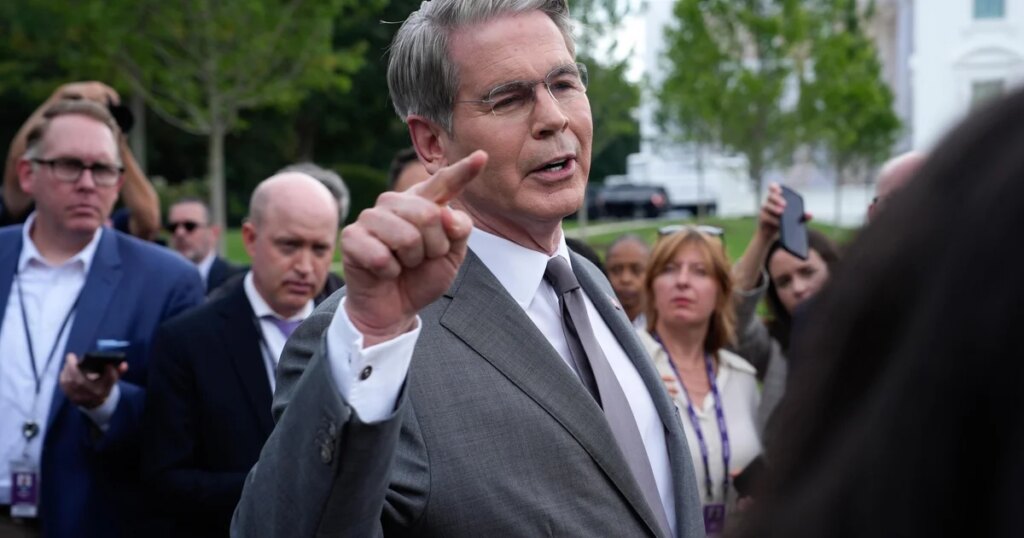
In a decisive warning, U.S. Treasury Secretary Scott Bessent has indicated that the United States is making preparations for what he termed an “economic D-Day” against Iran. This aggressive shift in the U.S. strategy aims at amplifying economic pressure on Iran amid a prolonged deadlock in negotiations over its nuclear program.
In an article published in the Financial Times, Bessent described this initiative as potentially “the single greatest financial offensive ever marshalled against an adversary.” His commentary reflects a marked transition from military strategies to stringent economic measures, emphasizing the administration’s belief that such pressure could catalyze a breakthrough.
Secretary Bessent also urged Iran’s allies to sever ties with Tehran, suggesting that such actions would not only benefit those countries but also ingratiate them with the global financial system. He is expected to hold a press conference to elaborate on the new economic measures that could significantly reshape the landscape of U.S.-Iran relations.
Iranian President Defends the Memorandum of Understanding
Amidst rising tensions and challenges in international diplomacy, Iranian President Masoud Pezeshkian staunchly defended the memorandum of understanding signed with the U.S. in June. He characterized the agreement as the best pathway for Iran to navigate what he referred to as a state of “neither war nor peace.”
During a recent address distributed by state media, Pezeshkian stressed the backing of Iran’s Supreme National Security Council, which viewed the memorandum as reflecting national dignity, wisdom, and long-term interests. He asserted that every provision within the agreement upholds Iran’s sovereignty, rejecting criticisms implying any form of capitulation.
The memorandum, which set a 60-day deadline for reaching an accord related to Iran’s nuclear program, has since faced scrutiny due to stagnation in discussions and lack of tangible progress on pivotal issues like reopening the Strait of Hormuz. The precarious situation underscores the complexities inherent in diplomatic engagements amid geopolitical strife.
Iran’s Stance on Economic Warfare
Iran has recently intensified its rhetoric against nations participating in U.S. sanctions, labeling them as “enemies” of the Islamic Republic. In a warning issued by Mohsen Rezai, head of the Supreme National Security Council, Iran asserted that countries joining what they termed the “economic war” waged by the United States would face adverse consequences.
Rezai’s statement emphasizes Iran’s determination to safeguard its interests, cautioning that nations failing to distance themselves from U.S. economic initiatives could suffer harm to their own economic prospects. This controversial stance highlights Iran’s strategy of leveraging its geopolitical influence while advocating for sanctions resistance.
Furthermore, the Iranian leadership claims it has not yet executed retaliatory measures against American economic interests, suggesting that Tehran retains significant leverage in the ongoing conflict. The U.S.’s strategy of “Economic Warfare and Isolation” represents a new phase in the longstanding geopolitical struggle.
Global Implications of Iran’s Sanctions Policy
The implications of Iran’s approach to sanctions extend beyond regional borders, impacting global economic dynamics. As the U.S. seeks to solidify its sanctions regime against Iran, international relations could be tested as numerous countries navigate their own economic ties with Tehran.
America’s call for allies to join in enforcing these sanctions poses a significant dilemma for countries that maintain robust business relations with Iran, particularly in sectors like energy. The risk of being perceived as adversarial by Iran could lead to increased diplomatic tensions, reshaping alliances and trade relations in the region.
As Iran strengthens its position against the sanctions and emerges as a more defiant player on the international stage, governments worldwide must balance compliance with U.S. directives against their strategic interests. The economic sanctions thus offer both opportunities for the U.S. and risks for its allies engaged in complex diplomatic negotiations.
| No. | Key Points |
|---|---|
| 1 | Oman and Iran are engaging in critical discussions about the Strait of Hormuz’s management. |
| 2 | U.S. Treasury Secretary Scott Bessent warns of significant economic measures against Iran. |
| 3 | Iran’s President Pezeshkian defends the memorandum of understanding with the U.S. as beneficial for national interests. |
| 4 | Iran threatens consequences for countries participating in U.S. sanctions, labeling them as enemies. |
| 5 | The global economic landscape may shift as nations navigate the implications of U.S. sanctions against Iran. |
Summary
The resumption of talks between Oman and Iran regarding the Strait of Hormuz highlights the ongoing diplomatic efforts surrounding one of the world’s most vital maritime routes. Concurrently, U.S. strategies aimed at intensifying economic pressure on Iran may lead to significant ramifications in regional geopolitics. Iran’s defiance in the face of sanctions, coupled with its commitment to international negotiations, showcases the complex interplay between diplomacy, economic strategy, and national security.
Frequently Asked Questions
Question: What are the key issues being discussed between Oman and Iran?
The discussions focus on the management of the Strait of Hormuz, including potential fees for transiting vessels and designated routes for entering and exiting the strait.
Question: What does “economic D-Day” refer to?
“Economic D-Day” is a term used by U.S. Treasury Secretary Scott Bessent to describe an upcoming campaign of intensified economic sanctions and pressure aimed at Iran.
Question: How has the Iranian government responded to U.S. sanctions?
Iran has issued warnings to countries participating in U.S. sanctions, declaring them as enemies and threatening to harm their interests if they do not distance themselves from U.S. economic actions.