
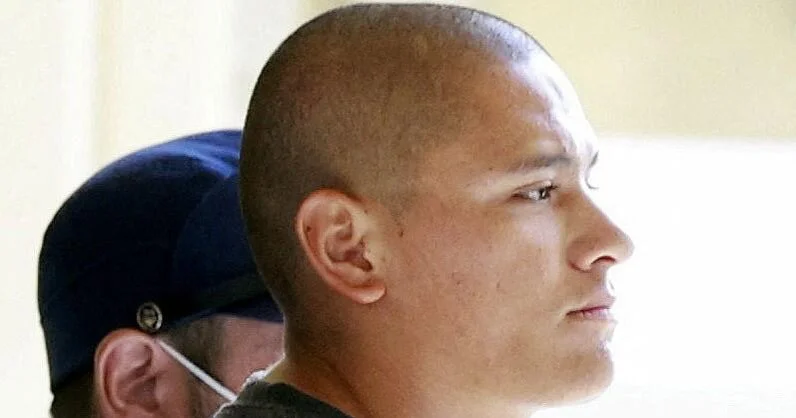
U.S. forces stationed in Okinawa, Japan, have been subjected to a two-day ban on alcohol consumption and a 30-day curfew following a tragic incident involving the murder of a local woman allegedly by an American Marine. This incident has ignited significant outrage among the local population, exacerbating long-standing tensions surrounding the U.S. military presence on the island. Okinawa’s governor is set to address concerns with high-ranking officials in Japan, emphasizing the need for improved discipline and community relations.
| Article Subheadings |
|---|
| 1) Incident Overview and Reaction |
| 2) Official Measures Implemented |
| 3) Local Government Response |
| 4) Historical Context of U.S. Military Presence |
| 5) Implications for Future Relations |
Incident Overview and Reaction
Lance Corporal Devin Jacob Ballard, a 20-year-old U.S. Marine stationed at Futenma Air Station, is currently in custody under suspicion of murdering 39-year-old Anna Yagi at a hotel in Naha, Okinawa. The alleged incident took place early on a Saturday, after which Ballard reportedly stole her wallet and backpack. The news of the murder has since spread across the island and triggered backlash from Okinawa residents, who have long been advocating for accountability regarding U.S. military personnel and their conduct.
In the wake of this incident, many local residents expressed their fears regarding safety and have called for stricter regulations on U.S. military presence. The anger is rooted in historical grievances, making this incident particularly poignant, as it reflects ongoing frustrations related to crime, noise, and environmental pollution attributed to U.S. bases. Preliminary reports indicate that Ballard has denied the allegations, which adds another layer of complexity to the investigation.
Official Measures Implemented
In response to the murder, Lt. Gen. Benjamin Watson, commander of the III Marine Expeditionary Force, announced a comprehensive ban on alcohol consumption for all service members, effective for 48 hours starting Wednesday. This period has been characterized as an “operational pause” designed to encourage training and discussions related to military standards and community responsibilities. Furthermore, military operations are being halted, and likely restrictions on off-base liberties will be enforced to ensure compliance and promote discipline among troops.
The prohibition of alcohol, as stated by Watson, is aimed at facilitating a “period of reflection” which will last 30 days, enforcing a strict curfew that requires all personnel to return to their assigned quarters or off-base residences from midnight to 5 a.m. This curfew policy is an attempt to reinforce responsible behavior among service members during a politically and socially sensitive time.
Local Government Response
The governor of Okinawa, Genta Koja, has asserted that the incident has caused substantial anxiety among local residents. His remarks during meetings with the Japanese Defense Minister Shinjiro Koizumi underscore a collective sentiment among Okinawans regarding the need for enhanced security measures and stricter oversight. Koja has voiced the continuous demands from the prefectural government urging the U.S. military to adopt stronger preventative measures against future incidents.
In his discussions with governmental officials, Koja pointed out that this recent tragedy underscores systemic issues within the military’s discipline and human rights training protocols. He emphasized that repeated failures necessitate a reevaluation of existing approaches to managing service members’ interactions with the local community. Moving forward, the Okinawa government aims to work with central authorities to explore solutions to mitigate these challenges.
Historical Context of U.S. Military Presence
Okinawa hosts the majority of the approximately 54,000 U.S. military personnel stationed in Japan, leading to a unique relationship between the local populace and American service members. Tensions on the island have historically revolved around crime, environmental concerns, and cultural clashes, challenging the perception of military bases as protective installations. Many Okinawans simultaneously acknowledge the strategic benefits of having U.S. forces nearby amidst rising regional threats, particularly from China. However, the repercussions of negative incidents, like the current murder case, often escalate local opposition to the U.S. military presence.
Previous incidents involving U.S. personnel have catalyzed protests and calls for accountability in the form of stronger policies. The Okinawa populace has consistently demanded stricter conduct regulations for U.S. military members as a means of restoring peace and community trust. The ongoing challenge of balancing military necessity against local desires for autonomy continues to shape the dialogue surrounding bases in Okinawa.
Implications for Future Relations
The ongoing situation not only places the spotlight on the immediate repercussions of the murder but also raises broader questions regarding the future of U.S.-Japan relations, particularly concerning military collaboration. As talks between Genta Koja and Shinjiro Koizumi progress, they may lead to significant policy changes aimed at preventing future misconduct and fostering a more harmonious coexistence between U.S. forces and Okinawa residents. The challenges posed by this incident could prompt a renewed focus on education efforts addressing cultural sensitivity, human rights, and respect for local norms.
Moreover, the case serves as a reminder of the potential fragility of the U.S. military presence in strategic locations like Okinawa; the local population must feel secure and respected for the military relationship to endure. With the potential for heightened scrutiny from both local and national stakeholders, it remains crucial for U.S. forces to navigate these complexities with care and responsibility in the coming weeks and months.
| No. | Key Points |
|---|---|
| 1 | A U.S. Marine has been arrested for the alleged murder of a local woman in Okinawa, leading to outrage among residents. |
| 2 | The U.S. military has imposed a ban on alcohol consumption and a curfew for service members in response to the incident. |
| 3 | Okinawa’s governor is actively discussing security concerns with Japanese government officials. |
| 4 | The historical presence of U.S. troops in Okinawa has been a source of tension due to crime and cultural concerns. |
| 5 | Future relations between the U.S. military and Okinawa residents may hinge on the response to this incident. |
Summary
The recent arrest of a U.S. Marine for the alleged murder of a local woman in Okinawa has sparked considerable backlash from residents, emphasizing long-standing grievances regarding military conduct on the island. Authorities have implemented immediate measures to address community concerns, including a ban on alcohol and a curfew for service members. The ongoing discussions between local leaders and Japanese officials may serve as a critical turning point in shaping U.S. military policy in Okinawa and improving relations between the military and the local community.
Frequently Asked Questions
Question: What measures have been implemented for U.S. service members in Okinawa following the incident?
U.S. service members have been placed under a two-day ban on alcohol consumption and a 30-day curfew requiring them to return to their quarters by midnight.
Question: Who is involved in the discussions regarding the impact of the incident?
Okinawa Governor Genta Koja is meeting with Japanese Defense Minister Shinjiro Koizumi and other officials to discuss security concerns and measures that can be implemented to prevent similar incidents.
Question: How has the local populace reacted to the alleged crime committed by the Marine?
The local populace has expressed outrage and anxiety, calling for accountability from the U.S. military and improved preventive measures to ensure safety within the community.