
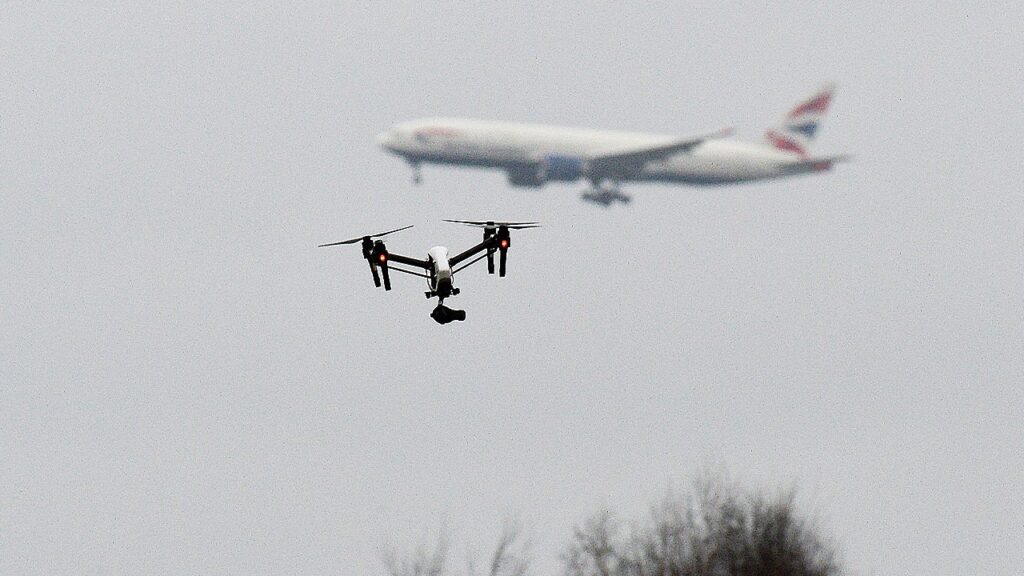
The use of drones by local authorities in the UK has skyrocketed, raising serious concerns about privacy and civil liberties among citizens. Recent data reveals that over 60 councils have now employed certified drone operators, and many more are planning to do so. This rapid expansion of drone usage has prompted watchdog groups to warn against potential unethical surveillance practices and the erosion of personal freedoms in a nation already marked by extensive CCTV monitoring.
| Article Subheadings |
|---|
| 1) Increase in Drone Usage by Local Authorities |
| 2) Concerns Over Surveillance and Civil Liberties |
| 3) Council Responses and Rationale |
| 4) Regulatory Oversight and Calls for Transparency |
| 5) Future Prospects and Ethical Considerations |
Increase in Drone Usage by Local Authorities
Recent data from the Civil Aviation Authority (CAA) indicates a significant uptick in the number of certified drone operators among local councils in the UK. Over 60 councils have reportedly hired personnel trained to operate aerial drones. Moreover, at least a dozen other councils are in the process of developing their own drone programs, further exemplifying this growing trend. As local governments increasingly adopt drone technology, they are likely exploring various operational uses that may extend beyond traditional applications.
However, experts caution that the actual figures could be even higher, as the CAA only tracks pilots supported by their employers. This has led to speculation about a potential underreporting of drone operators funded by taxpayers, raising concerns about unchecked expansion in the aerial surveillance landscape.
Concerns Over Surveillance and Civil Liberties
Watchdog organizations, notably Big Brother Watch, have voiced strong apprehensions about the implications of this drone proliferation for civil liberties. They argue that this development may lead to a culture of “spies in the sky,” where local authorities utilize drones to monitor everyday citizens without just cause. The group warns that establishing a climate of surveillance could further erode the already fragile privacy rights of individuals in a nation renowned for its extensive network of CCTV cameras.
Jake Hurfurt, head of research and investigations at Big Brother Watch, has expressed concerns that while drones can play a beneficial role in public safety—such as disaster monitoring or agriculture assessments—their deployment must be regulated to prevent abuse. He stated,
“Just because it’s possible, it does not mean it’s something they should do.”
Council Responses and Rationale
In response to the criticisms, councils have defended the adoption of drone technology as a means to enhance local governance and ensure public safety. Hammersmith and Fulham Council, for instance, plans to incorporate drones into its law enforcement operations in a bid to combat antisocial behavior. The council claims drones will assist in supplementing the existing staffing shortage in law enforcement while supporting CCTV initiatives directed at maintaining public order.
Additionally, Sunderland has emerged as a leader in this drone initiative with the largest known fleet among councils in the UK, operating 13 drones. These unmanned aerial vehicles are employed for various tasks, including crime detection, enforcing environmental regulations, and overseeing public gatherings. Other councils—including North West Leicestershire and Newcastle—report similar utilization of drones for monitoring planning compliance and public events.
Regulatory Oversight and Calls for Transparency
Critics are raising alarms not only about the potential for invasive surveillance but also about the lack of clear regulatory frameworks governing drone usage by local authorities. Hurfurt emphasizes the need for utmost transparency concerning the deployment criteria for drone technology. He believes councils must establish robust policies delineating when, how, and why drones can be utilized to ensure that they are not misused as tools of surveillance on lawful protesting or everyday activities.
Calls for greater oversight have gained momentum, with advocates pressing local governments to implement stricter regulations. The pressing need for boundaries around drone operations is underscored by fears of “mission creep,” wherein the drones initially employed for legitimate purposes could eventually be repurposed for wider surveillance of civilian life.
Future Prospects and Ethical Considerations
As drone technology continues to evolve, local authorities face an urgent need to navigate the complex balance between utilizing these tools for effective governance while safeguarding the civil rights of citizens. The future of drone deployment in the UK features significant ethical implications that must be addressed through comprehensive guidelines and public discourse.
The ongoing debate surrounding drone usage is expected to intensify as more councils launch their own aerial programs. Legal experts, civil rights activists, and local stakeholders will need to engage actively in developing informed frameworks that respect citizens’ rights while allowing for innovative public safety solutions.
| No. | Key Points |
|---|---|
| 1 | The UK has seen a rise in drone usage among local councils, with over 60 hiring certified drone operators. |
| 2 | Big Brother Watch raised concerns about potential privacy violations and civil liberties erosion due to unchecked drone surveillance. |
| 3 | Councils claim drones will assist in monitoring public safety and criminal activities, justifying their use. |
| 4 | Calls for greater regulatory oversight emphasize the need for clear guidelines on when and how drones can be deployed. |
| 5 | Public discourse on drone usage will likely expand as more councils develop their drone programs and associated policies. |
Summary
The rapid expansion of drone usage by local authorities in the UK presents complex challenges regarding civil liberties, ethical implications, and regulatory oversight. As councils increasingly employ aerial technology for governance, the balance between public safety and citizen rights remains crucial. Discussions surrounding transparency and accountability will be vital in determining the future trajectory of drone applications in local governmental operations.
Frequently Asked Questions
Question: Why are local authorities using drones?
Local councils are integrating drones into their operations to enhance public safety, monitor environmental concerns, and enforce local regulations more effectively.
Question: What are the primary concerns about drones used by councils?
The primary concerns include potential violations of privacy and civil liberties, as well as the risk of drones becoming tools for unwarranted surveillance of citizens.
Question: How are watchdog organizations responding to the rise in drone usage?
Watchdog groups, like Big Brother Watch, are calling for greater regulatory oversight and transparency to ensure that drones are not misused for intrusive monitoring of the public.