
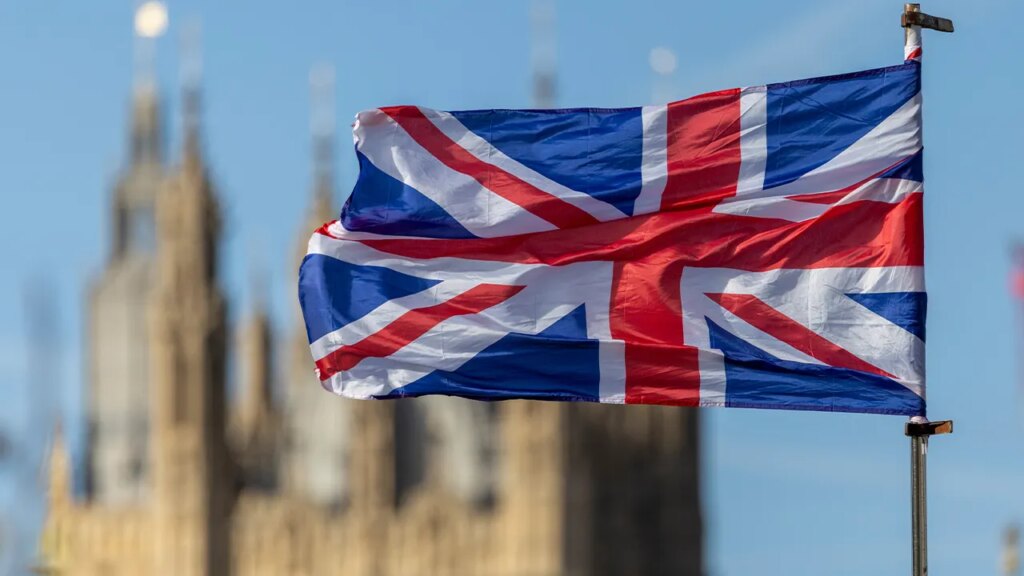
In a significant political development, U.S. President Donald Trump expressed his support for the unification of Ireland during his recent visit to Dublin. This stance comes amid growing calls from leaders in Scotland, Wales, and Northern Ireland for constitutional reforms that may alter the structure of the United Kingdom. The nationalist leaders articulated their intentions clearly, pushing for an end to what they view as outdated governance by Westminster, signaling a potential shift toward independence for these regions.
| Article Subheadings |
|---|
| 1) Trump Supports Irish Unification |
| 2) Response from UK Nationalist Leaders |
| 3) The Historical Context of Irish Relations |
| 4) Constitutional Change Calls |
| 5) Implications for the United Kingdom |
Trump Supports Irish Unification
During his visit to Dublin, President Donald Trump made headlines by proclaiming his support for a unified Ireland, suggesting that the merging of Northern Ireland and the Republic of Ireland is both inevitable and desirable. In his remarks, Trump stated,
“It’s going to happen eventually. It might as well happen now.”
This declaration has ignited discussions surrounding the future of Northern Ireland, which has long been a focal point of political tension amid differing national loyalties.
Trump reiterated this sentiment during a visit to Doonbeg, implying that the union of the two islands could be a natural progression. He remarked,
“It just seems to me that you have Northern Ireland and you have Ireland, and it would seem to me that one of the naturals of all time is to put them together.”
His comments came shortly after UK Prime Minister Andy Burnham ruled out any likelihood of a referendum on the matter.
Response from UK Nationalist Leaders
In response to Trump’s statement, leaders from Scotland, Wales, and Northern Ireland convened to reinforce their push for constitutional independence. They issued a joint declaration that emphasized the need for self-determination, declaring,
“Each of our nations has the right to determine its own future, through democratic means and in accordance with the wishes of its people.”
This statement, issued during a summit in Cardiff, advocates for a re-evaluation of Westminster’s authority over these regions.
The First Ministers—John Swinney of Scotland, Rhun ap Iorwerth of Wales, and Michelle O’Neill of Northern Ireland—collectively criticized the British government’s management of national affairs, claiming it no longer serves the interests of their governments or populations. They called for the UK government to prepare for constitutional changes aimed at facilitating these desires.
The Historical Context of Irish Relations
The history of Ireland and its relationship with the UK is complex and fraught with conflict, particularly surrounding territorial and national identity issues. Since the partition of Ireland in 1921, the distinction between Northern Ireland, which remained part of the UK, and the Republic of Ireland has led to ongoing debates about national unity and self-governance.
The Good Friday Agreement of 1998 marked a significant step towards peace, establishing a devolved government in Northern Ireland and fostering cooperative relationships among various political factions. However, recent developments—including Brexit—have reignited discussions about the borders and allegiances, with many arguing that the circumstances now favor the prospect of unification.
Constitutional Change Calls
The memorandum issued by the nationalist leader’s summit serves as a bold call to action, outlining their framework for pursuing greater autonomy. The document stipulates the need for the British government to facilitate discussions around constitutional change across all four nations of the UK, emphasizing equality among them.
O’Neill asserted the necessity of a unified stance against Westminster’s governance, arguing that its current authority cannot dictate the democratic wishes of the nations.
“We’re living in times of enormous change, change that is unstoppable,”
she stated, reinforcing the narrative that a transformative moment is at hand. The nationalists seek collaboration on various socio-political issues, including economic policies and environmental initiatives, which are seen as vital in fostering regional independence.
Implications for the United Kingdom
The recent developments in Ireland and the UK prompt an urgent reassessment of the political landscape. The nationalism resurgence reflects a broader sentiment that demands attention to regional aspirations and self-governance, potentially destabilizing the longstanding union that has defined the UK.
Prime Minister Burnham’s commitment to preserving the status quo may face significant challenges as the political pressures mount. A spokesperson noted, “The Prime Minister is committed to delivering change across all four nations of the United Kingdom and believes strongly in the Union.” However, the growing movement for self-determination indicates that his administration must navigate a complex array of regional priorities and concerns.
| No. | Key Points |
|---|---|
| 1 | President Trump supports Irish unification, claiming it is an inevitable outcome. |
| 2 | Scottish, Welsh, and Northern Irish leaders are advocating for independence from Westminster. |
| 3 | Historical context around Irish relations is crucial to understanding current sentiments. |
| 4 | Nationalist leaders have issued a memorandum calling for constitutional change and self-determination. |
| 5 | The UK’s political future hangs in the balance as regional aspirations clash with national governance. |
Summary
In conclusion, the remarks made by President Trump regarding Irish unification reflect a growing sense of momentum among nationalist leaders in the UK, who are increasingly vocal about their desire for autonomy. The joint declaration from Scotland, Wales, and Northern Ireland signals a shift towards seeking independence and reforming the governance structure of the United Kingdom. As political discussions unfold, the implications of these movements could reshape the future of national identities and relationships between these regions and Westminster.
Frequently Asked Questions
Question: What is the significance of Trump’s statements on Irish unification?
Trump’s support for Irish unification reflects a changing political landscape and could bolster efforts towards independence among nationalist groups in the UK.
Question: What are the main concerns of the nationalist leaders in Scotland, Wales, and Northern Ireland?
Nationalist leaders are concerned that Westminster’s governance does not adequately represent the interests of their regions and are advocating for constitutional changes that allow self-determination.
Question: How does the historical context of Ireland influence current political movements?
The historical context of the Ireland-UK relationship, particularly the events leading up to and following the partition, sets the stage for ongoing discussions about national identity and governance, impacting contemporary political sentiments.