
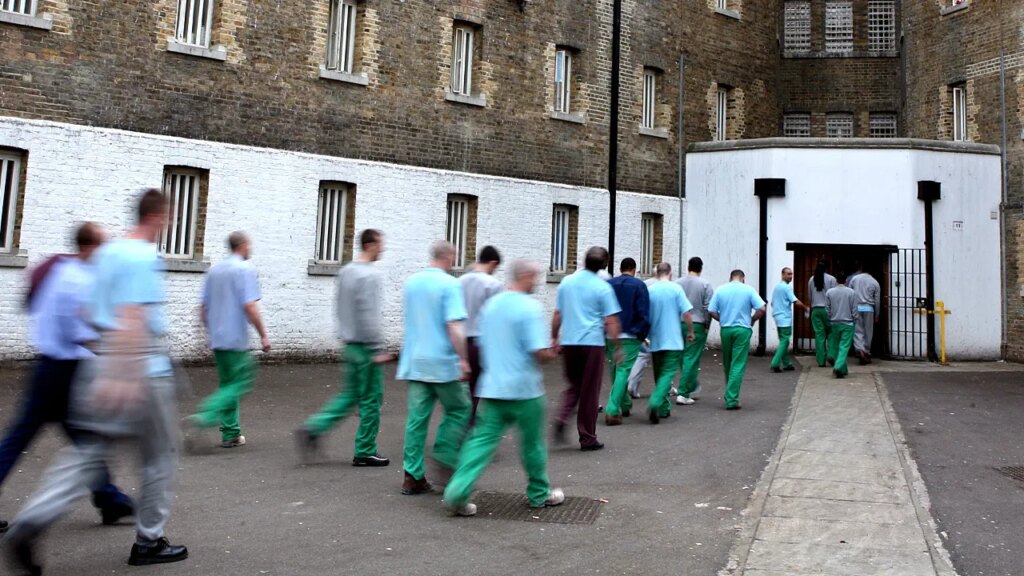
In recent reports, officials have highlighted a concerning trend within the United Kingdom’s prison system, where radical Muslim inmates are allegedly pressuring predominantly white British prisoners to convert to Islam. This issue, long discussed in media circles since 2013, raises questions about the growing influence of Islamic gangs within these facilities. Prominent voices, including Nick Timothy, the shadow justice secretary, have called for interventions to halt what they describe as forced conversions amidst rising tension and security risks in the nation’s jails.
| Article Subheadings |
|---|
| 1) Allegations of Forced Conversions in Prisons |
| 2) Calls for Government Action |
| 3) The Muslim Population in UK Prisons |
| 4) Reports from Officials on Extremism |
| 5) The Religious Climate in Prisons |
Allegations of Forced Conversions in Prisons
Reports from various sectors, including statements from regulatory bodies, have underscored an alarming phenomenon within the United Kingdom’s correctional facilities where inmates, allegedly part of radical Muslim factions, are coercing other prisoners into converting to Islam. These coercive methods reportedly target primarily white British inmates, who often feel compelled to comply to ensure their safety. Nick Timothy, who serves as the shadow justice secretary for the opposition Conservative Party, voiced concerns on social media platform X, highlighting that a worrying proportion of Muslim prisoners—one in five—are white, significantly exceeding their representation in the general population.
The discussion around forced conversions is not new; it echoes reports dating back to 2013 when media outlets began revealing the influence of Muslim gangs within prisons. Prison officers have noted these gangs pose an increasing challenge, sometimes using intimidation and violence to enforce their beliefs on vulnerable inmates. Observers have warned that the environment within prisons is increasingly dominated by certain ideological factions, creating a setting where conversion can be a matter of survival.
Calls for Government Action
In light of these allegations, Nick Timothy has called on the Labour government to take immediate action to investigate and eradicate forced conversions within the prison system. He emphasizes the need for a clear response to what he describes as a growing problem of Islamist gangs exerting control over vulnerable prisoners. “Conversion to Islam is the only way to stay safe from them,” he stated. Timothy’s urgency reflects a wider concern regarding prison safety and the implications of radicalization in correctional facilities.
While the Ministry of Justice has responded, asserting that most prisons do not display signs of gang-related extremism, skeptics contend that these reassurances lack tangible evidence of meaningful oversight. Nile Gardiner, director of the Margaret Thatcher Center for Freedom, has openly criticized the government’s current stance, stating that the situation poses not only a significant national security threat but also reflects a failure in managing prison dynamics. Gardiner asserts that immediate and decisive actions are required to confront what he perceives as a systemic issue of radicalization within the walls of the nation’s jails.
The Muslim Population in UK Prisons
Current statistics reveal that Muslim prisoners now constitute approximately 18% of the prison population, a stark contrast to their representation in the general population, which is about 6.5%. Experts argue that the increase is reflective of wider trends in immigration and integration policies. Nile Gardiner attributes this spike largely to flawed immigration policies that he claims have led to an influx of Islamic migrants into the UK, which he argues correlates directly with rising concerns around crime and public safety.
Data presented by Jonathan Hall, an independent reviewer of terrorism legislation, further elucidates the dynamics within British prisons. Hall has documented instances whereby certain factions, comprised of Islamist terrorists, have adopted roles akin to gang leaders, referred to as “self-styled emirs.” Such dynamics reportedly extend to the recruitment and radicalization of both new and existing inmates, fostering an atmosphere of fear and compliance surrounding those unsure of how to navigate their identity within the prison context.
Reports from Officials on Extremism
The Ministry of Justice has publicly maintained that the prison system does not tolerate any form of intimidation, gang activity, or faith-based coercion. A spokesperson reiterated that high-security protocols are in place to mitigate threats across the prison estate; however, critics contend that execution of these protocols remains insufficient. Furthermore, as highlighted in the independent review led by Colin Bloom, there are deep-rooted issues regarding the observance—and potential exploitation—of religious affiliations among prisoners.
The Bloom report emphasizes that failure to identify as a Muslim can expose incoming prisoners to violence and intimidation, reinforcing the prevailing dominance of Muslim gangs. The review indicates that the prison environment is significantly distinct from the outside world in terms of religious engagement, with a notable increase in conversions to Islam being cited—a phenomenon many officials regard as a cause for alarm.
The Religious Climate in Prisons
The narrative surrounding religious conversion has drawn attention to the complex nature of faith in prison. It is suggested that imposition of belief systems, particularly Islam, is not merely a result of genuine spiritual searching, but a compulsion born out of a desire for protection and community in a challenging environment. Experts like Bloom reflect on how this climate can create opportunities for coercive practices, such as inmates receiving Korans upon arrival, accompanied by implicit threats of violence.
In light of increasing reports of organized extremist behavior, prison chaplains and authorities must reconcile the need for genuine spiritual support with the risks posed by aggressive and dominating factions within their wards. The evolving landscape of religious engagement within prisons, characterized by intimidation and the potential for cult-like dynamics, underscores the urgent need for reform and increased oversight of religious practices in correctional institutions.
| No. | Key Points |
|---|---|
| 1 | Radical Muslim inmates are reportedly coercing predominantly white British prisoners to convert to Islam. |
| 2 | Calls for governmental intervention have emerged to address the growing influence of Islamist gangs in prisons. |
| 3 | Muslim prisoners represent about 18% of the prison population compared to 6.5% in the general population. |
| 4 | Official reports characterize most prisons as devoid of gang-based extremism, despite opposing views from experts. |
| 5 | The climate for religious conversion in prisons is seen as coercive rather than purely spiritual. |
Summary
The situation unfolding in UK prisons concerning forced conversions to Islam among radicalized inmates reflects a complex intersection of religious belief, personal safety, and systemic failure. As authorities grapple with the implications of increasing radicalization and influence of Muslim gangs, the need for a comprehensive review and reform of prison policies has never been clearer. This emerging issue extends beyond mere prison reform, tapping into broader questions of national security, community safety, and social cohesion. Tackling these challenges effectively requires decisive action, transparent accountability, and a commitment to safeguarding the welfare of all individuals within the prison system.
Frequently Asked Questions
Question: What are the implications of forced conversions in prisons?
Forced conversions in prisons pose significant challenges to the safety and rehabilitation of inmates, raising concerns about the influence of radicalized groups over vulnerable populations and the broader security implications for society at large.
Question: How does the UK government respond to claims of extremism in prisons?
The UK government claims to have measures in place to manage and mitigate gang-related extremism in prisons, though critics argue that these measures need to be more rigorously enforced and examined.
Question: What role do prison chaplains play in the current issues surrounding religious conversion?
Prison chaplains must navigate the complexities of providing spiritual support while recognizing the potential for coercive practices surrounding religious conversions, requiring a balance of compassion and vigilance.