
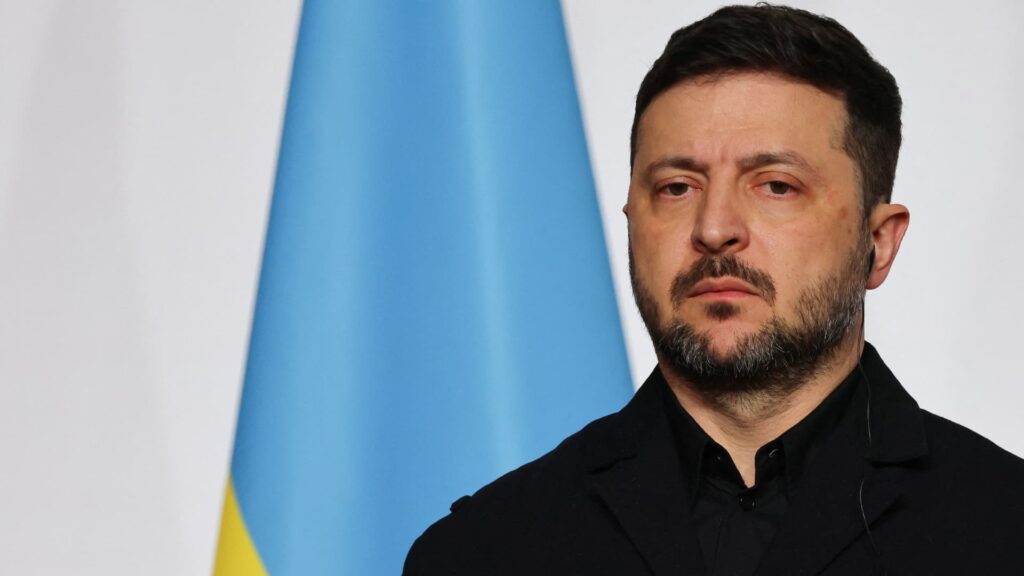
Ukrainian President Volodymyr Zelenskyy has announced a resumption of attacks on Russian energy infrastructure, citing Moscow’s failure to adhere to an “energy ceasefire” agreement previously proposed by former President Donald Trump. After a brief pause in missile strikes facilitated by Washington’s request, Ukraine is now refocusing on its military response against Russian assets. Compounding the situation, disruptions to Starlink connectivity services, which have impacted Ukraine’s military operations, are raising concerns about the availability of vital communications in the face of ongoing hostilities.
| Article Subheadings |
|---|
| 1) Resumption of Attacks on Energy Infrastructure |
| 2) Implications of the Starlink Disruptions |
| 3) Political Ramifications of the Energy Ceasefire |
| 4) Global Reactions to Ukraine’s Situation |
| 5) The Future of Ukraine’s Military Strategy |
Resumption of Attacks on Energy Infrastructure
Following a temporary halt supported by U.S. officials, Ukraine’s President Volodymyr Zelenskyy stated that the ceasefire agreement regarding energy infrastructure is no longer in effect. The pause, which lasted for three days, was initially intended to provide a moment of respite amid ongoing conflicts, yet it appears to have been disregarded by Russia. The agreement’s breakdown has incited renewed military action from Ukraine, particularly against Russian energy facilities. Zelenskyy indicated that Ukraine will once again target these critical infrastructures, a move largely viewed as a necessary response to ongoing Russian aggression. This marks a pivotal point in the conflict as Ukraine recalibrates its military strategy to safeguard its energy resources.
Implications of the Starlink Disruptions
Disruptions to the Starlink communications service have emerged as a critical challenge for Ukraine’s military operation. The satellite internet service, which is crucial for maintaining communication among troops and coordinating attacks, has been reportedly limited without prior notification to Ukrainian defense forces. Commenting on this development, Serhii Beskrestnov, an adviser to President Zelenskyy, expressed concerns that the action taken by SpaceX could pose an existential threat to military efficacy. Describing the limitations imposed on Starlink terminals as “a speed limit,” he suggested the actions are politically motivated, possibly tied to the ongoing conflict and geopolitical instability. Starlink, operated by SpaceX, has historically been a vital asset for Ukraine, enabling real-time operational communications critical to its defense against Russian advances.
Political Ramifications of the Energy Ceasefire
The political ramifications of the recent energy ceasefire have raised questions about international diplomacy and trust among allies. After the proposal was initially put forth by former President Trump, Ukraine complied with a brief duration of peace, effectively refraining from military actions against enemy energy assets. However, Zelenskyy later articulated feelings of betrayal, claiming that Russia unilaterally violated the ceasefire while Ukraine upheld its commitment. His remarks to media outlets reveal a deep concern for the future of Ukraine’s strategic partnership with the United States, as trust in U.S. diplomatic interventions is questioned. The apparent failure of the energy ceasefire demonstrates the complexities of managing such agreements in a volatile military landscape, ultimately leading to further insecurity and unpredictability in Ukrainian defense against Russian aggression.
Global Reactions to Ukraine’s Situation
The international community has reacted with a mix of concern and condemnation regarding the latest developments in Ukraine. Analysts speculate that the breakdown of the ceasefire and the ensuing continuation of hostilities will likely exacerbate tensions not only in the region but also globally. Throughout international diplomatic channels, calls for renewed peace talks have intensified, with various nations reflecting on the dire humanitarian impact of Russian attacks on Ukraine’s energy infrastructure. Reports suggest that those in Washington are analyzing the implications of further U.S. involvement or support to Ukraine, particularly in the realm of military aid or energy resources. There’s increasing attention being paid to the ripple effects of the conflict on global energy prices, which remain precarious amid escalating disputes between Russia and Ukraine.
The Future of Ukraine’s Military Strategy
As the conflict escalates, Ukraine’s military strategy appears to be evolving rapidly in response to obstacles faced on multiple fronts. With Russia launching aggressive missile attacks on critical energy installations, the Ukrainian government is likely to shift its focus towards more offensive tactics to defend its interests. Ongoing communications challenges caused by Starlink disruptions will demand innovative solutions, perhaps leading to greater reliance on alternative methods of communication and intelligence gathering. Additionally, the political fallout from diplomatic efforts concerning energy ceasefires may mandate enhanced military readiness, as Ukraine seeks to guard against potential escalations from Russia. As military operations advance, experts predict potential strategic alliances with other nations may form, as alliances in defense and technology become increasingly important in a time of crisis.
| No. | Key Points |
|---|---|
| 1 | Ukraine resumes targeted attacks on Russian energy infrastructure. |
| 2 | Starlink connectivity disruptions raise concerns over military effectiveness. |
| 3 | Political backlash prompted by the breakdown of the energy ceasefire. |
| 4 | International community’s reaction reflects heightened global tensions. |
| 5 | Future military strategies may evolve as Ukraine responds to challenges. |
Summary
The recent developments surrounding Ukraine’s military strategy and the energy ceasefire reflect significant shifts in the ongoing conflict with Russia. President Zelenskyy’s decision to resume attacks showcases the rising stakes as diplomatic negotiations falter. Coupled with disruptions to crucial military communication through Starlink, Ukraine faces increasing hurdles in defending its sovereignty. As the international community monitors these developments, the geopolitical landscape continues to evolve, posing profound implications for Ukraine and the future of its strategic alliances.
Frequently Asked Questions
Question: What led Ukraine to resume its attacks on Russian energy infrastructure?
Ukraine has resumed its attacks after concluding that Russia violated a proposed energy ceasefire agreement which had been temporarily accepted by Ukraine for three days. President Zelenskyy stated that the breakdown of the ceasefire left Ukraine with no option but to resume its military operations.
Question: How has the Starlink disruption affected Ukraine’s military operations?
Disruptions to the Starlink service have significantly hampered Ukraine’s military communications, leading to concerns that military operations and coordination among troops are being adversely affected. The limitations on Starlink terminals without prior notification have resulted in operational challenges for Ukrainian forces.
Question: What are the potential future implications of the conflict for Ukraine?
The ongoing conflict is likely to compel Ukraine to adapt its military strategies, focusing on increasingly offensive operations to counteract Russian aggression. Additionally, the geopolitical instability may foster new strategic alliances as Ukraine navigates its defense and aims to reinforce its military capabilities in the face of external pressures.