
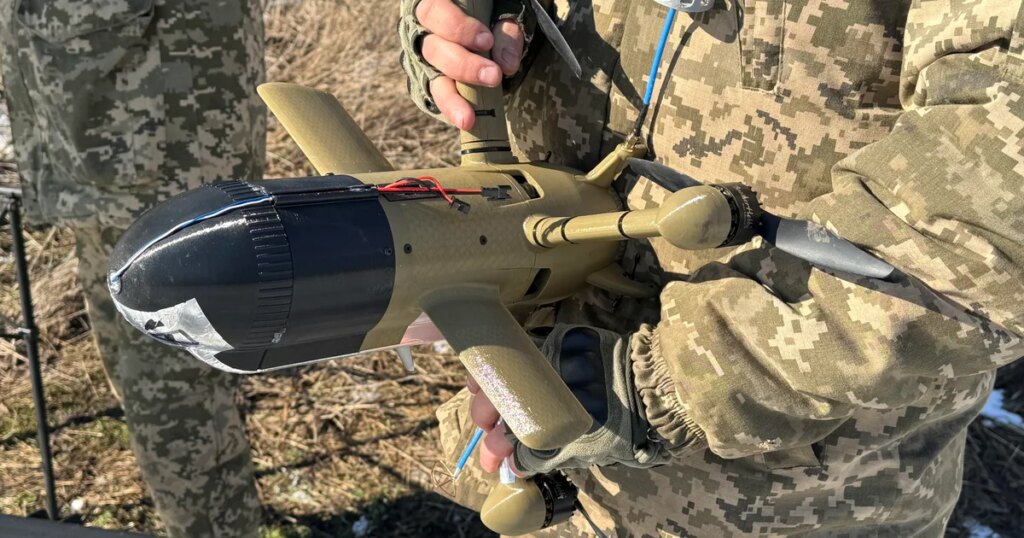
Kyiv is set to take a significant step in its defense partnership with the United States, as President Volodymyr Zelenskyy prepares to ink a landmark drone defense agreement. This deal, which aims at bolstering Ukraine’s defense technology capabilities, is expected to be signed during the upcoming United Nations General Assembly in New York City, although its finalization may be delayed. Amid ongoing conflicts, the collaboration between the two nations underscores the urgent need for advanced defense mechanisms against evolving threats, particularly from Iran and Russia.
| Article Subheadings |
|---|
| 1) The Framework of Cooperation |
| 2) Lessons from Recent Conflicts |
| 3) Strategic Importance of Drones |
| 4) Educational Exchange of Defense Knowledge |
| 5) Future Prospects for Defense Partnerships |
The Framework of Cooperation
In recent engagements, officials from Ukraine and the United States have been developing a structured framework for defense collaboration. This initiative aims to facilitate extensive testing and production of Ukrainian defense technologies on U.S. soil. Such a move highlights the growing recognition of Ukraine’s capabilities and the potential benefits for American military operations. The framework’s inception was largely prompted by escalating threats from adversaries utilizing similar technology, prompting a re-evaluation of defense relationships in the region.
The backdrop of this agreement is deeply interwoven with Ukraine’s experiences in combat situations. The ongoing conflict has illustrated not only the need for effective defensive measures but also the benefits of harnessing localized technological capabilities. Defense experts have underscored the importance of creating adaptable defense frameworks that can respond rapidly to emerging threats. By embracing these collaborative agreements, the U.S. aims to ensure that it remains at the forefront of technological advancements in military strategies.
Lessons from Recent Conflicts
The ongoing war with Iran has imparted critical lessons regarding the nature of modern warfare that officials are now recognizing. At the start of this conflict, Iranian forces effectively targeted U.S. military installations across the Middle East using Shahed one-way attack drones. This situation is particularly alarming for American defense strategists because Russia has been employing similar tactics in its attacks against Ukrainian cities.
To contend with these threats, the U.S. has sought assistance from Ukraine, relying on its expertise to tackle the drone warfare challenge. This collaboration demonstrates the value of shared knowledge and technological innovation in combat scenarios. As a response to the Iranian threat, discussions regarding increased drone production capabilities have become a priority among U.S. officials. This reflects a broader recognition of the fluid dynamics of modern military engagements shaped by technology’s rapid evolution.
Strategic Importance of Drones
Drones have emerged as a critical component of contemporary military strategy, capable of carrying out both surveillance and offensive campaigns. Ukraine’s military has notably capitalized on drone technology, which is increasingly recognized for its cost-effectiveness and operational flexibility. The collaboration between Ukrainian and U.S. forces is expected to expand not only the technological base but also the strategic capabilities of both nations.
According to experts, Ukraine’s advantage is not solely attributed to its hardware but rather its operational acumen in drone deployment. This nuanced approach encompasses the software, trained personnel, and adaptable strategies essential for effective drone utilization in warfare, which further enhances the operational impact compared to mechanical capabilities alone. As the Ukrainian military strives to ramp up production to an ambitious target of 10 million drones in the next year, it presents opportunities for the U.S. military to incorporate these innovations into its existing frameworks.
Educational Exchange of Defense Knowledge
A significant component of the drone defense deal will focus on the transfer of operational knowledge from Ukraine to the United States. The understanding that accompanies technology is paramount; it informs how effectively equipment is utilized in a real-world combat environment.
“There is a sort of a misconception that you just buy the tech and somehow it’s going to work,”
said a venture capital expert familiar with defense technologies.
The intricacies involved in drone operations, including effective communication protocols between operators, mission planning, and environmental assessment, are essential for success in combat scenarios. With increasing reliance on technology, fostering a learning environment where both countries can thrive through knowledge sharing will serve to fortify their defense mechanisms against sophisticated threats.
Future Prospects for Defense Partnerships
Looking ahead, the potential for expanding defense partnerships between Ukraine and the U.S. appears promising. The proposed drone defense deal is anticipated to create a broader framework that allows major Ukrainian defense firms to collaborate directly with the U.S. military. This initiative ultimately aims at enhancing defense procurement practices, enabling the United States to access advanced technologies developed in Ukraine.
The urgency of adapting to new battlefield scenarios has compelled U.S. officials to rethink military standards and practices. The announcement of the U.S. Drone Dominance Program illustrates this pivot, as it incentivizes both American and select foreign entities, including Ukrainian companies, to tender bids for military contracts. The aim is to substantially bolster the U.S. drone arsenal by purchasing more than 200,000 drones by 2027, thereby enhancing national defense capabilities.
| No. | Key Points |
|---|---|
| 1 | A landmark drone defense deal between Ukraine and the United States is on the verge of being signed. |
| 2 | The collaboration aims to enhance the testing and production of Ukrainian defense technology in the U.S. |
| 3 | Yoga ground realities illustrate the need for a sophisticated understanding of drone warfare. |
| 4 | Transfer of operational knowledge is crucial to maximize the effectiveness of drone technology. |
| 5 | The U.S. Drone Dominance Program seeks to procure over 200,000 drones by 2027 and includes partnerships with foreign companies, notably Ukrainian ones. |
Summary
The anticipated drone defense deal between Ukraine and the United States marks a significant shift in military collaboration amidst ongoing threats in the region. By focusing on mutual support in defense technologies and operational strategies, both nations aim to enhance their capabilities against adversaries utilizing advanced drone strategies. This partnership not only seeks to increase the arsenal but also fosters an environment where knowledge transfer can amplify the effectiveness of technology in combat scenarios.
Frequently Asked Questions
Question: What is the significance of the drone defense deal?
The drone defense deal aims to strengthen collaboration between Ukraine and the U.S. in defense technology, particularly focusing on drone production and operational expertise.
Question: How does Ukraine’s experience with drones influence U.S. military strategy?
Ukraine’s operational experience with drone warfare provides valuable insights into effectively deploying drone technology, which can inform U.S. military strategies and enhance their response capabilities.
Question: What does the U.S. Drone Dominance Program entail?
The U.S. Drone Dominance Program invites both American and select foreign companies to compete for military drone contracts, aiming to significantly increase the U.S. military’s drone capabilities by procuring over 200,000 drones by 2027.