
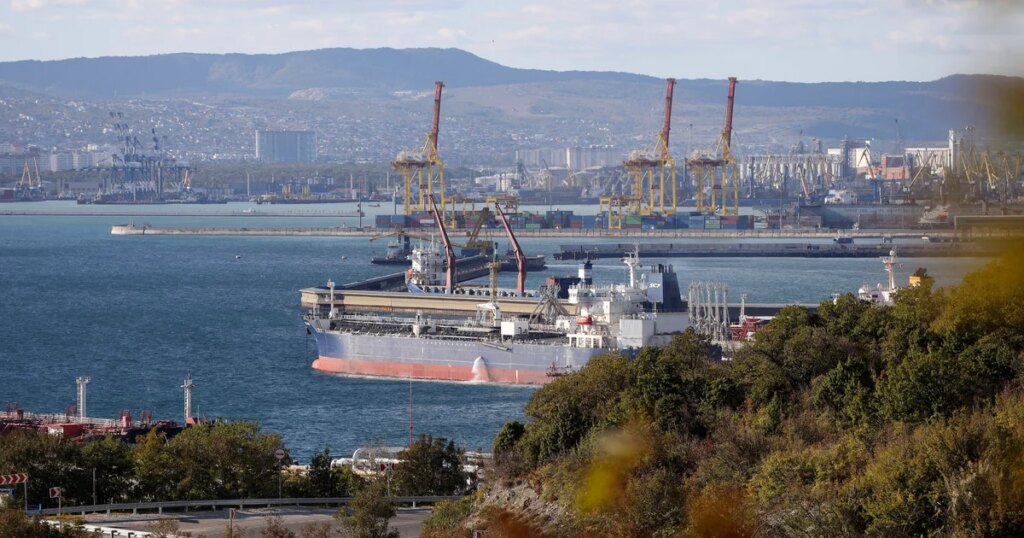
In a significant escalation of its campaign against Russian maritime operations, Ukraine has conducted attacks on several oil tankers off the coasts of Turkey and West Africa. These operations, part of a broader strategy to undermine Russia’s ability to fund its ongoing military efforts, follow appeals from Ukrainian President Volodymyr Zelenskyy for enhanced action against vessels tied to Moscow evading sanctions. As intelligence sources indicate, these recent strikes mark a strategic extension of Ukraine’s prior military engagements against Russian assets, particularly those facilitating oil transport.
| Article Subheadings |
|---|
| 1) Overview of Ukraine’s Maritime Campaign |
| 2) Key Operations Against Oil Tankers |
| 3) The Situation with the Tanker Kairos |
| 4) Developments Concerning the Mersin |
| 5) Broader Implications of the Attacks |
Overview of Ukraine’s Maritime Campaign
In recent months, Ukraine has intensified its efforts to disrupt Russian operations on the seas, particularly in relation to the so-called shadow fleet. This term refers to vessels that have been sanctioned by the U.S. and Europe due to their roles in facilitating the export of Russian oil and the transportation of stolen Ukrainian resources. The escalation follows President Volodymyr Zelenskyy‘s appeal to Western allies to bolster their response to these maritime assets, which are integral to Russia’s continued funding of military activities against Ukraine.
The Ukrainian military and intelligence community have been closely monitoring these vessels, which typically operate under different flags to obscure their Russian ties. In October, President Zelenskyy emphasized the need for enhanced intelligence sharing and operational coherence among allied nations to thwart Russian efforts effectively. These developments come against a backdrop of increasing violations of international sanctions by vessels purportedly linked to Russian interests.
Key Operations Against Oil Tankers
Recent reports indicate that Ukrainian forces have initiated a series of strikes against oil tankers operating outside Russian territorial waters, targeting vessels that are part of the shadow fleet. The maritime operations have involved the use of advanced naval drones—specifically, the Sea Baby models—to inflict damage on these vessels. One such attack occurred at the end of November when the sanctioned tankers Kairos and Virat were struck.
The action was a joint initiative between the Security Service of Ukraine (SBU) and the Ukrainian Navy, designed to dismantle Russia’s financial support for its military endeavors. An anonymous source from the SBU remarked, “The SBU continues to take active steps to curtail Russia’s financial capabilities to wage war against Ukraine,” highlighting the ongoing commitment to maritime defense.
The Situation with the Tanker Kairos
As of December 5, 2023, the oil tanker Kairos has been stranded off the coast of Bulgaria after it was reported that a Turkish tugboat, which was towing the vessel, became detached from it in Bulgarian waters. Reports from the state-owned Bulgarian news agency BTA confirmed the drone attacks on the Kairos and indicated that the tanker was left without power or heat, exacerbating the risks posed to its crew.
Given the proximity of the attack to the Bulgarian coast, the Bulgarian Navy attempted to airlift several crew members to safety. However, adverse weather conditions have hindered efforts to salvage the tanker, which is considered a significant risk given its cargo of oil potentially valued at around $70 million. The operation underscores the operational challenges faced by Ukraine and its allies in dealing with Russian maritime assets amid an ongoing conflict.
Developments Concerning the Mersin
Simultaneously, reports emerged regarding another tanker, the Mersin, which faced a series of explosions while anchored off the coast of Senegal. The crew was successfully rescued, confirming the absence of immediate navigational hazards, yet the vessel continues to pose environmental risks due to the approximately 30,000 tons of diesel still held on board.
The Mersin had previously departed from a Russian port and subsequently anchored near Senegal in late September. Despite not being sanctioned by the U.S., the tanker is associated with operators engaged in risky oil transfers, as highlighted by sanctions monitoring organizations.
Video footage circulating on social media appears to document the Mersin sinking, further complicating the situation. As the maritime landscape continues to evolve, the management of Mersin’s situation remains a priority for international maritime authorities and African nations.
Broader Implications of the Attacks
The ramifications of Ukraine’s maritime offensive extend beyond immediate naval engagements. European nations have increasingly expressed concerns regarding hybrid warfare tactics employed by Russia, including the unauthorized use of drones in airspace across the continent and sabotage operations impacting infrastructure and maritime security.
Warnings about potential drone incursions have escalated, coinciding with high-profile visits by international leaders, potentially indicating a broader strategic objective underpinning Russia’s maritime actions. As countries grapple with the shadow fleet’s implications, robust joint responses become critical.
Moreover, the sustained pressure on Russia’s oil transport capabilities is aimed at eroding funding sources for its military actions, contributing to the overarching goal of destabilizing its strategic operations globally. Yet, the path forward remains fraught with challenges, including the need for coherent operational tactics among Western allies.
| No. | Key Points |
|---|---|
| 1 | Ukraine has intensified its campaigns against Russian oil tankers operating outside territorial waters. |
| 2 | Targeting of vessels is part of the broader strategy to undermine Russia’s funding for military operations. |
| 3 | The Kairos and Mersin tankers have been notably affected, with significant environmental and financial implications. |
| 4 | Maritime operations involve advanced technology and joint tactics by Ukrainian military and intelligence agencies. |
| 5 | The actions taken by Ukraine reflect wider geopolitical tensions and hybrid warfare strategies across Europe. |
Summary
The growing maritime operations by Ukraine signal a critical turning point in its ongoing conflict with Russia. By targeting the shadow fleet and disrupting oil supply chains linked to the Kremlin, Ukraine aims not only to weaken Russia’s military capabilities but to send a decisive message to its allies regarding its commitment to the defense of national sovereignty. As these operations unfold, the international community remains watchful, recognizing the broader implications for regional security and economic stability.
Frequently Asked Questions
Question: What is the shadow fleet?
The shadow fleet refers to vessels that evade international sanctions against Russia by operating under different flags, facilitating the transport of Russian oil and other resources.
Question: What role do naval drones play in Ukraine’s maritime strategy?
Naval drones, such as the Sea Baby models, are utilized by Ukraine to conduct precision strikes against identified targets, notably oil tankers linked to Russian interests, thereby disrupting their operations and funding sources.
Question: How are international sanctions affecting Russian operations?
International sanctions have severely restricted Russia’s maritime capabilities, compelling the Kremlin to rely on clandestine operations facilitated by the shadow fleet to sustain its oil exports and military funding.