
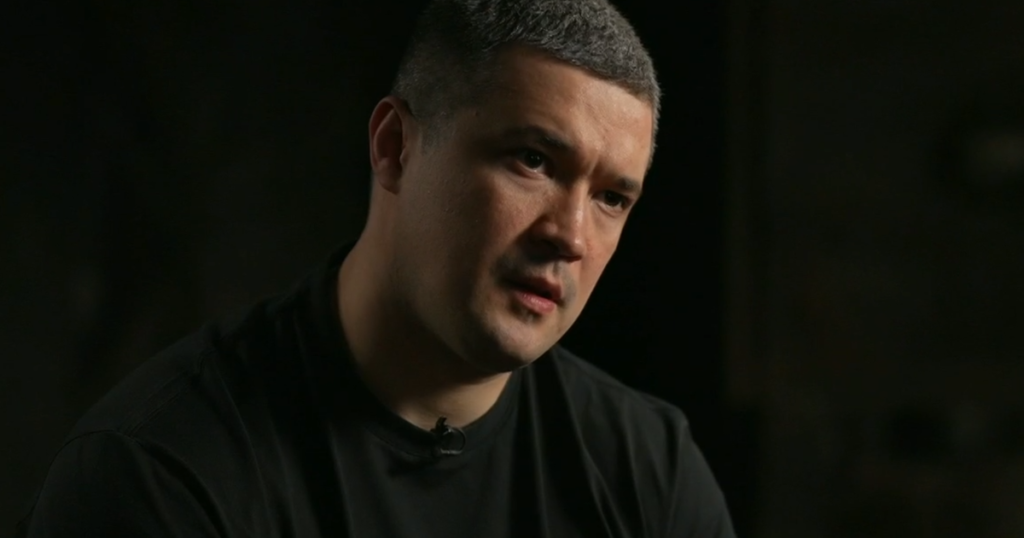
Ukraine’s former Defense Minister, Mykhailo Fedorov, recently advocated for holding elections despite the country’s ongoing conflict with Russia. This call represents the most significant challenge to the authority of President Volodymyr Zelenskyy since the onset of the war. The situation arises against the backdrop of martial law enacted by Zelenskyy, which currently prohibits elections, asserting that democracy cannot be compromised even in wartime.
| Article Subheadings |
|---|
| 1) The Call for Elections |
| 2) Background on Martial Law |
| 3) Fedorov’s Political Relevance |
| 4) Challenges of Conducting Elections During War |
| 5) Public Reception and Future Implications |
The Call for Elections
During a video address shared on YouTube, Mykhailo Fedorov articulated the necessity for democratic processes to be maintained, even amidst a prolonged conflict. He stated unequivocally,
“Democracy cannot be held hostage by Russia.”
Fedorov urged the establishment of a “legal, safe, and realistic mechanism” that would facilitate the restoration of democratic norms in Ukraine, stressing the importance of the nation’s identity as a free European state. His call for elections signals a desire for political stability and accountability, which some argue is crucial for Ukraine’s democratic future, despite ongoing military challenges.
Background on Martial Law
In the wake of Russia’s invasion of Ukraine in February 2022, President Volodymyr Zelenskyy enacted martial law, a move that has restricted various civil liberties including the holding of elections. This legislative maneuver was deemed necessary by the government to maintain order and focus on the war effort. The decision, however, has drawn criticism as it effectively stifles democratic participation during a time when the nation faces significant threats. Advocates for democracy within the country argue that the restrictions on civil rights could lead to an erosion of the public’s ability to shape governance. The martial law regime remains a contentious issue as it directly contradicts the foundational principles of democracy that the Ukrainian populace has long championed.
Fedorov’s Political Relevance
Until recently, Fedorov played a critical role in shaping Ukraine’s defense strategy, particularly known for implementing advanced technologies such as drones to counter the Russian military’s advantages. His removal from the ministerial post in July sparked widespread protests, indicating his significant support among the public. Many viewed his dismissal as an unjustified political maneuver rather than a strategic necessity, reflecting a broader dissatisfaction with the current leadership’s decisions during the war. As the war intensifies, his calls for elections may resonate more strongly with the populace, highlighting a yearning for inclusivity in governance. Fedorov’s reputation as a capable leader in warfare positions him favorably should elections occur, and his stance evolving to include a return only as defense minister positions him as a potential key player in Ukraine’s future political landscape.
Challenges of Conducting Elections During War
Fedorov acknowledges the myriad challenges that conducting elections during an ongoing conflict presents. The logistics of ensuring that all citizens, including armed forces and those displaced by the fighting, have the opportunity to cast their votes would require meticulous planning and resource deployment. He remarked,
“This is complex… But complexity does not mean impossibility.”
Key obstacles include securing polling locations, the safety of voters, and the integration of technology to facilitate remote voting or other mechanisms to include those who cannot access traditional voting sites. Therefore, while Fedorov is advocating for elections, he is also realistic about the multifaceted issues that need addressing to make such a procedure feasible in wartime.
Public Reception and Future Implications
The public’s response to Fedorov’s calls for elections appears overwhelmingly positive, underlining a robust demand for democracy even under arduous circumstances. Numerous protests erupted in July following his ousting, showcasing the people’s commitment to democratic ideals. Supporters view Fedorov’s push for elections as a clear indication of the desire for transparency and accountability within the government. Furthermore, it poses prospective implications for the current leadership of Zelenskyy, particularly as discontent grows among citizens regarding governance in wartime. As such, Fedorov’s rhetorical stance may not only energize civil resistance but also compel the administration to reconsider the long-term implications of maintaining a martial law framework that stifles democratic engagement.
| No. | Key Points |
|---|---|
| 1 | Former Defense Minister Mykhailo Fedorov calls for elections amidst ongoing conflict with Russia. |
| 2 | Martial law enacted by President Zelenskyy prohibits elections and restricts civil liberties. |
| 3 | Fedorov’s dismissal led to significant protests, indicating his popularity and political relevance. |
| 4 | Fedorov acknowledges complexities involved in conducting elections during wartime. |
| 5 | Public support for Fedorov’s call suggests a strong desire for democracy in Ukraine. |
Summary
The call for elections amidst the ongoing conflict by former Defense Minister Mykhailo Fedorov raises crucial questions about the future of democracy in Ukraine. His plea highlights the intersection of military necessity and democratic values, urging the government to consider the will of the people. As the landscape of governance in wartime evolves, the capacity and willingness of leaders to accommodate democratic processes will determine the long-term viability of Ukraine’s political climate.
Frequently Asked Questions
Question: Why did Fedorov call for elections now?
Fedorov believes that democracy should not be sidelined during wartime and insists that a legal mechanism must be established to allow elections despite the ongoing conflict.
Question: What challenges does Ukraine face in holding elections during the war?
Some of the challenges include ensuring the safety of voters, managing logistical concerns like polling site security, and ensuring that remote voters, including those displaced or in active combat zones, can participate.
Question: What does the public think about Fedorov’s call for elections?
The public has generally responded positively to Fedorov’s appeal, reflecting a strong support for democratic governance even in challenging times, evidenced by protests against his removal from office.