
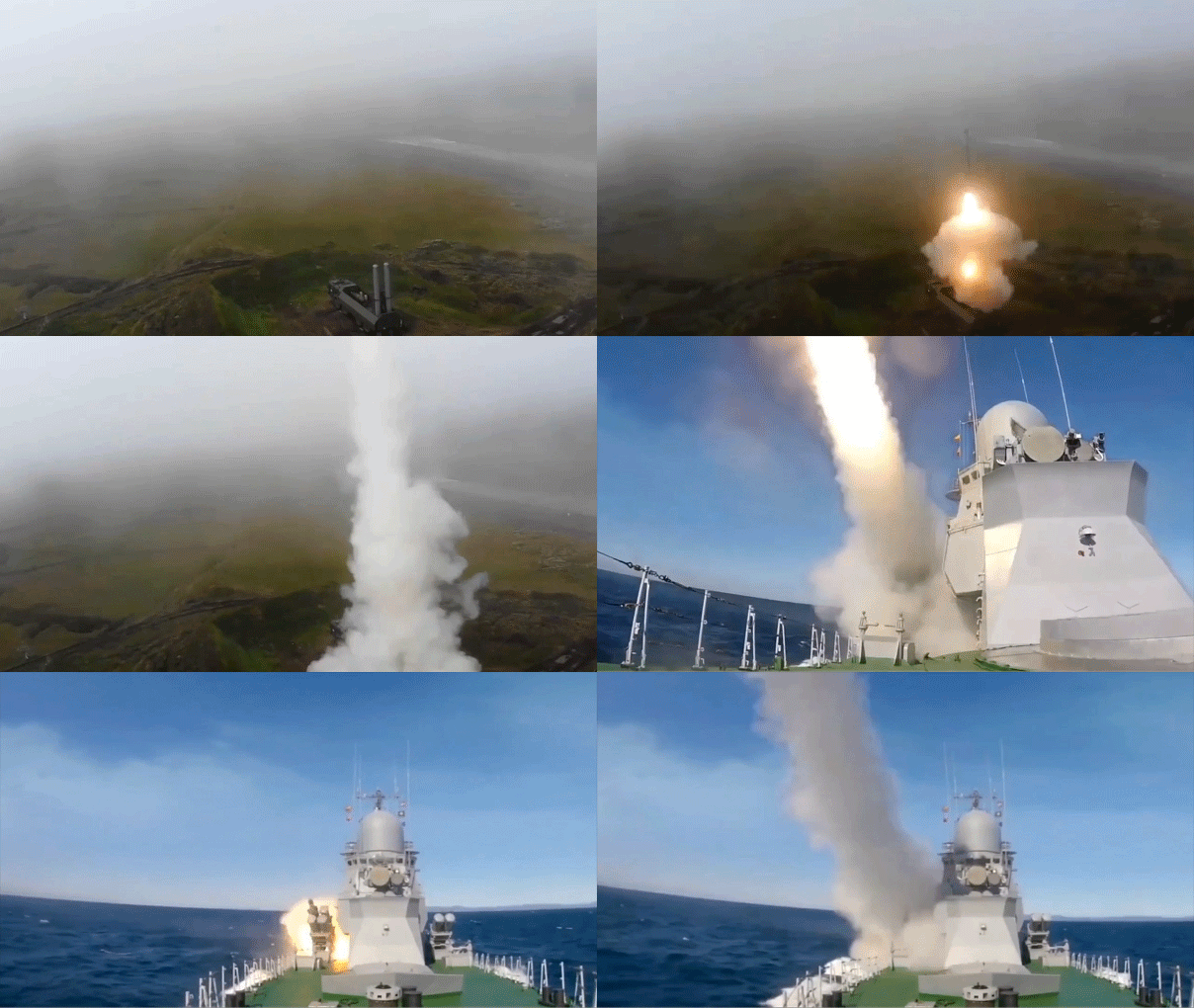
Tensions between Ukraine and Russia escalated this week as Ukraine launched a significant drone attack on the Black Sea port city of Novorossiysk, targeting Russian naval and commercial interests. In response, Russian President Vladimir Putin issued a stern warning to European nations, threatening to seize their vessels should they proceed with sanctions against Russian merchant ships. Analysts believe this rapid development signifies an intense escalation in naval conflict between the two countries, extending beyond the conventional battlefield to critical maritime routes.
| Article Subheadings |
|---|
| 1) Ukraine’s Major Drone Attack on Novorossiysk |
| 2) Russia’s Threat to European Vessels |
| 3) Broader Implications for Maritime Security |
| 4) Economic Repercussions of the Conflict |
| 5) NATO’s Response to Growing Tensions |
Ukraine’s Major Drone Attack on Novorossiysk
On August 12, 2026, Ukraine intensified its military action against Russia by launching a successful drone attack targeting Novorossiysk, a strategic port on the Black Sea. This operation aimed to disrupt Russian naval operations and thwart grain exports. Ukrainian President Volodymyr Zelenskyy announced the successful strikes, claiming responsibility for targeting the “last major stronghold of the Russian fleet in the Black Sea.” The attack reportedly involved advanced technologies, including Palianytsia jet-powered drones and Neptune missiles.
The overnight assault severely impacted two vital grain terminals at the port, essential for the export of grains, which have been a central point in Ukraine’s economy. Russian media sources indicated significant damage to infrastructure, impacting not just military assets but also civilian facilities. Local authorities reported devastation that included over two dozen residential and commercial buildings destroyed, resulting in casualties including an 8-year-old child.
This military action significantly raises concerns about the future safety of maritime operations within this critical region. Industry analysts predict chaotic shifts in supply chains and heightened insurance premiums on shipping operations in the Black Sea. As Ukraine continues to target such vital Russian installations, the ongoing conflict escalates in intensity and complexity.
Russia’s Threat to European Vessels
In a stark reaction to the international maritime tensions, President Putin issued a warning that any attempt by European nations to seize Russian vessels would be met with reciprocal actions. He stated, “Attempts to seize Russian vessels and sell off our property are outright piracy. If such plans are implemented, Russia will respond in kind.” This statement underscores Russia’s readiness to escalate tensions over maritime aggressions, as it considers the seizure of any Russian assets a legitimate cause for retaliation.
The backdrop to Putin’s threats is the ongoing punitive measures from the European Union targeting Russian maritime interests, which have led to increased scrutiny of vessels believed to be involved in sanctions evasion. Consequently, European naval forces are ramping up patrols, enhancing the risk of direct confrontations at sea. Putin’s statements can also be viewed in conjunction with Russia’s broader military exercises designed to assert its maritime dominance, particularly in the Pacific and the Black Sea.
Observers note that these developments could lead to heightened military escalations not only on land but significantly at sea, raising fears of direct conflict among major naval powers. As geopolitical tensions rise, the security dynamics of international shipping routes are becoming increasingly uncertain.
Broader Implications for Maritime Security
The recent events represent a fundamental shift in maritime security relating to the ongoing conflict between Ukraine and Russia. With both nations actively asserting military capabilities, the Black Sea region is becoming increasingly militarized, posing significant risks to international shipping. The Ukrainian attack on Novorossiysk and Russia’s subsequent threats reveal that naval operations are crucial to both countries’ military strategies.
This shift comes as Russia has been conducting extensive maritime drills involving thousands of personnel and various naval assets across the Northwest Pacific. These exercises, highlighting the use of advanced military technology, serve as a warning to NATO and the European Union that Russia is willing to project power beyond its immediate borders. Increased naval presence by both sides in the Black Sea raises the specter of unintended clashes, miscalculations, or direct confrontations at sea.
The implications for global maritime security are stark; shipping routes might become battlegrounds in this new phase of conflict. Industries reliant on stable shipping operations must continuously assess risks related to navigation through increasingly hostile waters. The Black Sea, a critical artery for global trade, remains a strategic focus that both Ukraine and Russia are unwilling to compromise.
Economic Repercussions of the Conflict
The conflict’s escalating nature is evident in the economic repercussions that are manifesting across global markets. Following the Ukrainian attacks on Russian infrastructure, commodity prices saw a notable uptick, particularly in grain markets. Chicago wheat futures surged approximately 3%, reflecting fears of further disruptions to Russian grain exports, which play a significant role in global food supply chains.
The interdependence between regional stability and global markets reinforces the significance of Long-term strategic considerations. The ongoing military actions and the resulting instability are likely to disrupt supply chains tied to agricultural products, oil, and gas, causing ripple effects worldwide.
Moreover, the situation affects risk assessments for insurance and shipping companies, which may face higher premiums as they navigate these increasingly perilous waters. The broader economic implications of sustained military conflict could impact food prices globally, highlighting the interconnectedness of local conflicts and international economic stability.
NATO’s Response to Growing Tensions
In light of the escalating threats and actions taken by both Russia and Ukraine, NATO convened its North Atlantic Council to address the current situation. The discussions focused on Russian airspace violations and the wider implications of ongoing drone incidents affecting both NATO member states and Ukraine. A NATO spokesperson confirmed that allies voiced their strong condemnation of Russia’s actions during the meeting, reaffirming their support for Ukraine.
NATO’s commitment to collective defense principles underscores the gravity of the situation. As the alliance weighs its responses, including military reinforcement in eastern Europe, the possibility of NATO involvement in the conflict continues to grow. Member states are condemned towards bolstering their military readiness to deter Russian aggression.
Furthermore, NATO’s maritime countermeasures focus on enhancing presence in the Black Sea to safeguard allied interests and maintain freedom of navigation amidst increasing tensions. As naval capabilities and strategic postures evolve, NATO remains vigilant in ensuring the security of its members while navigating complex geopolitical challenges.
| No. | Key Points |
|---|---|
| 1 | Ukraine launched a significant drone attack on Novorossiysk, targeting key Russian naval assets. |
| 2 | President Putin warned Europe of consequences if they attempt to seize Russian vessels. |
| 3 | The conflict is reshaping maritime security dynamics in the Black Sea. |
| 4 | Economic repercussions are evident as grain prices rise amidst fears of export disruptions. |
| 5 | NATO is enhancing military readiness in response to Russian threats. |
Summary
The ongoing conflict between Russia and Ukraine continues to escalate, particularly in the maritime domain as evidenced by the Ukrainian drone attack on Novorossiysk and subsequent threats from the Russian government. This new phase of hostilities not only raises significant security concerns but also poses substantial risks to global economic stability. Both nations seem to be intensifying military efforts at sea, indicating that the implications of this conflict will likely extend far beyond the battlefield.
Frequently Asked Questions
Question: What led to Ukraine’s drone attack on Novorossiysk?
The drone attack was part of Ukraine’s broader military strategy to disrupt Russian naval and export capabilities, particularly targeting critical grain terminals in the Black Sea.
Question: How has Russia responded to these developments?
President Putin has issued a warning to European nations, stating that any attempts to seize Russian vessels would be met with reciprocal actions, indicating a readiness to escalate tensions both in the Black Sea and the Pacific.
Question: What are the implications for global trade?
The conflict is likely to create significant disruptions in maritime operations, resulting in higher shipping costs and increased commodity prices globally, particularly affecting grain markets.