
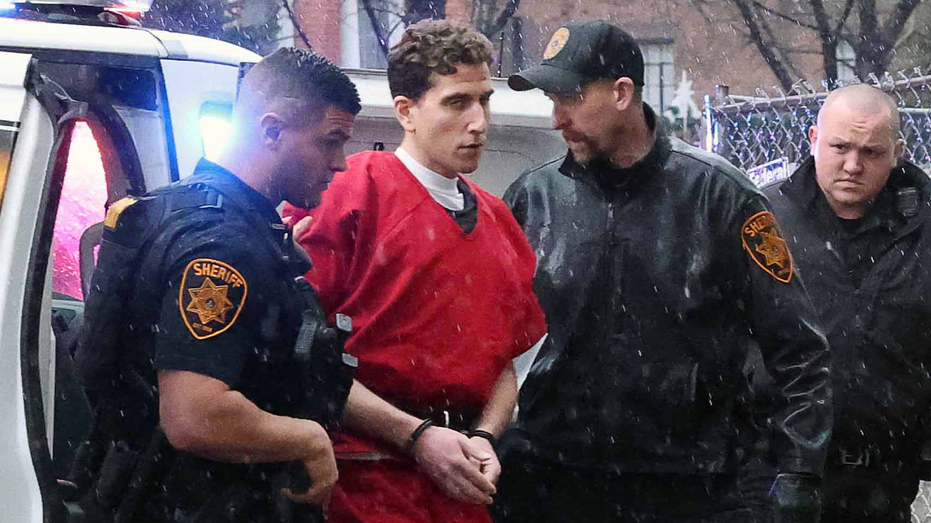
Bryan Kohberger’s former defense attorneys questioned whether he could rationally understand key developments in his Idaho murder case before he pleaded guilty, according to a newly unsealed memo. The filing says counsel sought additional time and expert assistance to help him assess whether to proceed to trial or accept a plea deal. The memo does not state that Kohberger was legally incompetent, but it could become relevant to his effort to withdraw the plea. Kohberger is serving four consecutive life sentences without parole, plus 10 years, after pleading guilty to killing four University of Idaho students.
The document was released Tuesday, September 22, 2026, after Judge Steven Hippler rejected arguments that it should remain sealed. Kohberger’s new attorney, Greg Rauch, said the filing identifies questions that may need to be examined in post-conviction proceedings.
| 1) | Unsealed memo outlines concerns about Kohberger’s understanding |
| 2) | Defense lawyers distinguished concerns from incompetence |
| 3) | Judge denied additional time before the plea |
| 4) | Kohberger now seeks to withdraw his guilty plea |
| 5) | Post-conviction proceedings may examine the plea process |
Unsealed memo outlines concerns about Kohberger’s understanding
The memo was filed before Kohberger’s plea and described concerns held by his original defense team, led by Anne Taylor. According to the filing, counsel believed he was having difficulty comprehending adverse court rulings and understanding how those rulings affected the case as a whole.
The concerns involved major issues including the death penalty, evidence-suppression disputes and motions concerning what testimony or evidence could be presented at trial. The attorneys were also investigating whether Kohberger could make consequential decisions, including whether to testify and whether to resolve the case without a trial.
Defense lawyers distinguished concerns from incompetence
The former defense team expressly denied that Kohberger was incompetent, according to the filing. Instead, the attorneys sought additional time to investigate his ability to understand the proceedings and to obtain expert help communicating with him about the available legal choices.
Greg Rauch, who was assigned to Kohberger’s case later and did not represent him during the original plea proceedings, said the memo was intended to support an argument concerning possible judicial bias rather than establish incompetence.
“Those issues have to be flushed out and explored,” Rauch said.
Judge denied additional time before the plea
The filing says the defense requested more time before the scheduled trial, citing the need to review evidence, continue investigating and assess Kohberger’s ability to participate meaningfully in decisions. On June 26, 2025, Judge Steven Hippler denied the request, finding that the defense had not shown good cause for a continuance or prejudice from continuing toward trial.
The judge later ordered the memo unsealed after concluding that it described the defense concerns only in general terms. He wrote that the information was not sufficiently intimate or protected to justify continued secrecy and would not create the harm claimed by Kohberger’s legal team.
Kohberger now seeks to withdraw his guilty plea
Within less than a week after the request for additional time was denied, Kohberger pleaded guilty to all charges in the killings of Kaylee Goncalves, Madison Mogen, Xana Kernodle and Ethan Chapin. The four University of Idaho students were killed in November 2022 at an off-campus house on King Road in Moscow, Idaho.
Kohberger is now pursuing post-conviction relief and seeking to undo the plea. His new filing does not automatically establish that the pleas were constitutionally invalid, but it raises a factual question about whether his attorneys had enough time and assistance to ensure that he understood the circumstances and could make an informed decision.
Post-conviction proceedings may examine the plea process
The next stage will focus on whether the plea was entered knowingly, voluntarily and with sufficient understanding of its consequences. The court may examine the timing of the defense concerns, the assistance available to counsel, communications with Kohberger and the events between the denial of additional time and the guilty plea.
The unsealed memo does not resolve those issues. It provides a record of concerns raised before the plea and could help define the factual disputes that the post-conviction court must consider. Kohberger remains subject to four consecutive life sentences without the possibility of parole, plus an additional 10-year sentence, unless a court grants relief.
| Number | Key Point |
|---|---|
| 1 | Former attorneys questioned Kohberger’s ability to understand adverse rulings and make major case decisions. |
| 2 | The defense denied that the concerns meant Kohberger was legally incompetent. |
| 3 | A judge denied the request for additional time before Kohberger pleaded guilty. |
| 4 | Kohberger is seeking post-conviction relief and wants to withdraw his plea. |
| 5 | The memo alone does not determine whether the plea was constitutionally valid. |
Summary
The unsealed memo adds detail to the legal dispute over Bryan Kohberger’s guilty plea but does not decide whether it can be withdrawn. It shows that his former attorneys had raised concerns about his ability to understand the case and make consequential decisions before the plea. Those concerns are expected to be examined as part of his post-conviction petition.
Frequently Asked Questions
What does the unsealed memo say about Bryan Kohberger?
It says his former attorneys believed he was struggling to understand adverse rulings, their effect on the case and major decisions such as whether to testify or accept a plea deal.
Does the memo say Kohberger was legally incompetent?
No. The filing says the defense expressly denied that he was incompetent and described the inquiry as an effort to assess his understanding and ability to make consequential decisions.
What is Kohberger asking the court to do?
He is seeking post-conviction relief and wants to withdraw the guilty plea that led to four consecutive life sentences without parole and an additional 10-year sentence.