
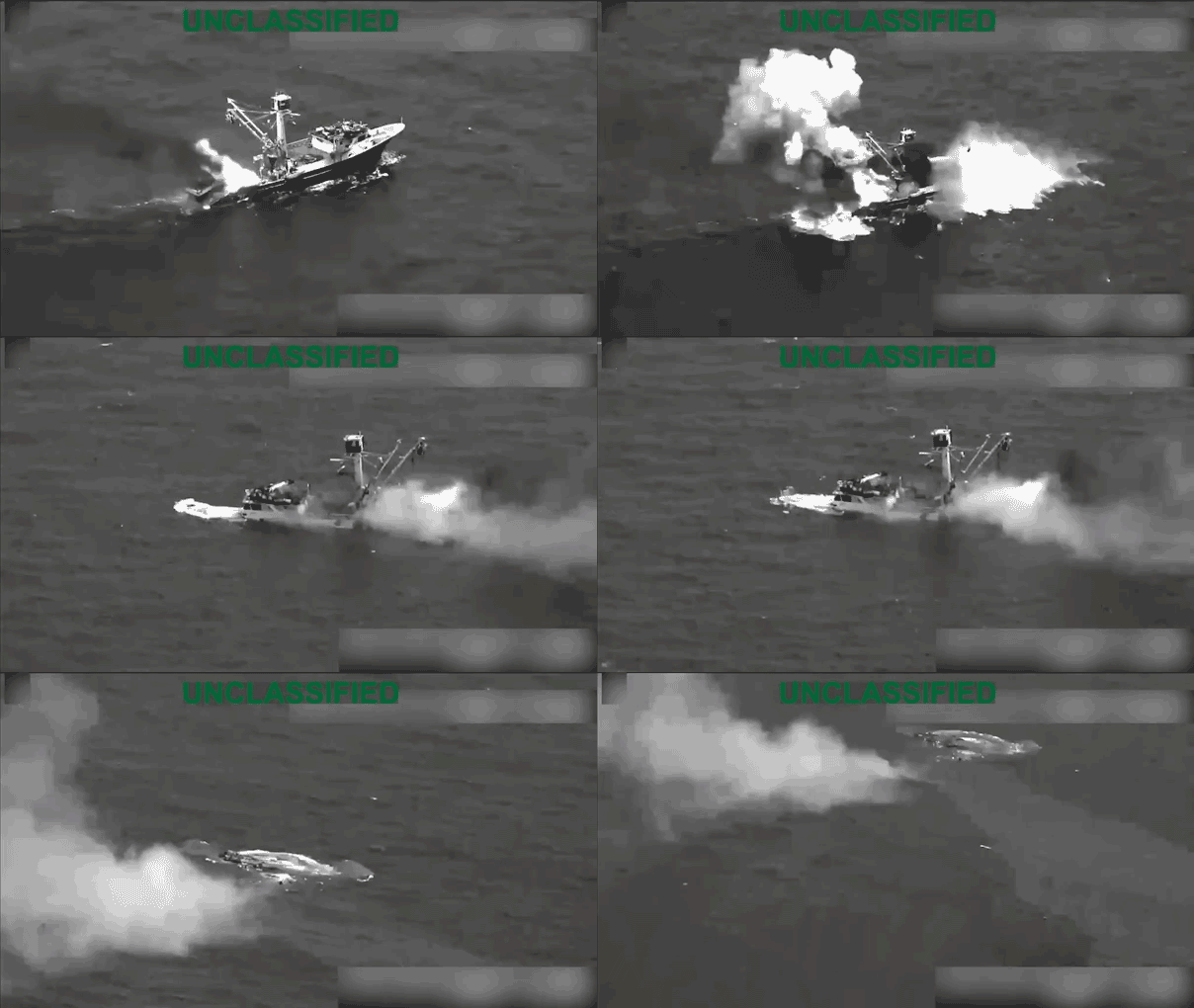
U.S. forces sank a floating refueling vessel in the Eastern Pacific Ocean on Monday after authorities linked it to Los Choneros, an Ecuadorian organized crime group. The vessel was allegedly supporting at-sea drug trafficking operations, according to U.S. officials. People aboard were removed before the vessel was sunk and are expected to be transferred to Ecuadorian authorities. The operation comes as Washington expands efforts to disrupt maritime drug-smuggling networks across the Western Hemisphere.
| 1) | The maritime interdiction in the Eastern Pacific |
| 2) | The vessel’s alleged role in drug trafficking |
| 3) | Los Choneros and Ecuador’s security crisis |
| 4) | The wider US campaign against maritime smuggling |
| 5) | Cooperation between Washington and Quito |
The maritime interdiction in the Eastern Pacific
Joint Task Force Western Hemisphere intercepted the floating refueling vessel on Monday, September 7, 2026, in the Eastern Pacific Ocean. U.S. Southern Command said the operation was intended to disrupt logistical support for maritime narcotics trafficking. The vessel was cleared after the people aboard were removed, and U.S. forces then sank it. Officials did not publicly provide the vessel’s name, cargo details, or the number of people taken into custody.
The action reflects an effort to target support infrastructure rather than only suspected drug shipments. Refueling platforms can help trafficking vessels remain at sea for longer periods and travel farther from shore. By disabling the platform, U.S. authorities sought to reduce the network’s ability to sustain operations in the region.
The vessel’s alleged role in drug trafficking
Authorities described the vessel as a refueling station used in what they called at-sea drug trafficking operations. The alleged activity connected the vessel to Los Choneros, an Ecuadorian organized crime group that U.S. officials now classify as a foreign terrorist organization. The designation was announced by the State Department during the previous week.
U.S. Southern Command said Joint Task Force Western Hemisphere is conducting targeted operations against the networks that support narcotics movement. A statement from the command described the effort as focused on dismantling the logistical systems that enable trafficking across the Western Hemisphere.
“JTF-WHEM continues to conduct precise and professional operations to dismantle the logistical networks fueling narco-trafficking in the Western Hemisphere.”
Los Choneros and Ecuador’s security crisis
Los Choneros has been accused by U.S. authorities of using violence and intimidation to expand control over drug-trafficking routes in Ecuador. The State Department said members have attacked or threatened public officials and their families, security personnel, judges, prosecutors, and journalists.
State Department deputy spokesperson Thomas Pigott said the group’s ultimate objective was to control trafficking routes through Ecuador by terrorizing and inflicting severe violence on the Ecuadorian population. The designation places the group within the framework of Washington’s foreign terrorist organization policy and increases the pressure on its networks and associates.
The wider US campaign against maritime smuggling
The operation is part of a broader administration campaign targeting suspected drug-smuggling vessels bound for the United States. U.S. forces have launched dozens of strikes against such boats, according to officials. The campaign has prioritized disrupting trafficking routes before narcotics reach U.S. territory.
Joint Task Force Western Hemisphere was activated by U.S. Southern Command in August. Its stated purposes include countering threats, strengthening regional security, and responding to crises throughout the Western Hemisphere. The sinking of the refueling vessel demonstrates how the task force is also focusing on the infrastructure supporting maritime operations.
Cooperation between Washington and Quito
The people removed from the vessel are expected to be handed over to Ecuadorian authorities, making Ecuador a direct participant in the legal and security response. The operation follows other cooperation between the two governments against Los Choneros and its leadership.
In July, U.S. and Ecuadorian authorities worked together to extradite Los Choneros leader Fito Macias. He became the first Ecuadorian citizen extradited from Ecuador to face justice in the United States. That case, along with the maritime interdiction, shows the two countries combining law enforcement, military, and counter-narcotics measures against the group.
| Number | Key Point |
|---|---|
| 1 | U.S. forces sank a floating refueling vessel in the Eastern Pacific on September 7, 2026. |
| 2 | Officials linked the vessel to Los Choneros and alleged at-sea drug trafficking operations. |
| 3 | People aboard were removed and will be transferred to Ecuadorian authorities. |
| 4 | The action followed the group’s designation as a foreign terrorist organization and expanded US-Ecuador cooperation. |
Summary
The sinking of the alleged refueling vessel marks a direct effort to disrupt the maritime logistics of Los Choneros. It also underscores the expanding security partnership between the United States and Ecuador as both governments target the group’s trafficking routes, leadership, and support networks.
Frequently Asked Questions
What happened to the vessel?
U.S. forces intercepted and cleared the floating refueling vessel before sinking it in the Eastern Pacific Ocean.
Who was the vessel linked to?
U.S. officials linked the vessel to Los Choneros, an Ecuadorian organized crime group designated by the State Department as a foreign terrorist organization.
What happened to the people aboard?
The people aboard were removed from the vessel and are expected to be handed over to Ecuadorian authorities.
Why was the operation conducted?
Officials said the vessel supported at-sea drug trafficking and that disabling it would help dismantle the logistical networks used by traffickers.