
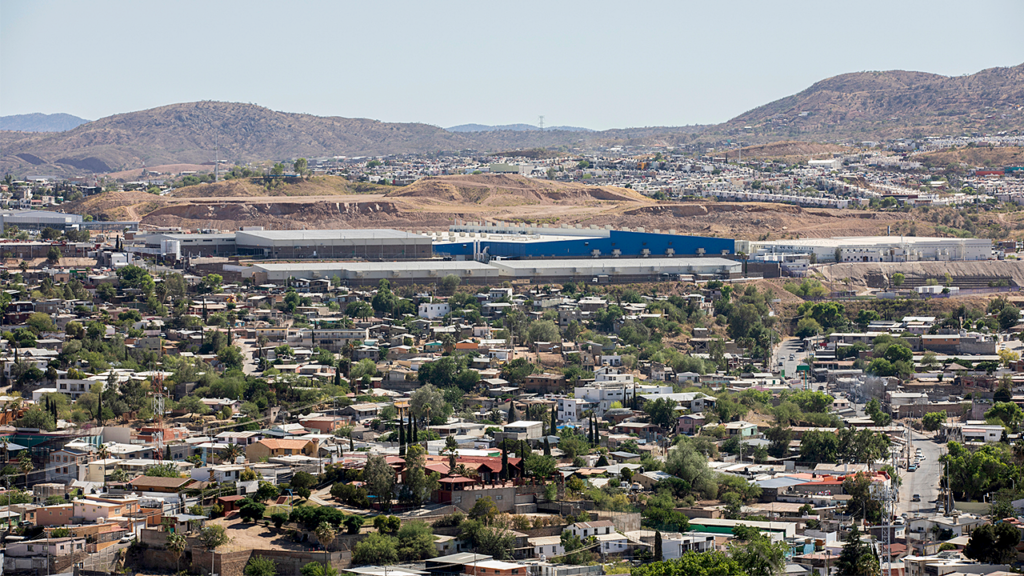
U.S. government employees have been placed under strict travel restrictions in Nogales, Sonora, due to an unspecified threat, according to official warnings issued by the U.S. Embassy and Consulates in Mexico. The restrictions apply to all government activities, permitting movement only during daylight hours for essential purposes. The alert follows an assessment made by Sonora’s State Security Board, which confirmed no confirmed risks to the public but emphasized the need for ongoing security measures in the region.
| Article Subheadings |
|---|
| 1) Travel restrictions due to security alert |
| 2) Response from Sonora’s State Security Board |
| 3) U.S. Travel Advisory and warnings |
| 4) Congressional response and public safety |
| 5) Unresolved nature of the threat in Nogales |
Travel restrictions due to security alert
On a recent Saturday, the U.S. Embassy and its Consulates in Mexico announced sweeping travel restrictions for U.S. government employees in Nogales, Sonora. This decision was prompted by unspecified threat information, which has raised concerns about safety in the border city, located just north of the Mexican border. The embassy has indicated that all non-essential travel will be restricted, and employees are permitted to move in the area only during daylight hours. This restriction is a precautionary measure aimed at safeguarding U.S. personnel and their families amidst a rising tide of security issues.
Officials have not made specific details regarding the nature of the threat public; however, the Consulate General in Nogales has emphasized the importance of awareness and caution regarding the situation. This decision underscores the precarious security environment prevalent in various border regions of Mexico, which are often highlighted in travel advisories issued by the U.S. government. Following the announcement, citizens have been advised to comply with the guidelines to avoid potential risks while navigating the area.
Response from Sonora’s State Security Board
In response to the travel restrictions, Sonora’s State Security Board indicated that they had communicated with U.S. consular officials to provide necessary information, but they declined to disclose any specific threat details. The board confirmed that, as of now, they do not possess any information that indicates a direct risk to the general public in the region. Despite this, they are committed to enhancing preventive security operations in Nogales to ensure community safety.
The state authorities noted their ongoing vigilance regarding the security situation in Nogales and the surrounding areas. This proactive approach aims to maintain order and reduce risks associated with potential threats that could emerge due to the city’s proximity to intense drug trafficking routes and organized criminal activities common in the region. The consistent monitoring of activities in Nogales forms part of a broader strategy to protect residents and visitors alike from potential risks while also cooperating with U.S. officials on security matters.
U.S. Travel Advisory and warnings
The current situation in Nogales coincides with the designation by the U.S. Department of State, which categorizes Sonora as a Level 3 “Reconsider Travel” area. This advisory hints at the complexities and challenges travelers might face while venturing into the region. As part of the concerns articulated in the advisory, Americans are encouraged to exercise heightened caution and stay aware of potential risks when in or around Nogales.
Individuals currently present in the area have been advised to remain alert to their surroundings, identify safe locations for sheltering in emergencies, and maintain regular communication with friends and family. Following instructions from local law enforcement is critical, as is staying updated via local media outlets regarding any developments in the security situation. Despite assurances from local authorities about the absence of tangible threats, the embassy’s advisory indicates a cautious approach to travel in the area due to the unpredictable nature of security conditions.
Congressional response and public safety
In light of the travel restrictions and security alerts, U.S. lawmakers, including representatives from Arizona, have voiced their concerns regarding the safety of citizens in Nogales and surrounding areas. Representative Andy Biggs has actively encouraged residents and travelers to heed the warnings issued by the U.S. government. He has communicated a message of vigilance and caution for those living in or visiting Nogales, urging them to take the directives seriously to ensure their safety.
The congressman’s remarks highlight the responsibility of citizens to stay informed about their surroundings during uncertain times. Expressing solidarity with families and friends concerned for their loved ones in Nogales, Representative Biggs emphasized the need for precautionary measures and safety protocols, stating, “We are praying for the safety of U.S. citizens and personnel who may be in harm’s way.” The statement illustrates the heightened anxiety and instinct for community welfare among those with familial or social ties to the area, especially given the ongoing complexities tied to border security.
Unresolved nature of the threat in Nogales
Despite the heightened security measures and travel restrictions, uncertainty still lingers regarding the specific nature of the threat that has prompted this advisory. U.S. and Mexican officials have yet to provide detailed insights into the source or nature of the potential risk in Nogales. The lack of clarity surrounding the situation raises questions about the efficacy and communication mechanisms between local authorities and consular operations directed at safeguarding citizens.
The ongoing security monitoring in Nogales, paired with the advisory and restrictions placed upon government employees, emphasizes the complexities inherent in managing safety in this region. It is crucial for both U.S. citizens and Mexican authorities to uphold a sense of vigilance and preparedness amidst these unaddressed threats. As security assessments continue, there is an understanding that coordination between countries is vital for effective responses in curtailing risks associated with border communities, thereby protecting individuals who inhabit these unique geopolitical landscapes.
| No. | Key Points |
|---|---|
| 1 | Travel restrictions for U.S. government employees in Nogales due to an unspecified threat. |
| 2 | Sonora’s State Security Board stated no confirmed risks to the public have been identified. |
| 3 | U.S. Travel Advisory places Sonora at Level 3, advising reconsideration of travel. |
| 4 | Congressional representatives emphasize the need for public awareness and safety. |
| 5 | Ongoing uncertainty regarding the specific nature of the threat in Nogales continues. |
Summary
The recent travel restrictions placed on U.S. government employees in Nogales highlight serious security concerns in the region. While state officials maintain that no current risks to the public have been confirmed, the advisory signals the attention and precaution being taken in the face of ongoing security issues that pervade Mexico’s border areas. The response from local authorities, as well as the emphasis from U.S. lawmakers, reflects a collective priority on ensuring the safety of all individuals in the area, while the specifics of the underlying threat remain unresolved.
Frequently Asked Questions
Question: What prompted the travel restrictions in Nogales?
The travel restrictions were prompted by an unspecified threat assessed by the U.S. Embassy and Consulates in Mexico, leading to a precautionary advisory for government employees in Nogales.
Question: What does the U.S. Travel Advisory state about Sonora?
The U.S. Travel Advisory designates Sonora as a Level 3 “Reconsider Travel” area, suggesting that travelers should exercise increased caution and stay aware of their surroundings.
Question: What are the recommended actions for individuals in Nogales?
Individuals in Nogales are advised to remain vigilant, seek shelter in case of emergencies, notify friends or family for safety updates, and follow local law enforcement instructions regarding security matters.