
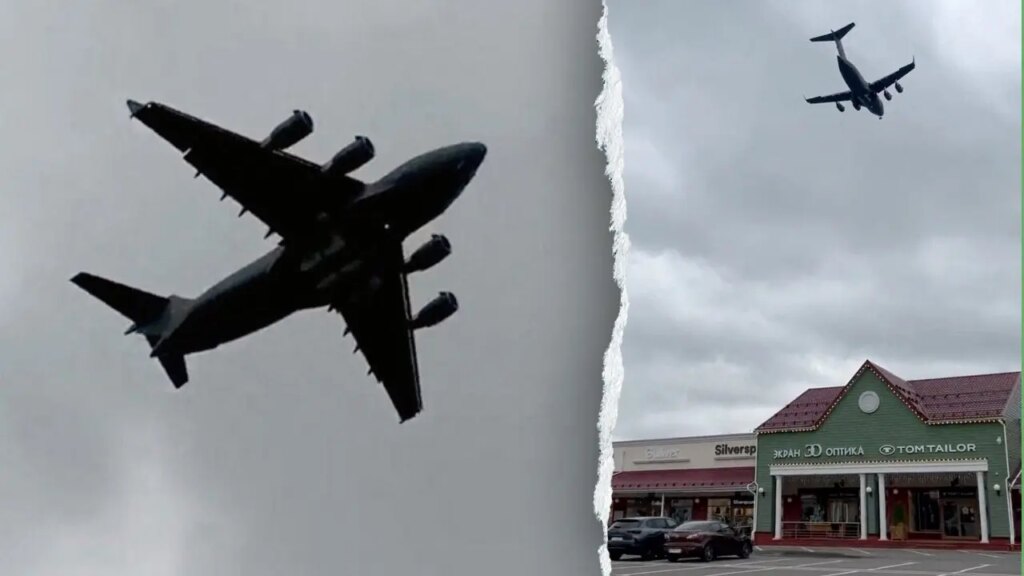
A U.S. military transport plane recently made headlines as it completed a flight to Moscow, Russia, amid strained diplomatic relations between the United States and Russia. The Boeing C-17A Globemaster III departed from Joint Base Andrews in Maryland and was observed landing at Vnukovo airport in Moscow. In a surprising turn of events, the Kremlin announced that it had no information regarding this flight, raising questions about the nature of the mission and its implications for ongoing tensions related to the war in Ukraine.
| Article Subheadings |
|---|
| 1) Overview of the Flight to Moscow |
| 2) U.S. Military Aircraft: Purpose and Capabilities |
| 3) Kremlin’s Response to the U.S. Flight |
| 4) Historical Context of U.S.-Russia Relations |
| 5) The Future of U.S.-Russia Diplomatic Engagements |
Overview of the Flight to Moscow
On a significant day, a Boeing C-17A Globemaster III transported U.S. officials and landed at Moscow’s Vnukovo airport, catching many off guard. The flight originated from Joint Base Andrews in Maryland, a vital military hub in the United States, and it made a stop in Riga, Latvia, before heading into Russian airspace. Such a direct flight from the U.S. to Russia has become increasingly rare, primarily due to the ongoing geopolitical tensions exacerbated by the war in Ukraine. The timing of this flight, with its connection to high-level diplomatic meetings, accentuates the unpredictable dynamics of U.S.-Russia relations.
U.S. Military Aircraft: Purpose and Capabilities
The Boeing C-17A Globemaster III plays a crucial role in the U.S. military’s logistics and transportation capabilities. Known for its versatility, this aircraft can transport troops and cargo to main operating bases and forward operating bases worldwide, facilitating rapid deployment of forces. Moreover, it is equipped to handle various types of missions, including humanitarian efforts, making it an essential tool for the military in both peace and crisis scenarios. The choice of this aircraft for a flight into Moscow signifies a potential high-stakes mission, stirring speculation about its purpose and the officials aboard.
Kremlin’s Response to the U.S. Flight
Following the landing of the U.S. military plane, the Kremlin stated that it had no information on the flight, a remark that underscores the opacity often surrounding diplomatic communications. High-ranking officials, including spokespersons from the Russian government, refrained from elaborating on the incident, which adds a layer of intrigue to an already delicate situation. This lack of information from Russia raises questions about whether this signal of ignorance is genuine, strategic, or rooted in the complex narrative shaping U.S.-Russian interactions in recent years.
Historical Context of U.S.-Russia Relations
To understand the significance of this flight, it is essential to analyze the historical backdrop of U.S.-Russia relations. The two nations have had a tumultuous relationship characterized by periods of confrontation and cooperation. The Cold War era, marked by intense ideological rivalry, has left a lasting imprint on diplomatic ties. With recent events, particularly Russia’s involvement in Ukraine, allegations of election interference, and various sanctions imposed, relations have soured dramatically. Understanding this historical context provides insight into why a seemingly simple flight attracts so much attention and scrutiny and why it is viewed through a lens of skepticism.
The Future of U.S.-Russia Diplomatic Engagements
The recent flight’s implications extend beyond immediate reactions; they pose questions regarding the future of diplomatic engagements between the United States and Russia. Will this flight lead to further talks aimed at reconciliation or an escalation of tensions? It’s clear that both nations face pivotal decisions as they navigate through existing challenges. The ongoing conflict in Ukraine, coupled with emerging global issues such as cyber threats and nuclear disarmament, necessitates a renewed focus on dialogue and diplomacy. The outcomes of this flight’s mission could set the stage for future negotiations, impacting both nations and their allies.
| No. | Key Points |
|---|---|
| 1 | The U.S. military’s Boeing C-17 made a rare direct flight to Moscow amid diplomatic tensions. |
| 2 | The Russian Kremlin stated it had no knowledge of the U.S. military flight. |
| 3 | Diplomatic relations between the U.S. and Russia are heavily influenced by historical events. |
| 4 | The flight emphasizes the need for ongoing diplomatic dialogue in finding solutions to regional conflicts. |
| 5 | The mission’s outcomes may influence future diplomatic engagements between the two countries. |
Summary
In conclusion, the recent flight of a U.S. military transport plane to Moscow raises important questions about the state of U.S.-Russia relations. Amidst ongoing geopolitical tensions, the Kremlin’s denial of knowledge regarding the flight adds an air of mystery. Both nations face a pivotal moment as they navigate their complex relationship, and the implications of this airplane landing may impact future diplomatic engagements, shaping the global landscape in unforeseen ways.
Frequently Asked Questions
Question: What was the purpose of the U.S. military flight to Moscow?
While the specific purpose of the flight remains undisclosed, it reflects ongoing diplomatic efforts amidst strained relations between the U.S. and Russia. The aircraft potentially carried officials involved in discussions about various geopolitical issues.
Question: How often do U.S. military aircraft fly directly to Russia?
Direct flights from the U.S. to Russia are rare due to heightened tensions and diplomatic strains. Such transportation typically occurs only during critical missions or meetings between high-level officials.
Question: What aircraft was used for the flight, and why is it significant?
The Boeing C-17A Globemaster III, a strategic military transport aircraft, was used for the mission. Its significance lies in its capabilities for rapid troop and cargo transport, often in critical situations requiring immediate logistics support.