
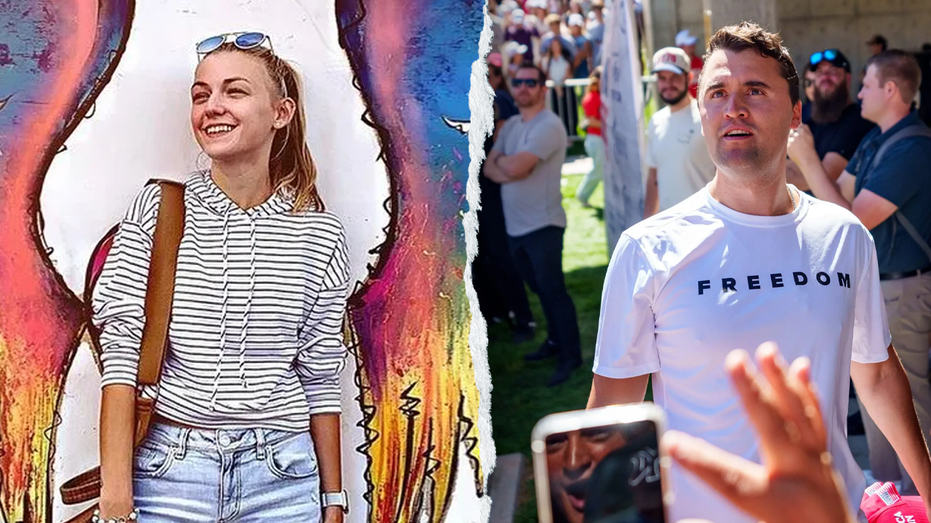
A Utah Supreme Court appeal connected to the 2021 murder of Gabby Petito could affect whether Charlie Kirk’s family can pursue a wrongful death lawsuit in the state. The dispute centers on Utah’s governmental immunity law and whether it blocks claims involving injuries caused by third-party attacks. Attorneys for Petito’s family argue that the state Constitution protects the right to seek damages after a death. The outcome could influence claims tied to alleged security failures at a 2025 event at Utah Valley University.
| Article Subheadings | |
|---|---|
| 1) | The Utah immunity dispute |
| 2) | The Petito family’s appeal |
| 3) | The claims surrounding the Kirk shooting |
| 4) | Why the alleged security warning matters |
| 5) | The possible next legal steps |
The Utah immunity dispute
The central issue is Utah’s governmental immunity law, which can protect state and local entities from lawsuits arising from third-party assaults or batteries. Attorney Brian Stewart, who is involved in the Petito appeal, said a claim brought by Kirk’s family could currently face dismissal under the same legal theory. The question is whether alleged negligence by government bodies can support a wrongful death action when the immediate cause of death was an attack by another person.
The dispute traces back to a 1996 Utah Supreme Court ruling involving the 1990 killings of Kay Tiede and her mother, Beth Potts. That decision upheld the application of governmental immunity to a wrongful death claim involving attacks by men who had left a halfway house. Stewart said overturning or limiting that precedent would be necessary for similar claims to proceed.
The Petito family’s appeal
The Petito family sued the Moab Police Department, alleging that officers were negligent in their response to a traffic stop involving Brian Laundrie about two weeks before he killed Gabby Petito. A judge dismissed the lawsuit on governmental immunity grounds, prompting the appeal now before the Utah Supreme Court.
The family argues that the state Constitution prevents lawmakers from eliminating the right to recover damages for a death. The relevant provision states that the right of action for injuries resulting in death shall never be abrogated. Stewart said the appeal could establish whether that constitutional language limits the reach of the immunity statute.
“We would need the Utah Supreme Court to overturn Tiede to pave the way for Charlie Kirk’s family to proceed,” Stewart said.
The claims surrounding the Kirk shooting
Charlie Kirk’s family filed a notice of claim in September, a required step before potentially suing Utah public entities. The filing names Utah Valley University, the state of Utah and key officials. Attorneys allege that officials failed to properly secure a Turning Point USA event at the university after acknowledging responsibility for rooftop security.
Kirk, the organization’s founder, was speaking at an American Comeback Tour event at Utah Valley University in Orem on September 10, 2025, when prosecutors say a shooter positioned on a rooftop across the courtyard shot him in the neck. The family alleges that security failures contributed to his wrongful death. The accused shooter, 23-year-old Tyler Robinson, pleaded not guilty at an arraignment on September 1 and faces a possible death sentence if convicted of aggravated murder.
Why the alleged security warning matters
The notice of claim alleges that UVU Police Chief Jeffrey Long told Turning Point USA organizers, “I got you covered,” after they raised concerns about rooftop access near the campus courtyard. The family may view that alleged assurance as evidence that officials accepted responsibility for protecting the event and created an expectation that the security risk had been addressed.
Stewart said the alleged message could help demonstrate negligence but might not overcome the immunity statute. He compared it with the Petito case, where the family argued that police assessments led relatives to believe the situation involving Petito and Laundrie was under control. In both matters, the alleged assurances could be relevant to negligence, while the separate immunity question could still determine whether a lawsuit is legally allowed.
The possible next legal steps
The Utah Supreme Court’s ruling in the Petito appeal could clarify whether wrongful death claims involving governmental entities and third-party violence may proceed. If the court rejects the existing interpretation of Tiede, Kirk’s family could have a stronger path toward a state lawsuit. If the precedent remains intact, the family’s claims could be dismissed before evidence is fully examined.
Stewart also said Kirk’s lawyers have prepared the groundwork for a possible federal claim. The family’s immediate state filing remains a notice of claim rather than a completed lawsuit. Meanwhile, Robinson is scheduled for a court hearing on Friday afternoon concerning the case’s schedule.
| Number | Key Point |
|---|---|
| 1 | The Petito appeal challenges the effect of Utah’s governmental immunity law. |
| 2 | Kirk’s family has filed a notice of claim over alleged event security failures. |
| 3 | The alleged rooftop security assurance could be evidence of negligence but may not defeat immunity. |
| 4 | The Utah Supreme Court could determine whether similar wrongful death claims can proceed. |
Summary
The Petito appeal presents a potentially decisive legal question for Kirk’s family: whether Utah’s Constitution preserves wrongful death claims that governmental immunity would otherwise bar. The court’s treatment of the 1996 Tiede precedent could affect both families’ ability to pursue claims based on alleged failures by public officials. The allegations surrounding Kirk’s event security remain untested in a completed civil lawsuit, while the criminal case against Robinson continues separately.
Frequently Asked Questions
What is the legal issue in the Petito appeal?
The appeal asks whether Utah’s governmental immunity law can block a wrongful death claim involving an attack by a third party, and whether the state Constitution protects the right to seek damages after a death.
What has Kirk’s family filed?
The family filed a notice of claim in September against Utah Valley University, the state of Utah and key officials. The filing is a prerequisite to a potential lawsuit and alleges failures in event security.
Could the Petito case affect Kirk’s potential lawsuit?
Yes. If the Utah Supreme Court limits or overturns the precedent supporting broad governmental immunity, Kirk’s family could have a stronger opportunity to pursue its claims in state court.