
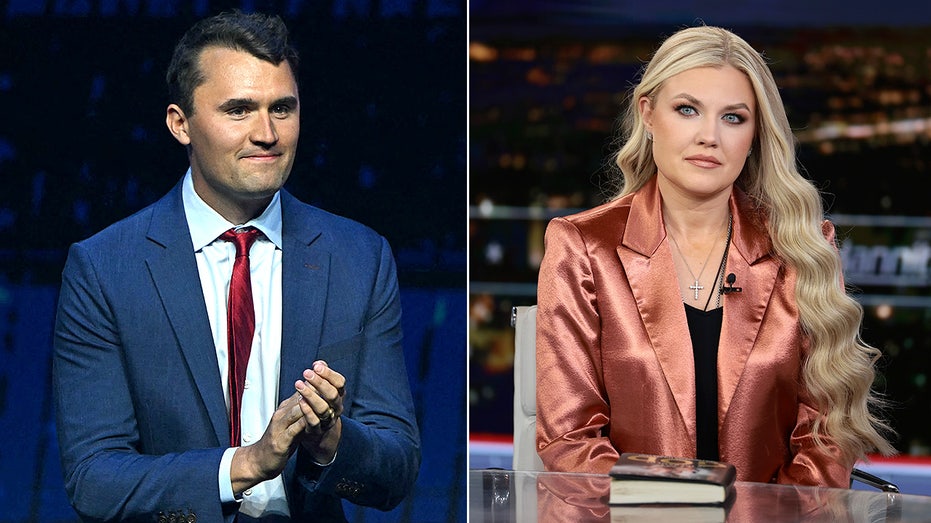
Utah Valley University released a 158-page independent review of the September 2025 assassination of Charlie Kirk on its campus in Orem, Utah. The report identified 10 key findings, including inconsistent policy enforcement, insufficient security for a high-profile outdoor event and a lack of dedicated camera monitoring. It concluded that no university employee acted in bad faith or with willful and wanton disregard for safety. Kirk’s family has criticized the university, saying it failed to address known risks before the shooting.
| 1) | Review outlines the university’s security shortcomings |
| 2) | Timeline identifies decisions before the shooting |
| 3) | Rooftop concerns became a central dispute |
| 4) | Family attorney calls for accountability |
| 5) | University pledges changes to event security |
Review outlines the university’s security shortcomings
The review examined the circumstances surrounding the September 10, 2025, shooting during a public speaking appearance by Charlie Kirk, founder of Turning Point USA, in the university’s central courtyard. It said university policies were applied inconsistently and that security was inadequate for a prominent outdoor event.
The report also found that no member of the university police department had been assigned to monitor campus security cameras. Reviewers recommended reassessing staffing levels and training in light of the university’s size and potential security risks.
Timeline identifies decisions before the shooting
The report established a timeline from July 10 through September 9, 2025, and highlighted decisions made between August 25 and the day before the killing. On August 25, the outdoor courtyard remained the planned venue despite concerns among university officials about their ability to control the location.
The event was approved two days later without a documented security assessment plan. University police and Turning Point USA security personnel held their first direct security coordination on September 3, one week before the appearance. The review said these decisions left limited time for coordinated planning.
Rooftop concerns became a central dispute
On September 8, Turning Point USA organizers raised concerns about access to rooftops near the speaking area. The report said University Police Chief Jeffrey Long texted security supervisor Dan Flood, “We got you covered.” According to the review, the message referred to the Hall of Flags outdoor pedestrian walkway rather than the rooftop later identified in the criminal case.
“These text exchanges revealed the primary security focus for TPUSA was the Hall of Flags outdoor pedestrian walkway above the canopy.”
The Hall of Flags walkway was closed for the event, but Turning Point USA security personnel did not meet with university police in person. Prosecutors allege that Tyler Robinson climbed onto the Losee Center building northeast of the courtyard and fired the fatal shot. The report said the Hall of Flags walkway was above the speaking area, while the Sorensen Center was north and the Losee Center was northeast.
Family attorney calls for accountability
The report has become part of a broader dispute between the university and Charlie Kirk’s family. Family attorney Brett Parkinson said the findings supported allegations that the university was understaffed and unprepared for the event’s risks.
“This report reaffirms the facts we laid out in our Notice of Claim: that UVU security was woefully understaffed and unprepared to manage the obvious risks associated with an event of this nature.”
Brett Parkinson said the university assumed responsibility for attendee safety when it hosted the event. The family’s legal filing characterized rooftop access as a known concern, while the university’s review described the relevant communications as focused on the Hall of Flags walkway.
University pledges changes to event security
The university said it had no further comment beyond a statement issued for President Jon Anderson. He said September 10 would remain part of the institution’s history but would not determine its future.
“Our responsibility is to care for our community, learn from the findings of this review and follow through on its recommendations.”
The report also addressed why standard systems designed to identify internal threats after the 2007 Virginia Tech shooting did not apply in this case. The accused shooter, Tyler Robinson, had no connection to the university, so those measures were not designed to detect him as an insider threat. The university said it would examine its policies and practices and use the review to guide future security planning.
| Number | Key Point |
|---|---|
| 1 | The review covered the September 10, 2025, shooting at Utah Valley University. |
| 2 | Reviewers found inconsistent policy application and inadequate security resources. |
| 3 | Security coordination began one week before the event. |
| 4 | The report found no bad-faith or willful and wanton disregard for safety by university personnel. |
| 5 | The university said it would study the findings and implement recommendations. |
Summary
The report describes planning and security gaps before Charlie Kirk was killed at Utah Valley University. It faulted preparation and coordination while stopping short of finding bad-faith conduct. The family’s response indicates that the findings may play a role in legal efforts seeking accountability, while university leaders have promised stronger future event security.
Frequently Asked Questions
What did the review examine?
It examined planning, security arrangements and major decisions surrounding the September 10, 2025, shooting of Charlie Kirk during an event on campus.
What were the main security findings?
The review found inconsistent policy application, insufficient security for a high-profile outdoor event and no police officer specifically assigned to monitor campus cameras.
Did the report find bad-faith conduct?
No. The reviewers concluded that no one at the university acted in bad faith or with willful and wanton disregard for safety.
What will the university do next?
The university said it would examine its policies and practices, learn from the findings and follow through on the recommendations.