
New developments have emerged in the ongoing legal battle involving an alleged gang rape incident at Cornell University. The Tompkins County District Attorney has reopened the criminal investigation after discrepancies were noted between the victim’s initial statement and the allegations in the civil lawsuit. This article delves into the latest updates, including exclusive video evidence, differing accounts from the accused, and the university’s stance on the matter.
| Article Subheadings |
|---|
| 1) New Video Evidence from Fraternity Snapchat |
| 2) Response from Defense Attorney |
| 3) District Attorney Reopens the Case |
| 4) The University’s Position |
| 5) Implications and Next Steps |
New Video Evidence from Fraternity Snapchat
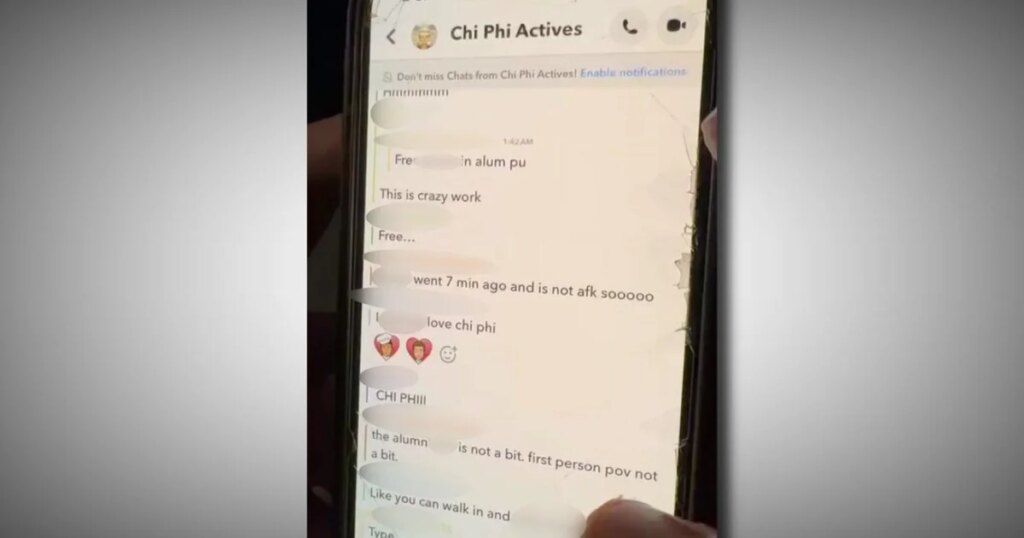
Recent reports indicate that new video footage has surfaced, depicting conversations from a Snapchat group chat involving fraternity members. This footage emerged in the context of the allegations made by a former student who claims she was drugged and raped at the Chi Phi fraternity house. The timestamp on the video reveals that at 1:42 a.m. on the night in question, a message was sent to the group, implying that a woman was available for sexual activity. A fellow fraternity brother inquired, “Shop still open?” to which the group responded affirmatively, indicating a controversial atmosphere that raises questions about the intentions of those involved.
This new evidence could play a crucial role in the ongoing investigation and court proceedings. The attorney representing the alleged victim, identified as Jane Doe, has emphasized the significance of this footage, suggesting it contradicts any claims that fraternity members were unaware of the incident.
Response from Defense Attorney
Attorney Jeremy Saland, who represents one of the individuals named in the lawsuit, Scott Kretzschmar, has publicly denied the allegations against his client. In interviews, Saland has asserted that the details of the complaint, specifically regarding Kretzschmar’s actions, are unfounded. According to the lawsuit, Kretzschmar is accused of pouring a drug, ketamine, onto Jane Doe’s body and partaking in its use. However, Saland argued, “Absolutely not,” claiming that objective evidence, including a hair follicle test, clearly shows no presence of ketamine in his client’s system.
In addition to these statements, Saland provided a brief account of the events as he perceives them. He claimed that Kretzschmar briefly entered the room where Jane Doe was located, asserting that she appeared coherent and was not undressed, which directly contradicts the victim’s claims. This defense stance underlines the contentious nature of this case, highlighting the broader issues of consent and accountability in such serious allegations.
District Attorney Reopens the Case
In a significant development, Matthew Van Houten, the District Attorney of Tompkins County, announced the reopening of the criminal investigation into the allegations made by Jane Doe. Citing that her sworn statement from November 2024 did not claim she was drugged or gang-raped, Van Houten indicated that Jane Doe had described her participation in the drug use and sexual conduct as being conscious, voluntary, and consensual. This revelation adds complexity to the case, especially against the civil lawsuit’s allegations of sexual assault and battery.
The DA’s office aims to consider fresh evidence, including the newly acquired video footage and statements that may be made by the alleged victim during testimony. With an experienced prosecutor specializing in sexual crimes preparing the case for grand jury consideration, the outcome remains uncertain. Attorney Thomas Giuffra, representing Jane Doe, has voiced concerns about the initial police investigation, suggesting that critical evidence was overlooked, including the fraternity’s group chat messages that could shed light on the circumstances surrounding the incident.
The University’s Position
Cornell University has expressed its support for the District Attorney’s decision to reopen the criminal case, valuing the integrity of the process. The university previously conducted its own investigation through its Title IX office, which concluded with sanctions against individuals involved after a thorough review of nine months. This internal investigation has been cited by the university as an effort to uphold a safe and respectful campus environment.
Furthermore, another attorney for a defendant named in the lawsuit, Andrew Miltenberg, has stated that his client, Gillio Lopes, categorically denies all allegations. Miltenberg emphasized that prior investigations yielded results that differ significantly from the ongoing civil proceedings, advocating for the idea that accusations should not be conflated with proof. He added that the legal process would allow for a proper discourse to address the serious nature of these allegations.
Implications and Next Steps
The reopening of the criminal case opens several doors for both the prosecution and the defense. If the accusations can be substantiated in a legal context, there could be severe consequences for those involved. For the victim, the outcome may be essential for her sense of justice and healing. With additional evidence being examined and Jane Doe potentially testifying, the court hearings ahead could prove pivotal in both criminal and civil proceedings.
The implications of this case extend beyond the individuals involved, serving as a barometer for discussions about sexual violence on college campuses. It also emphasizes the ongoing societal challenges of addressing such sensitive issues while ensuring justice and accountability. As both sides prepare for the upcoming hearings, there is an increasing call for transparency and earnestness in addressing allegations of sexual misconduct.
| No. | Key Points |
|---|---|
| 1 | New video evidence has emerged from a fraternity’s Snapchat group chat related to the alleged incident. |
| 2 | Defense attorney Jeremy Saland asserted that the accusations against his client are unfounded. |
| 3 | The District Attorney has reopened the case, citing inconsistencies in the victim’s prior statements. |
| 4 | Cornell University has supported the DA’s decision and previously conducted its own investigation. |
| 5 | The outcome of the upcoming hearings may have significant implications for all parties involved and broader societal issues. |
Summary
The developments in the Cornell University alleged gang rape lawsuit have highlighted significant discrepancies between statements made by the victim and the claims of those accused. The reopening of the criminal case by the District Attorney introduces new elements to the narrative, including video evidence and varying accounts of the night’s events. As the legal process unfolds, it will not only determine the fates of those involved but may also reflect broader societal attitudes toward sexual misconduct on college campuses and the ongoing struggle for justice.
Frequently Asked Questions
Question: What specific allegations are being made in the lawsuit against the fraternity members?
The lawsuit broadly accuses seven fraternity members of sexual assault and rape, with specific claims including the use of drugs such as ketamine in connection with these allegations.
Question: How has the university responded to the allegations made?
Cornell University has expressed its support for the DA’s decision to reopen the criminal investigation and has indicated that it conducted an extensive internal review which ended in sanctions against some individuals based on earlier findings.
Question: What role does the Snapchat evidence play in the case?
The Snapchat evidence may provide insights into the fraternity members’ actions and intentions on the night of the alleged incident, potentially contradicting claims made by the defendants regarding their awareness and participation.