
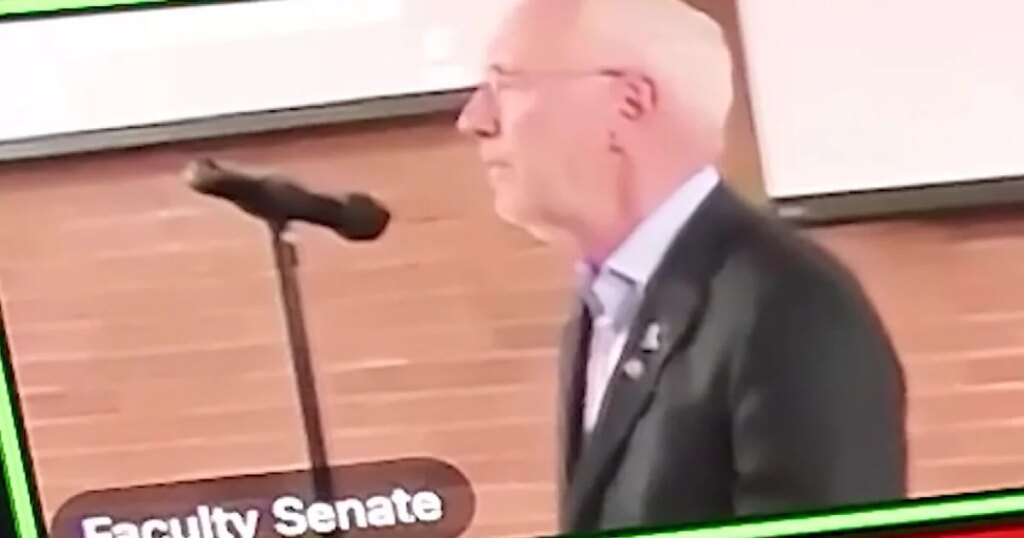
An urgent meeting at Cornell University has brought to light serious concerns regarding the administration’s handling of sexual assault allegations. President Michael Kotlikoff faced a barrage of questions from faculty as they deliberated over a resolution of no confidence in the administration. This scrutiny follows the alarming reports of a gang rape incident involving a student nearly two years ago and the university’s recent decision to commence a comprehensive review of its misconduct procedures.
The meeting, which was closed to the media, still unveiled significant faculty discontent regarding academic freedom and the university’s accountability. The concerns were further ignited by allegations that other former students have been too frightened to report their experiences of sexual assault.
The administration’s proposed independence in an investigation, led by former Deputy U.S. Attorney General Sally Yates, is seen as a step toward transparency, yet questions about its depth and genuine implications remain.
| Article Subheadings |
|---|
| 1) Meeting Context and Purpose |
| 2) Administration’s Response to Questions |
| 3) Faculty Concerns Over Academic Freedom |
| 4) The Broader Implications of the Investigation |
| 5) Upcoming Actions and Responses |
Meeting Context and Purpose
On October 14, Cornell University hosted a closed-door meeting among faculty members to address ongoing concerns surrounding the administration’s management of sexual assault inquiries. This dialogue was prompted after the school faced increased scrutiny about its governance following a reported gang rape incident at a fraternity house in 2024. Faculty members convened to reassess their faith in the university’s leadership and consider a resolution indicating no confidence moving forward. The aim was to explicitly challenge the administrative responses and preventative measures in place regarding sexual misconduct.
In the wake of two years filled with various allegations and reports, including a prominent case involving multiple accused individuals, the meeting sought to examine the historical and current protocols for handling complaints of sexual violence. Faculty also expressed a desire for clarity regarding the independent review led by Sally Yates, aiming for comprehensive scrutiny of Cornell’s past and present handling of such allegations.
Administration’s Response to Questions
During the meeting, President Michael Kotlikoff faced tough inquiries specific to the investigative process that is set to unfold. “President Kotlikoff, can you name all of the different kinds of assaults… that the outside investigators will be examining, and how far will they go back in time in their investigations?” one faculty member demanded.
In response, Kotlikoff noted that the review would be extensive, asserting,
“That is a board review. I don’t dictate that review. It’s an open review. It does have a very broad mandate. I don’t know how far back they’re going to go, frankly, but I will say that we’re open to anything they ask.”
Such comments reflect a strong commitment to transparency; however, many faculty members were left wanting more specifics regarding the timeline and scope of the investigations.
Faculty Concerns Over Academic Freedom
An aspect that surfaced during the deliberations was the faculty’s feelings of suppression regarding academic freedom. One speaker pointedly criticized the administration, stating,
“We’ve seen this administration suppress our academic freedom, as well as our students’ voices over the past few years.”
This claim evoked further discussion about repercussions faced by students and faculty alike for dissenting voices within the institution.
In laying out these grievances, faculty members acknowledged a disturbing trend of punitive actions taken against over 80 students since 2023 for what was characterized as nonviolent expressions of speech. Such incidents have instigated calls for a more open environment where free speech is valued and supported rather than stifled.
The Broader Implications of the Investigation
Compounding the complexities of the current situation is the understanding that the allegations stemming from the 2024 case may represent only a fraction of a much larger issue. Faculty members, disturbed by this context, indicated that other current and former students have voiced their own encounters with sexual assault. Many emphasized the culture of fear and silence that has historically plagued the campus, preventing victims from coming forward to disclose their experiences.
The troubling sentiments shared indicate a significant potential for long-standing institutional failures regarding the safety and support of students. The need for the comprehensive review by Yates is now perceived not merely as a procedural formality but a crucial examination of the systematic responses to sexual misconduct at Cornell.
Upcoming Actions and Responses
The deliberations held during the meeting were just the beginning. Another meeting is scheduled for October 28, where faculty members will further discuss the confidence vote in the administration. They will have about one week after the meeting to submit their decisions on whether to support or oppose the leadership. This procedural step illustrates a commitment to accountability and the willingness of faculty to stand united in addressing their concerns.
The outcomes of these discussions and resolutions could set a critical precedent for the university’s governance in regard to handling allegations of misconduct. The faculty’s increasing willingness to advocate for change also shines a light on the evolving dynamics within academic institutions that are increasingly scrutinized for their treatment of sexual assault claims.
| No. | Key Points |
|---|---|
| 1 | Cornell University faces intense scrutiny over its handling of sexual assault allegations. |
| 2 | President Michael Kotlikoff is under fire during the faculty meeting regarding leadership efficacy. |
| 3 | Former Deputy U.S. Attorney General Sally Yates will conduct an independent review of the university’s processes. |
| 4 | Faculty express concerns over the suppression of academic freedom and expression on campus. |
| 5 | The outcome of subsequent votes and discussions will shape future governance on sexual misconduct issues. |
Summary
The recent events at Cornell University highlight a critical struggle between faculty, administration, and students regarding the university’s approach to handling sexual misconduct allegations. The meeting showcased deep-seated concerns about academic freedom, institutional accountability, and a missed opportunity for students to feel secure in reporting misconduct. As the independent review unfolds and faculty members prepare to vote on their resolution, the future direction of Cornell University’s policies may represent a transformative moment for the institution.
Frequently Asked Questions
Question: What prompted the faculty meeting at Cornell University?
The meeting was called to address ongoing concerns regarding the administration’s handling of sexual assault allegations and to discuss a resolution of no confidence in the leadership.
Question: Who is leading the independent review of Cornell’s handling of sexual misconduct claims?
The independent review is being led by former Deputy U.S. Attorney General Sally Yates, who will assess the university’s procedures for managing sexual misconduct claims.
Question: What are the immediate actions faculty are taking after the meeting?
Following the meeting, faculty members will reconvene on October 28 to further discuss confidence in the administration and then have a week to submit their vote on the no-confidence resolution.