
In a startling incident that has raised significant concerns regarding the protocols in mental health facilities, Abdulloi Toshpulodzoda, a Virginia man previously found not guilty by reason of insanity for a 2019 murder, has fled the United States. After being granted a 48-hour pass from the Northern Virginia Mental Health Institute on July 6, 2026, Toshpulodzoda failed to return as mandated and instead traveled to Tajikistan via Istanbul. This lapse has prompted investigations and highlighted the vulnerabilities in managing patients with serious mental health issues.
| Article Subheadings |
|---|
| 1) The Unraveling Events of a 48-Hour Pass |
| 2) Background on the Case of Abdulloi Toshpulodzoda |
| 3) Legal Framework Surrounding Patient Passes |
| 4) The Search and Legal Ramifications |
| 5) Implications for Mental Health Policies |
The Unraveling Events of a 48-Hour Pass
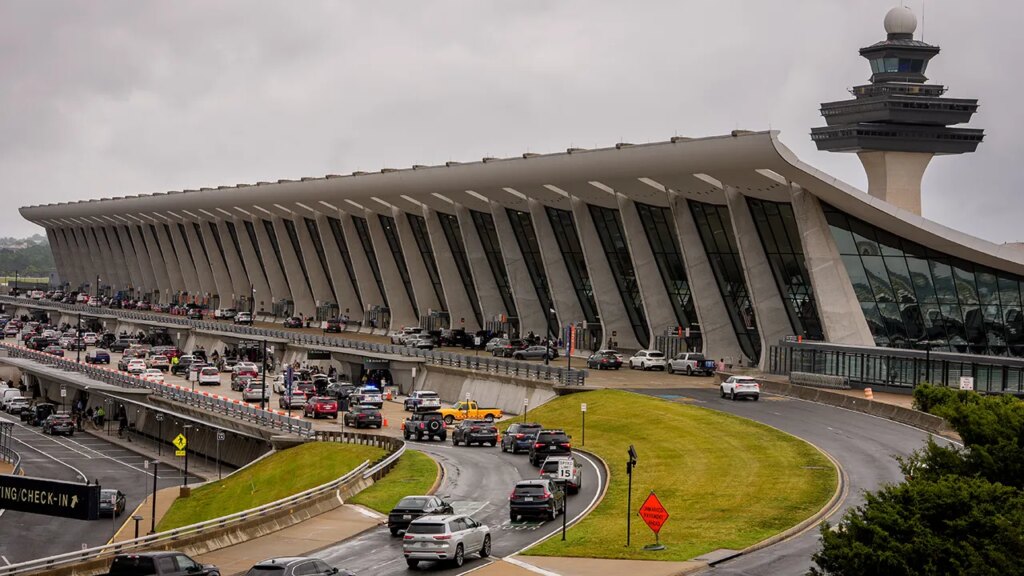
On July 6, 2026, Abdulloi Toshpulodzoda was granted an approved 48-hour pass from the Northern Virginia Mental Health Institute (NVMHI). The authorized leave had specific instructions for Toshpulodzoda, requiring him to return by July 8. However, he did not comply with this requirement. Instead, a series of actions led him to Washington Dulles International Airport, where he seized the opportunity to board a Turkish Airlines flight bound for Istanbul, eventually reaching his destination in Dushanbe, Tajikistan. This sequence of events is particularly alarming given the nature of his past criminal behavior and mental health status.
Background on the Case of Abdulloi Toshpulodzoda
In 2022, Abdulloi Toshpulodzoda was committed to the custody of the Virginia Department of Behavioral Health and Developmental Services after being found not guilty by reason of insanity for the murder of his landlord, Mohammad Hemmatian. This verdict indicated that he was deemed mentally ill at the time of the crime, rendering a conventional conviction impossible. Instead, he was placed in a treatment program, where he remained until his unauthorized absence from the facility. In late June 2026, a judge reaffirmed that Toshpulodzoda continued to be mentally ill and required ongoing inpatient treatment, thus raising questions about the decision to grant him a pass for an unsupervised visit.
Legal Framework Surrounding Patient Passes
Under Virginia law, mental health facilities like NVMHI have the authority to grant patients unaccompanied community visits lasting up to 48 hours. Despite the serious nature of Toshpulodzoda’s past actions, the legal provisions allowed for this temporary release. Court documents indicated that the facility was operating within the bounds of Virginia law, which aims to help rehabilitate committed patients by allowing qualified individuals limited freedoms. However, the facility’s decision to authorize this pass raises crucial ethical and legal concerns about assessing risk factors, especially when dealing with individuals who have committed violent acts under the influence of mental illness.
The Search and Legal Ramifications
Following Toshpulodzoda’s failure to return, NVMHI quickly acted to place him on escape status, revoking his leave and issuing a facility warrant. This move set off a chain of notifications to various law enforcement agencies, including the Virginia State Police and federal authorities. U.S. Customs and Border Protection was alerted to be on the lookout for Toshpulodzoda should he attempt to re-enter the United States. A bench warrant for his arrest was subsequently issued, demonstrating the gravity of the situation and the potential risks his absence posed to public safety.
Implications for Mental Health Policies
The escape of Abdulloi Toshpulodzoda creates a significant impetus to reevaluate mental health policies, particularly regarding the conditions under which patients are granted passes. The case has generated discourse surrounding the balance between rehabilitation efforts and public safety, especially for individuals previously deemed a danger to themselves or others. With his current status indicating he is out of reach, concerns loom over how similar cases will be managed in the future, ensuring that both mental health treatments and societal safety are adequately served.
| No. | Key Points |
|---|---|
| 1 | Abdulloi Toshpulodzoda fled to Tajikistan after receiving a 48-hour pass from a mental health facility. |
| 2 | He was committed after being found not guilty by reason of insanity for the murder of his landlord in 2019. |
| 3 | Virginia law allows mental health facilities to grant certain individuals unaccompanied passes up to 48 hours. |
| 4 | A warrant was issued for his arrest after he failed to return as required. |
| 5 | The incident has raised questions regarding mental health policies and the need for reassessment of release protocols. |
Summary
The flight of Abdulloi Toshpulodzoda serves as a critical case study prompting a reassessment of how mental health facilities manage patients who pose significant risks to public safety. As this situation unfolds, it has the potential to spark broader discussions on the effectiveness and ethics of current mental health legislation, particularly as they pertain to individuals with dangerous pasts. A continued dialogue is necessary to navigate the complex intersection of rehabilitation and community safety.
Frequently Asked Questions
Question: What charges led to Abdulloi Toshpulodzoda’s commitment?
Abdulloi Toshpulodzoda was committed after being found not guilty by reason of insanity in the murder of his landlord, Mohammad Hemmatian, in 2019.
Question: What happens when a mental health patient does not return from a pass?
When a mental health patient fails to return from an authorized pass, facilities can revoke the pass, place the individual on escape status, and issue warrants for their arrest, notifying law enforcement authorities in the process.
Question: How does Virginia law approach mental health patient visits?
Virginia law allows certain patients in mental health facilities to receive unaccompanied community visits lasting up to 48 hours, aiming to balance patient rehabilitation with public safety concerns.