
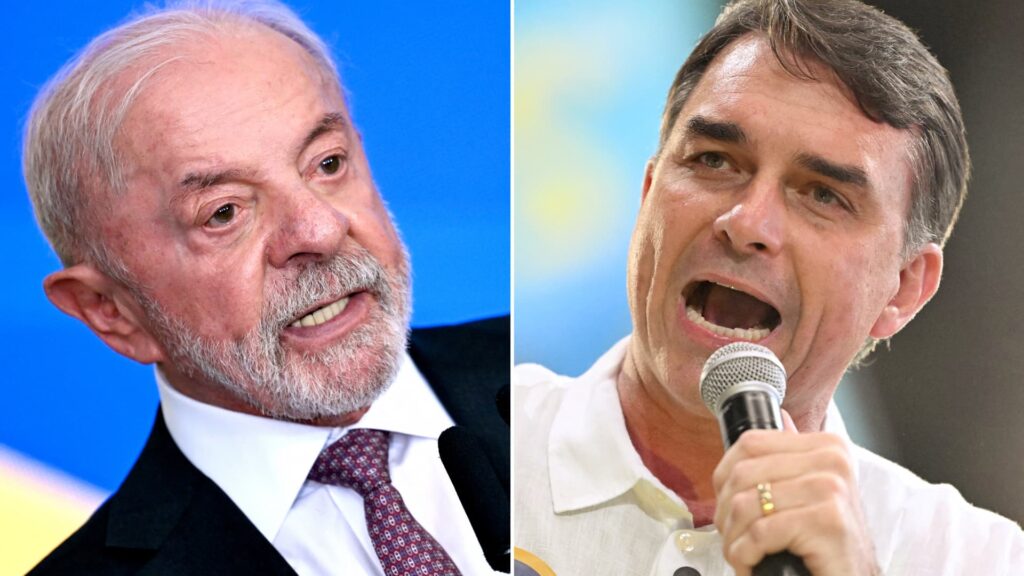
As Brazil approaches a pivotal presidential election, different outcomes could lead to marked changes in the economic landscape, critically affecting market predictions. With current polling showing a highly competitive race between leftist candidate Luiz Inacio Lula da Silva and right-wing contender Flavio Bolsonaro, Wall Street is closely monitoring the situation. If the election, set for Sunday, fails to yield a candidate with over 50% of the vote, a runoff will occur on October 25, which could further influence market dynamics.
| Article Subheadings |
|---|
| 1) Overview of Candidates and Their Policies |
| 2) Market Predictions Based on Election Outcomes |
| 3) The Implication of Fiscal Policies on Economic Growth |
| 4) Legislative Impact on Economic Reforms |
| 5) Risks Facing Brazil’s Economic Future |
Overview of Candidates and Their Policies
In Brazil’s upcoming presidential election, Luiz Inacio Lula da Silva, commonly referred to as Lula, is running for a fourth term against Flavio Bolsonaro, the son of former President Jair Bolsonaro. Lula, aged 80, represents the leftist Workers’ Party and promises to address issues like poverty and inequality. Conversely, the 45-year-old Bolsonaro is part of the right-wing Liberal Party and advocates for strong fiscal discipline and pro-business policies. His platform emphasizes the need for reform in Brazil’s economic structure to attract investment. Both candidates have significant followings and differing visions for the country’s path forward.
Market Predictions Based on Election Outcomes
As the election approaches, the marketplace is experiencing fluctuations as analysts gauge potential outcomes. According to experts, the effectiveness of the candidates from both parties will shift market dynamics significantly. Fernando Marengo, chief economist at Black Toro Global Investments, believes that the core issue revolves around the possibilities of Lula emerging victorious or Bolsonaro seizing the presidency. If Bolsonaro wins, Wall Street forecasts a potential rally for Brazil’s bonds, currency, and equity markets due to his commitment to fiscal reform. Predictions indicate a probability of a Bolsonaro victory at 60%, compared to Lula’s 39%, as noted in emerging prediction markets.
The Implication of Fiscal Policies on Economic Growth
One focal point of the election is Brazil’s current fiscal health. The country’s debt-to-GDP ratio stands at 81.9% and has increased by 10% since Lula’s previous tenure. Economists argue that Brazil urgently needs a permanent fiscal adjustment to stabilize public debt. Leonardo Porto, head economist for Citi in Brazil, articulates that substantial political will is required to implement significant cuts or revenue-generating tax increases. Reality suggests this is a challenge; nearly 90% of Brazil’s budget is mandated by law, and its current tax burden is among the highest in Latin America, which further complicates prospects for economic growth.
Legislative Impact on Economic Reforms
The upcoming elections will also determine the composition of Brazil’s legislature, with all lower house members and a third of the upper house up for grabs. This will play a crucial role in either candidate’s ability to achieve their proposed reforms. A pro-business electoral outcome could lead to legislative shifts similar to those witnessed in Colombia and Peru, where recent elections of pro-business candidates have spurred significant economic and market growth. In this context, Marengo emphasizes that while some positive market movements may already be priced into current valuations in Brazil, the potential for further advancements could be strong, hinging upon the eventual election result.
Risks Facing Brazil’s Economic Future
Foremost among the risks that could impede Brazil’s economic progress are rising global interest rates and factors related to El Niño, which could potentially damage agricultural exports—an essential area of Brazil’s economy. In tandem, the political volatility stemming from the pre-election environment presents its own uncertainties. Experts caution that while the political climate could present opportunities for economic growth, external factors need careful monitoring to ensure they do not impede progress.
| No. | Key Points |
|---|---|
| 1 | Brazil’s presidential election features a tight race between two strong candidates. |
| 2 | Market predictions are dependent on whether Lula or Bolsonaro wins the election. |
| 3 | Fiscal policies and economic reforms are crucial topics with significant implications for Brazil’s economy. |
| 4 | The composition of the legislature will be key in determining the new government’s ability to implement reforms. |
| 5 | Global interest rates and environmental factors pose risks to Brazil’s economic outlook. |
Summary
As Brazil prepares for its critical presidential election, various economic and political dynamics are in play that could significantly alter the country’s direction. The contrasting views of Lula and Bolsonaro on the future of fiscal policy and economic reform, alongside issues in global financial markets, render this election momentous. The outcome of this election will not only determine Brazil’s leadership but will also dictate the broader economic trajectory for years to come, amidst rising stakes and external pressures.
Frequently Asked Questions
Question: What are the main issues at stake in the Brazilian election?
The main issues at stake include fiscal policy reform, economic growth strategies, and addressing poverty and inequality. Each candidate has distinctly different approaches, which will heavily influence Brazil’s economic future.
Question: How might a Bolsonaro victory impact the markets?
If Bolsonaro wins, analysts expect a rally in Brazilian stocks and bonds, driven by his commitment to implementing fiscal discipline and pro-business policies.
Question: What risks could affect Brazil’s economy post-election?
Post-election risks include rising global interest rates and prevailing weather conditions like El Niño, which may have detrimental effects on Brazil’s agricultural sector, further impacting economic stability.