
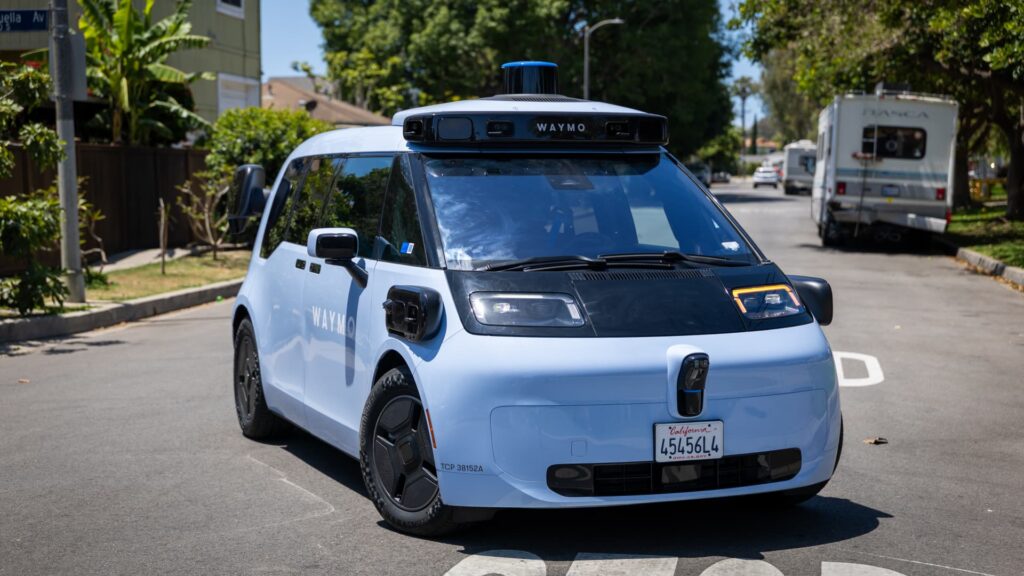
In a significant move for the burgeoning autonomous vehicle (AV) market, Waymo, a leader in the field, has expanded its commercial operations by introducing driverless rides in three new U.S. cities. These announcements coincide with fellow robotic taxi contender Zoox, owned by Amazon, which is set to pilot operations in additional markets. The accelerating pace of AV technology promises not only substantial industry growth but also a series of challenges regarding safety and employment within the transportation sector.
| Article Subheadings |
|---|
| 1) Waymo’s Expansion into New Cities |
| 2) Zoox’s Testing Plans and Market Presence |
| 3) Market Projections for the Robotaxi Industry |
| 4) Challenges Facing Autonomous Vehicle Adoption |
| 5) Safety Concerns and the Future of AV Technology |
Waymo’s Expansion into New Cities
Waymo is making a remarkable stride in its bid to dominate the autonomous vehicle landscape by launching its driverless ride service in San Diego, Tampa, and Denver. This expansion marks the first commercial AV operation for Waymo in Colorado, showcasing its growth and commitment to reaching more urban areas. The automaker now operates over 4,000 vehicles across 14 cities, featuring a new model named Ojai. This model, based on a Zeekr minivan chassis, boasts advanced technological features such as automatic sliding doors and an entertainment system with integrated services like Gemini.
In the new cities, Waymo plans to deploy dozens of these robotaxis, with expectations to scale up to hundreds in the future. Customers interested in availing themselves of this service must hail rides through the Waymo app. The company’s fleet already facilitates over half a million rides weekly, and it aims to surpass the one million mark by the end of 2026. Waymo’s strategy emphasizes the importance of leveraging technology and customer convenience in advancing its services.
Zoox’s Testing Plans and Market Presence
Meanwhile, Zoox is also looking to build upon its current offerings, although it has not yet reached the scale of Waymo. The company plans to pilot its robotic taxi systems in Houston and San Diego, using retrofitted Toyota Highlander SUVs with advanced mapping and automation technology. This initiative enables Zoox to expand its operational footprint to 12 cities, marking a significant step toward enhancing its ride-hailing services. Currently, Zoox’s paid ride service only operates in Las Vegas, while it offers free rides in specific areas of San Francisco, signaling its emerging status in the competitive market.
While the company has ambitious plans to expand its market presence, it has yet to announce when a paid service will be launched in San Francisco. The emphasis on testing and retrofitting vehicles demonstrates Zoox’s commitment to ensuring safety and efficiency in its services, even as it competes with established players like Waymo.
Market Projections for the Robotaxi Industry
The competitive landscape of the robotaxi market is projected to witness exponential growth over the next few years. Analysts from Goldman Sachs predict that the U.S. robotaxi market will balloon to $19 billion by 2030, compared to just $3 billion in 2024, with estimates reaching as high as $48 billion by 2035. This anticipated growth reflects a robust consumer demand for AV options, propelled by technological advancements and an increased focus on sustainability within urban environments.
The sustained interest and investment in AV technology suggest that many urban areas may soon adapt their policies and infrastructure to accommodate these autonomous vehicles. With companies like Waymo and Zoox pushing the boundaries of what’s possible in ride-hailing services, it is no surprise that stakeholders across various sectors are keenly observing the market trends that could reshape the transportation landscape.
Challenges Facing Autonomous Vehicle Adoption
Despite the rapid advancement of AV technology, there are notable challenges that could hinder its widespread adoption. Labor leaders have voiced concerns that the proliferation of autonomous vehicles may lead to job losses within the transportation sector, an issue that deserves attention as the market continues to evolve. Additionally, advocates for vehicle safety stress the need for transparency in disclosing safety metrics, crash data, and the miles driven by these vehicles.
These challenges underscore the importance of balancing technological progress with socio-economic implications. As Waymo and Zoox navigate their expansion strategies, they must also work to address public concerns and engage in discussions about the broader impact of autonomous vehicles on society.
Safety Concerns and the Future of AV Technology
Safety remains a paramount concern as the autonomous vehicle sector experiences exponential growth. Incidents involving AVs, particularly in adverse weather conditions or unusual traffic scenarios, have raised red flags. There are calls for more rigorous safety assessments and protocols to ensure that AVs can operate without significant risks to public safety. Such incidents have led to traffic gridlock and have pushed emergency responders to take manual control in specific situations.
Addressing safety concerns will take a concerted effort from all industry players, necessitating stricter regulations and a commitment to transparency. Both Waymo and Zoox will need to demonstrate their commitment to safety by providing comprehensive data on vehicle performance, which could help build trust among consumers and stakeholders. As the technology matures, the future of AVs hinges on their ability to reassure the public of their safety and reliability.
| No. | Key Points |
|---|---|
| 1 | Waymo is launching driverless rides in San Diego, Tampa, and Denver. |
| 2 | Zoox plans to test its vehicles in Houston and San Diego. |
| 3 | Market projections indicate a significant growth in the robotaxi sector by 2035. |
| 4 | Concerns over job losses and safety issues have surfaced regarding AV deployment. |
| 5 | Companies must prioritize safety and transparency to overcome public skepticism. |
Summary
The race toward fully autonomous vehicles is gaining momentum with Waymo and Zoox leading the charge. Waymo’s expansion reflects a strategic move to reinforce its market position, while Zoox’s testing in new regions hints at the competitive spirit propelling the industry forward. However, the road ahead is fraught with challenges, including labor concerns and safety issues. Addressing these topics will be crucial for both companies as they strive not only for market dominance but also for public trust in their technologies. The coming years will be pivotal in determining the long-term impact of autonomous vehicles on urban transportation and society at large.
Frequently Asked Questions
Question: What are the new cities where Waymo is launching its service?
Waymo is expanding its driverless ride service to San Diego, Tampa, and Denver, marking its first commercial operations in Colorado.
Question: What vehicles will Zoox use for its testing?
Zoox plans to test retrofitted Toyota Highlander SUVs equipped with its mapping and automation systems in Houston and San Diego.
Question: How many rides does Waymo currently provide weekly?
Waymo currently facilitates over 500,000 robotaxi rides in the U.S. each week, with an ambitious goal to surpass one million rides per week by the end of 2026.