
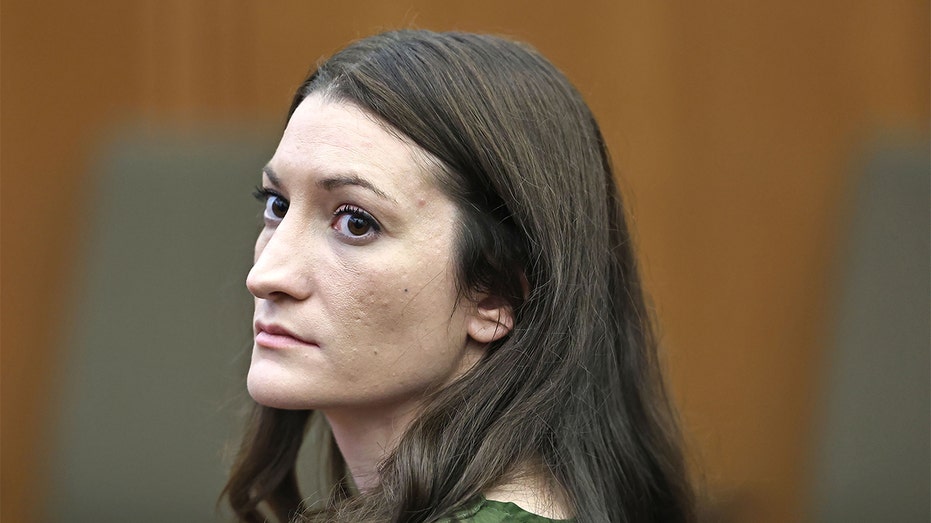
Lindsay Clancy’s murder trial entered a critical stage after jurors twice reported that they could not reach a unanimous verdict. Judge William Sullivan responded by issuing a Tuey-Rodriguez charge, a Massachusetts instruction designed to encourage further deliberations without pressuring jurors to surrender sincerely held views. The jury will continue considering the case before the judge decides whether a mistrial is necessary.
The instruction does not signal that a verdict is imminent, but it is commonly used before a judge declares a hung jury. Clancy faces three first-degree murder charges connected to the January 2023 deaths of her children at the family’s home in Duxbury, Massachusetts.
| 1) | Why the jury received the instruction |
| 2) | How a Tuey-Rodriguez charge works |
| 3) | The legal history behind the charge |
| 4) | What it means for the murder trial |
| 5) | What may happen next |
Why the jury received the instruction
The jury received the charge Wednesday after reporting for a second time that it remained unable to agree unanimously. Judge William Sullivan had already sent the jurors back to deliberate Tuesday, when they first indicated that they were struggling to resolve the case.
The charge was delivered in Plymouth Superior Court as the jurors continued weighing evidence in the prosecution of Lindsay Clancy. Its purpose was to provide a formal reminder that additional discussion could help the panel evaluate competing views, while preserving each juror’s duty to follow an honest judgment.
How a Tuey-Rodriguez charge works
A Tuey-Rodriguez charge is given to a deadlocked jury in Massachusetts. It encourages jurors to reconsider their positions with an open mind and to carefully assess the views of their fellow jurors. At the same time, it tells them not to abandon conclusions they sincerely believe are correct merely to produce a verdict.
The instruction is sometimes called a “dynamite charge” because it is intended to break an impasse. Its design is meant to avoid coercion by addressing the full jury rather than singling out minority or holdout members.
The charge encourages the jurors to rethink their own feelings in light of what other jurors feel while recognizing that no one is in a better position to decide the case than the jurors who heard all the evidence.
Retired Massachusetts Superior Court Judge Thomas Drechsler said the instruction is generally used after a judge determines that the jury has fully deliberated but remains divided.
The legal history behind the charge
The instruction takes its name from two decisions by the Massachusetts Supreme Judicial Court. In Commonwealth v. Tuey, decided in 1851, the court approved language encouraging deadlocked jurors to re-examine their views with an open mind.
The state’s highest court revisited the language more than a century later in Commonwealth v. Rodriguez, a 1973 decision. That ruling revised the instruction to reduce pressure on minority jurors and establish a more neutral request that all members consider one another’s reasoning while retaining honestly held convictions.
What it means for the murder trial
The charge does not mean that the jury is close to reaching a verdict. It does indicate that the judge considers further deliberations appropriate after the panel has reported an impasse. The jury must still decide whether the prosecution proved its case beyond a reasonable doubt.
Lindsay Clancy does not dispute that she killed her three children, Cora, Dawson and Callan, in January 2023. Her defense argues that she was experiencing postpartum psychosis and was not criminally responsible at the time. Prosecutors contend that she was legally sane and intentionally planned the killings.
What may happen next
Jurors will continue deliberating after receiving the Tuey-Rodriguez instruction. They may reach a unanimous verdict, as some juries do after receiving the charge, or they may again tell the court that they cannot agree.
If the deadlock continues, Judge William Sullivan could declare a mistrial. Prosecutors would then decide whether to seek a new trial. Thomas Drechsler said a continued impasse after the charge creates a greater possibility of a mistrial, although he has also seen juries return verdicts after the instruction.
| Number | Key Point |
|---|---|
| 1 | The jury reported twice that it could not reach a unanimous verdict. |
| 2 | The Massachusetts charge encourages continued discussion without coercing jurors. |
| 3 | The instruction originated in two state Supreme Judicial Court decisions. |
| 4 | A continued deadlock could lead to a mistrial and a possible new trial. |
Summary
The Tuey-Rodriguez charge gives the Lindsay Clancy jury another opportunity to resolve the case while protecting jurors from pressure to abandon honest conclusions. It is an important procedural step, but it does not predict whether the panel will reach a verdict. The next outcome depends on whether continued deliberations produce unanimity or leave the court facing a mistrial.
Frequently Asked Questions
What is a Tuey-Rodriguez charge?
It is a Massachusetts instruction given to a deadlocked jury, encouraging further consideration of the evidence while telling jurors not to surrender honestly held beliefs simply to reach a verdict.
Does the charge mean a verdict is imminent?
No. The charge can lead to a unanimous verdict, but it can also be followed by continued disagreement and a possible mistrial.
What happens if the jury remains deadlocked?
Judge William Sullivan could declare a mistrial. Prosecutors would then decide whether to pursue a new trial against Lindsay Clancy.