
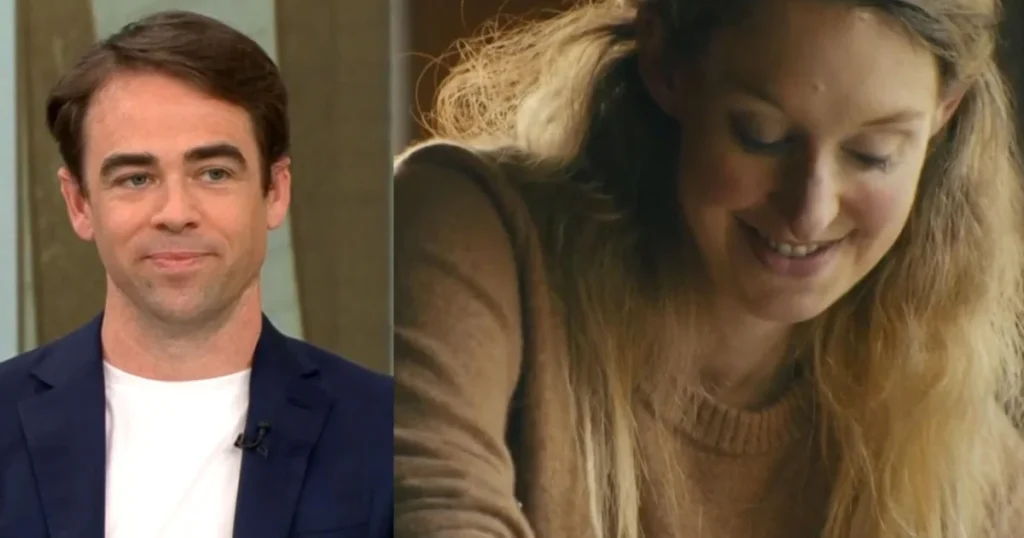
In a recent documentary titled “You Can See Everything,” former Theranos employee and whistleblower Tyler Shultz expressed his shock at the portrayal of Elizabeth Holmes, the infamous founder of the failed biotech company. Shultz, speaking on “CBS Mornings,” commented on how the confident and commanding woman he once knew appeared as a visibly broken figure onscreen. The documentary unveils a series of misrepresentations by Holmes regarding her company’s technology, especially a crucial device that she claims could conduct blood tests effectively. This portrayal raises questions about her integrity, especially in light of her previous conviction for defrauding investors.
| Article Subheadings |
|---|
| 1) Whistleblower’s Perspective on the Documentary |
| 2) The Misrepresentation of Theranos Technology |
| 3) Legal Consequences and Public Outcry |
| 4) Personal Insights from Tyler Shultz |
| 5) The Documentary’s Reception and Impact |
Whistleblower’s Perspective on the Documentary
In the documentary “You Can See Everything,” Tyler Shultz discusses his experiences with Elizabeth Holmes and the controversial Theranos company. During an interview on “CBS Mornings,” Shultz expressed disbelief regarding the depiction of Holmes compared to the commanding persona he remembered. Describing her as a woman who was once capable of captivating prominent figures—including secretaries of state and military leaders—Shultz stated that the onscreen portrayal depicted a “broken woman.” This stark contrast raised alarm bells for many who knew the ambitious entrepreneur in her heyday, fostering public skepticism about the validity of her character in the film.
The Misrepresentation of Theranos Technology
Shultz raised critical concerns regarding the accuracy of the devices shown in the documentary. He pointed out a significant discrepancy when Holmes presented what she claimed was the Theranos blood-testing device. According to Shultz, the equipment displayed bore little resemblance to the technology he worked with daily at Theranos, which often fell short of quality control standards and had been hidden from regulators. His revelation that the depicted device was not the one used for patient testing but instead a misleading portrayal deepens the conversation surrounding the ethics of representation in documentaries. The implications of such misrepresentations not only affect public understanding but also highlight systematic failures that played a part in the Theranos scandal.
Legal Consequences and Public Outcry
The fallout from the Theranos scandal has been profound, resulting in numerous legal battles and widespread public outrage. In 2022, Elizabeth Holmes was convicted on multiple counts of fraud for deceiving investors about the capabilities of her company’s technology. These charges stemmed from her claims that Theranos could conduct comprehensive medical tests with just a drop of blood, a notion that ultimately proved to be false. The documentary also showcases her life in 2023, weeks before her 11-year prison sentence, providing a glimpse into her personal circumstances during this tumultuous time. Holmes’s refusal to admit any wrongdoing underscores her controversial stance, which has infuriated many who feel misled by her business practices.
Personal Insights from Tyler Shultz
As a whistleblower, Tyler Shultz has borne witness to the inner workings of Theranos from a unique perspective. Initially joining the company as an intern in 2013, Shultz was motivated by familial connections, with his grandfather, former U.S. Secretary of State George Shultz, serving on the board. After leaving the company, his decision to inform regulatory agencies and the press about the misleading practices at Theranos highlighted the risks and challenges faced by whistleblowers. His insights have contributed significantly to public discourse about corporate ethics, accountability, and the repercussions of unchecked ambition in the tech industry, marking him as an important figure in exposing the truth behind the Theranos story.
The Documentary’s Reception and Impact
The documentary “You Can See Everything” premiered recently, achieving remarkable commercial success by grossing $15 million during its opening weekend. This impressive figure marks it as the second-most profitable opening weekend for a documentary, suggesting a keen interest from the public in the Theranos saga. As reports flood in about the film’s content, many viewers are left contemplating the broader implications of the stories presented and the lessons that can be drawn from them. The juxtaposition of personal narratives with the harsh realities of corporate fraud could inspire discussions about the need for greater regulatory oversight in the technology and healthcare sectors, reflecting a collective desire for transparency and accountability.
| No. | Key Points |
|---|---|
| 1 | Tyler Shultz expresses shock at the portrayal of Elizabeth Holmes in the documentary. |
| 2 | Concerns raised about the accuracy of the Theranos technology depicted in the film. |
| 3 | Holmes was convicted for fraud in 2022, representing a significant legal fallout. |
| 4 | Tyler Shultz’s journey as a whistleblower sheds light on corporate ethics. |
| 5 | The documentary’s financial success indicates public interest in the Theranos story. |
Summary
The documentary “You Can See Everything” serves as a compelling and critical examination of the Theranos scandal through the eyes of whistleblower Tyler Shultz. By highlighting the discrepancies in Elizabeth Holmes‘ portrayal, the film ignites important discussions about ethics, accountability, and the potential for deception in the tech industry. As public awareness grows, the implications of the Theranos saga continue to resonate, prompting ongoing reflection regarding corporate values and the regulatory measures necessary to protect investors and consumers alike.
Frequently Asked Questions
Question: Who is Tyler Shultz?
Tyler Shultz is a former employee of Theranos and a whistleblower who played a key role in exposing the company’s fraudulent practices.
Question: What are the main claims against Elizabeth Holmes?
Elizabeth Holmes was convicted of fraud for misrepresenting Theranos’ blood-testing technology, claiming it could perform comprehensive tests from just a drop of blood, which it could not.
Question: How has the public responded to the documentary about Theranos?
The documentary “You Can See Everything” has received significant public interest, grossing $15 million during its opening weekend, reflecting a widespread desire to understand the events surrounding the Theranos scandal.