
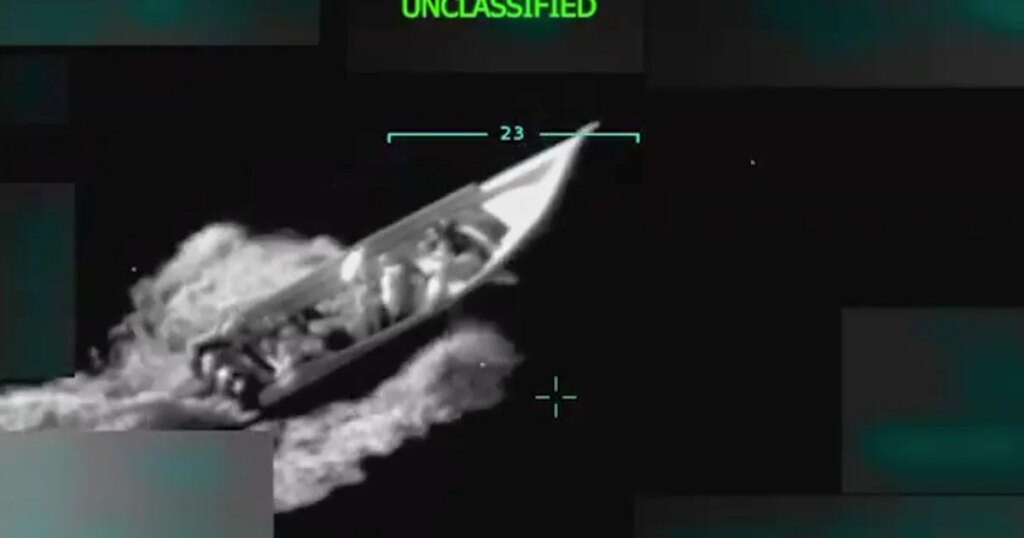
In a developing story from the White House regarding a U.S. military operation, officials confirmed that a drug smuggling boat was attacked multiple times during an engagement in the Caribbean on September 2. This development follows significant scrutiny and backlash against the military’s decision to target alleged survivors after the initial strike. With lawmakers from both parties calling for an investigation into the potential implications of these actions, the administration has defended its operations, even as concerns about their legality arise.
| Article Subheadings |
|---|
| 1) Background of the Incident |
| 2) Official Statements and Reactions |
| 3) Legal and Ethical Concerns |
| 4) Ongoing Investigations |
| 5) Broader Implications and Policy Context |
Background of the Incident
On September 2, during a military operation aimed at combating drug trafficking in the Caribbean, a U.S. airstrike targeted an alleged drug smuggling boat. Initial reports indicate that the first strike resulted in substantial damage to the vessel. However, two individuals were reported alive in the water following this engagement. The U.S. military assets involved in this operation came under scrutiny when information surfaced that a second strike was ordered to eliminate these survivors.
Key figures in the operation included Defense Secretary Pete Hegseth and the commander overseeing the mission, Admiral Frank Bradley. The decision to execute a second strike created a considerable amount of controversy, particularly after it was reported that an explicit directive to ensure no survivors were left was allegedly given by Hegseth.
The military’s engagement was part of broader efforts to intercept the drug trafficking networks that have been notably harmful to the U.S. population. It has been asserted that these networks are linked to considerable deaths related to drug overdoses, thereby justifying aggressive countermeasures by the U.S. military.
Official Statements and Reactions
The White House faced immediate questions following the revelations about the dual strikes. During a media briefing, press secretary Karoline Leavitt was questioned about the accuracy of the reports. She stated, “The latter is true,” in response to inquiries about whether the second strike had occurred, while maintaining that these operations were conducted under the lawful scope of military engagement.
“President Trump and Secretary Hegseth have made it clear that presidentially designated narcoterrorist groups are subject to lethal targeting in accordance with the laws of war,” Leavitt said.
Further, President Donald Trump expressed that he had confidence in Hegseth’s decision-making during the incident, asserting that while he would not have desired a second strike, it was Hegseth’s prerogative to manage the situation as he saw fit. “Pete said he did not order the death of those two men,” Trump clarified during his comments aboard Air Force One.
The discussions around the moral and legal implications resulted in bipartisan calls from lawmakers for immediate scrutiny of the operation. Prominent figures in Congress expressed concern over whether these actions could be classified as war crimes or illegal acts under both international and domestic law.
Legal and Ethical Concerns
The legality of the second attack on survivors has prompted intense discussion among legal experts and former military officials. Some have argued that targeting individuals who posed no immediate threat and were thus not a combatant constitutes a violation of established rules regarding warfare, specifically those relating to the treatment of the injured. Former Defense Secretary Leon Panetta stated that the basic rules of war dictate the necessity to avoid harm to those who are already wounded.
The ethical implications of such military decisions raise questions about the principles of proportionality and necessity in the use of force. Reports suggest that doing harm to those already incapacitated is both legally questionable and morally reprehensible.
As the conversation continues, experts are citing precedents from previous conflicts where similar decisions have been met with legal consequences, emphasizing the critical need for adherence to international human rights standards during military operations.
Ongoing Investigations
As reports of the dual strikes reverberate throughout Washington, congressional leaders from both parties have pledged to probe the actions taken during the September operation. Senate Armed Services Committee chairman Roger Wicker indicated that he has been in communication with Hegseth and others involved in the operation, aiming to gather more in-depth details surrounding the second strike.
The investigations are expected to delve into the command protocol and decision-making process that led to the controversial order. Wicker expressed that he intends to ensure that all audio and video recordings of the incident are made available and closely reviewed to ascertain the facts surrounding the engagement.
Democratic lawmakers, such as Senator Tim Kaine, have publicly articulated fears that such actions could exist within the framework of war crimes. There is a pervasive sense among certain lawmakers that this operation could have severe implications for U.S. military ethics and international law.
Broader Implications and Policy Context
This controversial incident occurs against the backdrop of ongoing U.S. military operations aimed at combating the influx of illicit drugs into American communities. Given that drug trafficking has significantly impacted public health, administration officials maintain that aggressive military action is often justified to prevent further harm.
President Trump defended the operations, asserting that they have made substantial impacts in reducing the amount of drugs entering the U.S. He acknowledged the scale of the issue, indicating that “each boat is responsible for killing 25,000 Americans,” thereby underscoring the perceived urgency in addressing the threat posed by drug trafficking.
As investigations unfold, lawmakers will face the challenge of balancing the immediate operational needs of the military with the broader implications for U.S. principles regarding warfare, human rights standards, and international law.
| No. | Key Points |
|---|---|
| 1 | An attack on a drug smuggling vessel on September 2 resulted in controversy surrounding a second strike on survivors. |
| 2 | Officials confirmed the second strike was executed under directives from defense leadership. |
| 3 | Legal experts and lawmakers are raising concerns about potential violations of international law regarding the treatment of combatants. |
| 4 | The incident has prompted investigations from lawmakers in both parties, indicating a push for accountability. |
| 5 | The broader context of U.S. military interventions against drug trafficking illuminates ongoing ethical debates about warfare. |
Summary
In summary, the dual strikes on the drug smuggling boat have raised substantial questions regarding U.S. military protocols and ethics in warfare. With bipartisan calls for investigations underway, the implications of the military’s actions could resonate far beyond this specific incident. As the legality of these strikes is scrutinized, the ongoing dialogue regarding the United States’ approach to drug trafficking must also be addressed, ensuring adherence to both domestic laws and international agreements.
Frequently Asked Questions
Question: What are the consequences of military actions resulting in civilian casualties?
Military actions that result in civilian casualties can lead to severe legal consequences and public backlash, particularly if those actions are deemed unlawful under international law. They often prompt investigations and can cause significant diplomatic relations strain.
Question: How does the U.S. justify military operations against drug trafficking?
The U.S. justifies military operations against drug trafficking by emphasizing the severe public health risks posed by illegal drugs and framing the operations as necessary for national security, especially when related to international narcoterrorism.
Question: What are the implications of defining drug traffickers as ‘terrorists’?
Defining drug traffickers as ‘terrorists’ allows for a more aggressive military response under U.S. laws and international norms. However, it raises serious ethical questions about the treatment of non-combatants and the established rules of warfare that govern military engagements.