
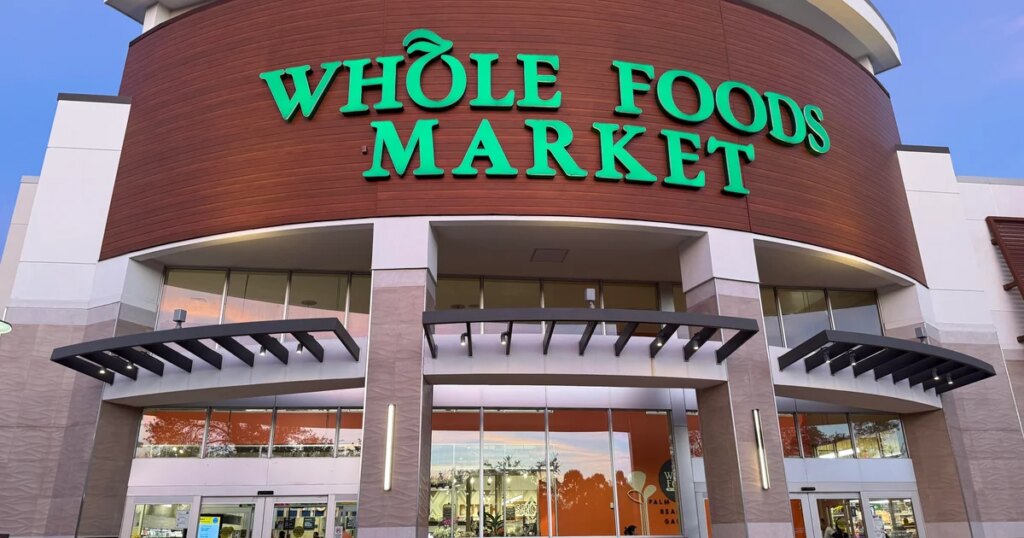
Whole Foods Market has initiated a recall of several jalapeño products following a salmonella outbreak linked to a supplier in Mexico. This action affects a range of products, including salsas and prepared foods, distributed across multiple U.S. states. Despite the potential health risks, officials report no cases of illness so far connected with these items.
| Article Subheadings |
|---|
| 1) Overview of the Recall |
| 2) Affected Products and Distribution |
| 3) Health Concerns Related to Salmonella |
| 4) Corporate Responsibility and Consumer Safety |
| 5) Future Implications and Consumer Guidance |
Overview of the Recall
Whole Foods Market, a popular grocery chain owned by Amazon, has proactively recalled jalapeño products after it was determined that a supplier in Mexico might be the source of a troubling salmonella outbreak. This decision aligns with broader industry efforts to safeguard public health and ensure food safety across retail markets. As news surrounding the outbreak has become prevalent, officials have stressed the importance of transparency and swift action in managing food safety concerns.
Affected Products and Distribution
The products recalled include various salsas, guacamole, pico de gallo, and other prepared food items that were marked with “Best Before” or “Best By” dates ranging between August 7 and August 14. The Food and Drug Administration (FDA) revealed that the jalapeños in question were sourced from Coast Citrus Distributors and distributed in states such as Texas, Oklahoma, Louisiana, Arkansas, Wisconsin, Michigan, Illinois, Indiana, Iowa, Missouri, Kentucky, and Ohio. The comprehensive list of affected products is available on the FDA’s website, ensuring consumers can easily check if their purchases are implicated in this recall.
Health Concerns Related to Salmonella
Salmonella is a bacteria that can result in severe gastrointestinal distress, including diarrhea, fever, and stomach cramps within a period of eight to 72 hours following exposure. The Centers for Disease Control and Prevention (CDC) began tracking these cases last month and identified a correlation between the outbreak and jalapeños cultivated in Sinaloa, Mexico. While the FDA is still monitoring the situation, health officials have assured the public that no confirmed illnesses have been reported in connection with the recalled jalapeño products, enhancing the ongoing scrutiny over food sources and consumer health protection.
Corporate Responsibility and Consumer Safety
In a statement released by a spokesperson for Whole Foods, the retailer emphasized its commitment to customer safety:
“Nothing matters more to us than our customers’ safety.”
Following this announcement, Whole Foods instructed customers who purchased any of the recalled products to dispose of them and provided information for obtaining a refund. The company’s actions reflect a broader trend within the food industry where brands prioritize consumer safety by complying with precautionary measures and cooperating with health agencies.
Future Implications and Consumer Guidance
The swift recall of these jalapeño products by Whole Foods underscores the importance of vigilance within the food supply chain. As similar recalls occur, including those involving Chipotle and other brands linked to cyclospora outbreaks, retailers are compelled to initiate rigorous testing and inspection processes on their products. Consumers are encouraged to remain informed about food recalls and to assess their purchases carefully, especially when it comes to fresh produce. Additionally, ongoing education about proper food handling and preparation can further mitigate risks associated with foodborne illnesses.
| No. | Key Points |
|---|---|
| 1 | Whole Foods has recalled jalapeño products due to a potential salmonella outbreak. |
| 2 | The recall affects salsas, guacamole, and prepared foods sold in multiple states. |
| 3 | No illnesses have yet been reported linked to the recalled products. |
| 4 | Health officials are monitoring the situation closely. |
| 5 | Consumers are advised to dispose of affected products and seek refunds. |
Summary
The recall issued by Whole Foods signifies a critical moment in the ongoing dialogue concerning food safety in retail markets. By taking immediate action, the company not only prioritizes the safety of its customers but also sets a precedent for other brands in the industry. As outbreaks and recalls continue to emerge, the importance of consumer awareness and corporate responsibility remains paramount in the effort to prevent foodborne illnesses.
Frequently Asked Questions
Question: What should consumers do if they purchased the recalled products?
Consumers are advised to dispose of the recalled products and contact Whole Foods for a refund.
Question: What are the symptoms of a salmonella infection?
Symptoms may include diarrhea, fever, and stomach cramps, typically appearing within eight to 72 hours after exposure.
Question: How has Whole Foods responded to the recall?
Whole Foods has stated that customer safety is paramount and is actively facilitating refunds for the affected products while cooperating with health authorities.