
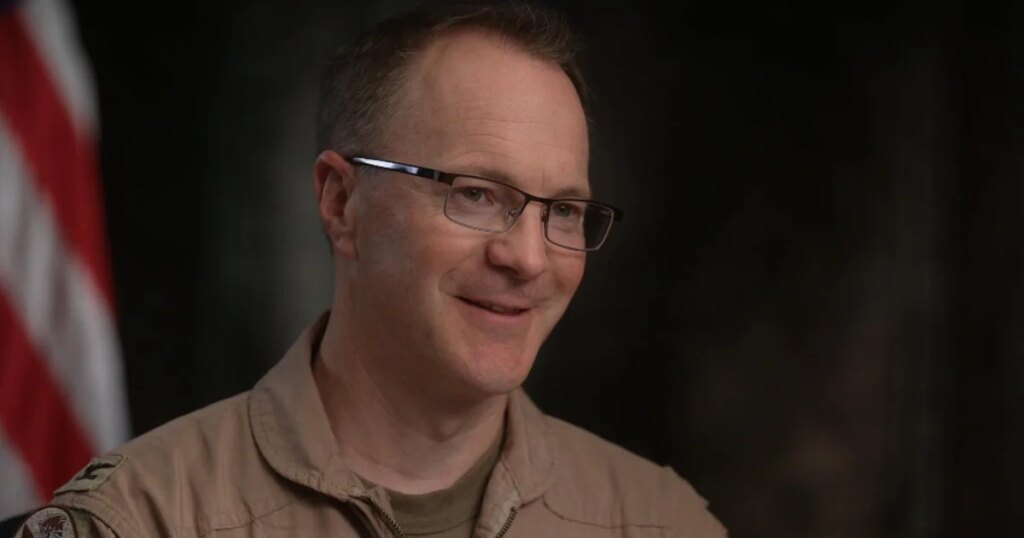
A recent military operation has highlighted the resilience and capability of the U.S. armed forces as they undertook a complex and dangerous mission to rescue two fighter jet pilots shot down over Iran. The incident, which occurred on April 2, involved a significant response from various military branches amidst escalating tensions in the region due to an ongoing conflict that has resulted in the loss of U.S. lives. With the backdrop of an unpopular war, the desperate measures taken to save the pilots underscore the commitment to ensuring that no service member is left behind.
| Article Subheadings |
|---|
| 1) The Background of the Conflict |
| 2) The Downing of the Fighter Jet |
| 3) The Decision to Rescue |
| 4) The Rescue Operations |
| 5) The Aftermath of the Mission |
The Background of the Conflict
The military engagement between the United States and Iran escalated significantly following a series of provocative actions that culminated in the initiation of hostilities in February. By that time, the U.S. had established air superiority with roughly 13,000 missions flown over Iranian territories. The apparent efficacy of U.S. air power was shadowed by the risks of operating in a hostile environment where Revolutionary Guard forces were capable of engaging U.S. assets with advanced weaponry.
Authorities reported that the conflict was largely concentrated in strategic areas, specifically those where Iran housed its nuclear materials and military infrastructure. As tensions heightened throughout March, the nature of engagements shifted, exposing vulnerabilities within the American aerial tactics. The backdrop of this conflict heightened the stakes for the military personnel involved, as both strategic objectives and the safety of aircrews became paramount in the operational calculus.
The Downing of the Fighter Jet
On April 2, a pivotal moment transpired as an F-15E fighter jet, designated DUDE 44, was intercepted and brought down by a shoulder-fired missile, a weapon which, although relatively inexpensive compared to the aircraft itself, signified a serious threat to U.S. aircraft. The cost of the jet was approximately $30 million, and its operational capabilities had been essential in executing airstrikes on critical targets within Iran.
The incident was not without consequence; the downing of DUDE 44 left two pilots—referred to by their mission call signs, Bravo and Alpha—stranded in a mountainous region south of Isfahan. The alarm set off a vast military response, reminiscent of some of the largest search and rescue operations in U.S. military history. Officials palpably felt the urgency as Iranian forces pursued the downed pilots, sparking fears of capture or worse.
Adm. Brad Cooper, the commander overseeing U.S. operations against Iran, articulated the nature of the pilots’ mission at the time of their downing. It was not linked to the highly sensitive nuclear facility in Isfahan but was rather focused on striking industrial locations related to missile and drone programs. This nuance played a role in the subsequent strategy to recover the pilots without escalating hostilities further.
The Decision to Rescue
With the real-time intelligence presenting an array of grim possibilities, U.S. military officials immediately mobilized to coordinate a rescue operation. Defense Secretary Pete Hegseth, upon being informed of the downed jet, conveyed the immediate instinctual reaction to ensure the safety of the pilots. His assertion,
“whether they’re alive or not, we’re gonna go get ’em,”
delineated the seriousness with which the military approached the potential loss of life.
The situation depicted a critical juncture for U.S. forces—on one hand lay the moral obligation to rescue their fellow soldiers, and on the other, the risks of escalating conflict with Iranian forces who were actively searching for the downed pilots.
The command decision to initiate a large-scale rescue operation, encompassing both aerial and ground forces, illustrated a deep commitment to the military ethos of recovering their own. Operational plans were swiftly articulated, positioning multiple helicopters and aircraft for a coordinated response.
The Rescue Operations
The execution of the rescue operation unfolded under considerable scrutiny. Initially, a pair of helicopters flew in to retrieve Alpha, who was located first. The operation faced hostile conditions as Iranian forces launched an immediate counter-response, resulting in direct gunfire during the rescue attempt. Videos from the ground reflected the chaos as military personnel engaged in a tactical firefight to facilitate the extraction.
Having successfully rescued Alpha, the complexities of rescuing Bravo remained. Despite being unable to retrieve him in the initial mission, organizations on the ground initiated a second operation. Bravo, aware of the urgency surrounding his situation, managed to send out communication signals—brief messages indicating he was alive and moving despite severe injuries sustained during the ejection.
Utilizing cutting-edge intelligence capabilities, military planners were able to refine operational strategies to locate Bravo amidst a rugged landscape. They recognized the critical need for air superiority, employing drones and advanced surveillance systems to mitigate risks associated with the Iranian response while not compromising Bravo’s safety.
The Aftermath of the Mission
The particular sequence of events came to a climax nearly 50 hours after the crash. Brazilian special operations forces, in conjunction with logistical support, were able to land on an improvised desert airstrip to deploy extraction teams. Bravo’s precarious situation saw him stranded at high altitude, relying on the expertise of elite Air Force pararescue operators, known commonly as PJs.
Upon their arrival, Bravo’s relief and gratitude were palpable. In what he later described as a life-defining moment, Bravo expressed heartfelt thanks to the rescue team, emphasizing the profound importance of teamwork and preparation shown throughout the ordeal.
However, the mission encountered another layer of challenge; the extraction plane was hindered by compromised landing gear in the gritty terrain. Consequently, swift decision-making protocols ensued, ultimately resulting in a calculated decision to destroy the aircraft to prevent sensitive technology from falling into enemy hands. Each moment of the operation was characterized by synchronized efforts among units, showcasing the collaborative nature of military operations.
As dawn broke on Easter Sunday, both Bravo and Alpha were finally rescued, marking the end of a treacherous chapter for the downed pilots. Back at home, families anxiously awaited news of their safe return, embodying a poignant reminder of the sacrifices made for national defense.
| No. | Key Points |
|---|---|
| 1 | Two U.S. Air Force officers were shot down over Iran during a military operation. |
| 2 | An extensive rescue mission was launched to extract the pilots from enemy territory. |
| 3 | The first pilot was rescued successfully despite encountering armed resistance. |
| 4 | Brave efforts from military personnel ultimately led to both pilots’ safe recovery after significant challenges. |
| 5 | The operation highlighted the commitment of U.S. forces to their personnel and showcased coordination across branches. |
Summary
The successful rescue of two U.S. Air Force pilots downed in Iran underlines the remarkable capability and resilience of the United States military. In a situation fraught with peril, the swift and coordinated response showcased a profound commitment to safeguarding service members in hostile territories. The actions taken during the operation not only provide critical lessons in military strategy and logistics but reinforce the unwavering principle of leaving no service member behind. Through the heroic efforts of those involved, the mission concluded not just with the return of the pilots but also with a renewed sense of purpose that resonates deeply throughout military communities and beyond.
Frequently Asked Questions
Question: What happened to the fighter jet over Iran?
The fighter jet, an F-15E called DUDE 44, was shot down by an Iranian missile during a military operation.
Question: How did the U.S. respond to the downing of the jet?
The U.S. military initiated a large-scale search and rescue operation to recover the downed pilots, Alpha and Bravo.
Question: What strategies were employed in the rescue operation?
The operation involved sophisticated reconnaissance, air support, and ground tactics, including the use of advanced technology to locate and extract the pilots safely.