
The recent release of “Spider-Man: Brand New Day” has taken the box office by storm, racking up nearly a billion dollars in domestic revenues alone. This achievement has sparked a wave of optimism within Hollywood as industry insiders note a notable rebound in audience attendance, particularly among younger demographics. Analysts attribute this resurgence to a diverse range of movies appealing to different audiences, suggesting a bright future for the film industry as it navigates the post-pandemic landscape.
| Article Subheadings |
|---|
| 1) The Box Office Boom of 2026 |
| 2) The Impact of Younger Filmmakers |
| 3) The Evolution of Filmmaking and Audience Engagement |
| 4) YouTube Creators Transitioning to Hollywood |
| 5) The Future of Film: Predictions and Possibilities |
The Box Office Boom of 2026
The summer of 2026 has been nothing short of historic for the film industry, with the domestic box office gross reaching an impressive $4.7 billion, marking it as the highest-grossing summer to date, unadjusted for inflation. This surge in revenue can be attributed to a total of 322 million ticket sales across North America, reflecting a 22% increase from the previous year. Notably, the demographic breakdown of ticket buyers shows that individuals aged 18 to 35 accounted for 37% of the audience, highlighting a significant recovery among younger moviegoers who had previously shifted away from theatres during the pandemic.
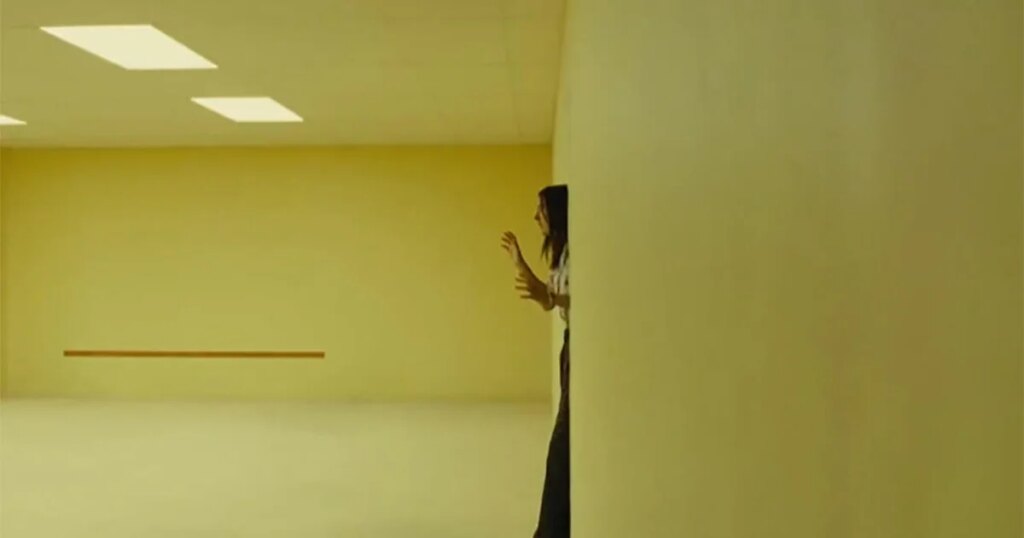
Industry insiders believe the success of this summer can be traced back to a strategic variety of films catering to multiple audience segments, which paved the way for massive hits such as “Spider-Man: Brand New Day.” Matt Belloni, a key figure in the industry, emphasizes that this year’s releases comprise films that appeal to different viewer preferences, a contrast to prior years when box office results were less favorable. Films targeting younger audiences like “Obsession” and “Backrooms” have particularly proven successful, suggesting that studios are beginning to understand how to attract diverse audiences effectively.
The Impact of Younger Filmmakers
Among the standout successes of this summer is the emergence of young filmmakers who are crafting films that resonate deeply with younger viewers. Directors like 25-year-old Curry Barker, who helmed “Obsession,” and 21-year-old Kane Parsons, the mind behind “Backrooms,” have captured extensive audiences with innovative storytelling and unique perspectives drawn from their personal experiences. “Obsession,” a horror film ironically about the pursuit of desire, was produced on a budget of under a million dollars yet went on to earn more than half a billion dollars globally.
This trend highlights a generational shift in filmmaking, where young creators are not only proficient with narrative techniques but also adept at utilizing social media to engage with their audiences. The ability to connect with viewers, particularly through platforms like YouTube, allows these filmmakers to cultivate substantial followings even before their films debut in theatres. This breakthrough model appears increasingly effective in the modern entertainment landscape, bridging the gap between content creation and traditional filmmaking.
The Evolution of Filmmaking and Audience Engagement
As the film industry adapts to changing viewing habits, the role of audience engagement has become paramount. Young filmmakers are increasingly leveraging their digital footprints to develop a loyal fanbase that can echo their success in theatres. Jason Blum, executive producer of “Obsession,” articulated this sentiment at a recent Producers Guild of America panel, expressing that there is renewed hope in the movie business as these new creators bring fresh talent and innovative ideas.
The phenomenon is not just limited to independent or young filmmakers; established studios are also taking notice. They are actively seeking projects that originate from viral content or social media platforms, recognizing that an audience already invested in the concept can lead to advantageous outcomes at the box office. This development emphasizes a crucial shift in how films are conceptualized and involve audience feedback as a vital tool in the creative process.
YouTube Creators Transitioning to Hollywood
The crossover from digital platforms like YouTube to mainstream cinema is taking center stage, with creators utilizing their online success as a launching pad for traditional filmmaking opportunities. Mark Vins, a notable example of this trend, transitioned from being a YouTube content creator with 20 million subscribers to debuting his first feature-length documentary, “Reef to Ridge,” at a prestigious international film festival. Vins conveys the importance of audience interaction in shaping his creative direction, crediting his viewers for influencing the stories he chooses to tell.
The significance of YouTube as a breeding ground for talent cannot be understated. It not only democratizes the filmmaking process but also provides creators with immediate feedback and insights into viewer preferences, which traditional film studios may lack. This evolution suggests a future where success in film may hinge on an individual’s ability to navigate both digital platforms and cinematic production.
The Future of Film: Predictions and Possibilities
Looking forward, industry veterans predict that the model of success seen this summer could pave the way for future film productions. Belloni suggests that studios are likely to continue hunting for talent emerging from digital platforms, as filmmakers who can attract substantial followings online may represent the next wave of Hollywood directors. While there is caution in predicting who may succeed in this environment, the accessibility of platforms like YouTube is reshaping traditional pathways to filmmaking.
As the landscape evolves, challenges remain for both creators and studios alike. The unpredictability of audience taste, compounded by rapidly changing trends, means that the future may hold unexpected turns. However, the influx of innovative ideas from diverse creators remains promising, establishing a new narrative for the film industry as it moves beyond previous limitations.
| No. | Key Points |
|---|---|
| 1 | The summer of 2026 set a record for the domestic box office, achieving $4.7 billion in gross revenue. |
| 2 | Films targeting younger audiences, such as “Obsession” and “Backrooms,” contributed significantly to this success. |
| 3 | Young filmmakers are now wielding considerable influence by leveraging their social media platforms and engaging audiences effectively. |
| 4 | YouTube creators are transitioning to mainstream cinema, using their digital success to cultivate followings for feature films. |
| 5 | The future of filmmaking may increasingly depend on the intersection of digital content creation and traditional cinematic practices. |
Summary
The resurgence of cinema attendance and robust box office performance seen this year illustrates a potential turning point for Hollywood as it grapples with the aftermath of the pandemic. With a blend of young filmmakers driving creative innovation and audience engagement shaping production strategies, the film landscape appears ripe with possibilities. As studios increasingly turn to digital platforms for talent, the relationship between films and their audiences continues to evolve, suggesting an exciting shift in how stories are told and celebrated in modern cinema.
Frequently Asked Questions
Question: How has the box office performed in 2026?
The summer of 2026 experienced a historic box office performance, grossing $4.7 billion in domestic revenue, marking it the highest-grossing summer to date in North American history.
Question: What role do young filmmakers play in the current film industry?
Young filmmakers are making significant impacts by creating films that resonate with younger audiences, often using platforms like YouTube to engage with fans and build substantial followings before entering the mainstream film market.
Question: How is YouTube influencing filmmaking today?
YouTube acts as a critical incubator for emerging talent, enabling creators to connect with audiences directly, gather feedback, and develop their projects, which is increasingly being recognized by traditional film studios.