
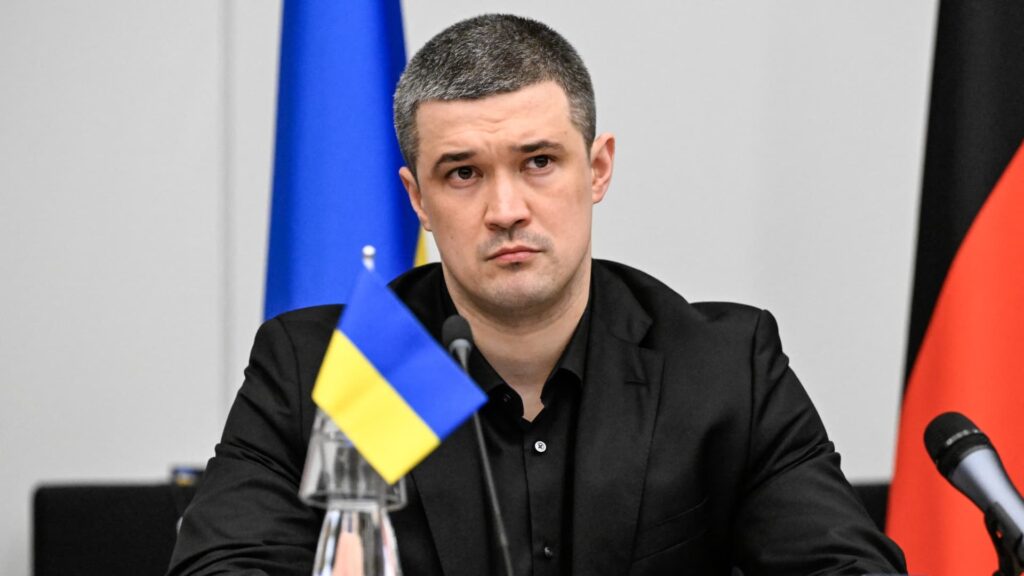
In a dramatic political move, Ukraine’s former Defense Chief Mykhailo Fedorov has called for wartime elections amid ongoing governmental upheaval and the Russian invasion. After being dismissed from his post a month ago, Fedorov’s assertion that “democracy cannot be held hostage by Russia” marks a significant challenge to President Volodymyr Zelenskyy‘s administration. His remarks and the subsequent public protests signal growing unrest and demands for political reform within Ukraine as it navigates a challenging wartime landscape.
| Article Subheadings |
|---|
| 1) Call for Wartime Elections |
| 2) Protests Following Dismissal |
| 3) Governance Crisis and Corruption |
| 4) Shift in Defense Leadership |
| 5) Implications for Ukrainian Politics |
Call for Wartime Elections
In a bold statement, Mykhailo Fedorov, Ukraine’s former defense minister, announced his push for elections to be conducted during wartime. This appeal comes as a reaction to the challenges faced by the Ukrainian government amid an ongoing conflict with Russia. Fedorov’s remarks suggest that the current political framework fails to address the pressing needs of a nation at war, asserting that “democracy cannot be held hostage by Russia.” While he did not directly reference President Volodymyr Zelenskyy, his message resonates strongly as a call for restoring democratic processes and governance. Fedorov emphasized the necessity of finding a legal and realistic mechanism to ensure that elections are held, aiming for a revival of Ukraine’s democratic tradition, even in dire conditions of conflict.
Protests Following Dismissal
Fedorov’s call for reform comes against the backdrop of widespread protests triggered by his abrupt dismissal last month, following a government reshuffle. His removal from the defense portfolio, which he had occupied for just over six months, has provoked significant unrest, with demonstrators rallying in major cities across Ukraine. Many protesters view Fedorov as a dynamic leader who brought energy and innovation to the country’s defense strategy. His emphasis on drone warfare and anti-corruption efforts made him a popular figure among the public. The protests not only highlight a desire for his reinstatement but also reflect broader discontent with the current government’s handling of the war and internal challenges.
Governance Crisis and Corruption
In his statements, Fedorov underscored a looming “systemic crisis of governance” within Ukraine, pointing fingers at official corruption as a significant impediment to the nation’s war efforts. While he refrained from naming specific lawmakers or officials, his remarks implicitly criticize the existing leadership and its effectiveness during the crisis. The ongoing war has exacerbated issues of governance, prompting Fedorov to advocate for transparency and accountability as integral parts of Ukraine’s political revival. As calls for reform grow louder, the current administration faces pressure not only to address wartime conduct but also to restore public trust.
Shift in Defense Leadership
On the heels of Fedorov’s declaration, President Zelenskyy announced his recommendation for Yevhen Khmara to succeed Fedorov as the new defense minister. This decision seemingly shuts the door on any possible reinstatement of Fedorov, indicating a deliberate shift in leadership strategy amidst unprecedented challenges. The appointment of Khmara suggests a consolidation of Zelenskyy’s control over the defense sector, yet it also poses risks as it could further alienate segments of the population who had rallied behind Fedorov. The transition in defense leadership may signal Zelenskyy’s intent to stabilize command during an era marked by military confrontations.
Implications for Ukrainian Politics
Fedorov’s public challenge to the status quo represents a potentially seismic shift in Ukrainian politics. As one of Zelenskyy’s former allies, his call for wartime elections and proactive governance reform can galvanize both support and dissent. The dynamics between the executive leadership and the parliament could face intense scrutiny as citizens demand accountability and transparency. The growing protests reflect a populace increasingly willing to voice their disillusionment with the political elite, creating opportunities for new voices and leadership to emerge. In this landscape, the political future of Ukraine remains uncertain as the government navigates risks both from external aggression and internal unrest.
| No. | Key Points |
|---|---|
| 1 | Former Defense Minister Mykhailo Fedorov calls for wartime elections in Ukraine. |
| 2 | Protests erupted following Fedorov’s dismissal, highlighting public discontent. |
| 3 | Fedorov cites systemic governance issues and corruption affecting the war effort. |
| 4 | President Zelenskyy names Yevhen Khmara as the new defense minister. |
| 5 | Political landscape shifts as citizen demands for transparency and reform grow. |
Summary
The call for wartime elections by former Defense Chief Mykhailo Fedorov underscores significant political tension within Ukraine as it continues to grapple with the ongoing Russian invasion. His comments reflect not only a challenge to President Volodymyr Zelenskyy but also a broader desire for reform and accountability in governance during these critical times. Amid rising public protests and concerns over corruption, the landscape of Ukrainian politics appears poised for change, driven by the voices of its citizens seeking a more participatory and transparent democratic process.
Frequently Asked Questions
Question: Why did Mykhailo Fedorov call for wartime elections?
Fedorov believes that the current political structure does not adequately address the challenges faced by Ukraine during the ongoing war and that democracy should not be compromised due to the conflict.
Question: What sparked the protests in Ukraine?
Protests erupted following the dismissal of Fedorov as defense minister, reflecting public support for his leadership and growing dissatisfaction with the current governmental actions amidst the conflict.
Question: What are the potential implications of Fedorov’s statements?
Fedorov’s challenge presents a significant shift in Ukrainian politics, potentially fostering greater public engagement in governance and increasing scrutiny of current leadership amid demands for reforms.