

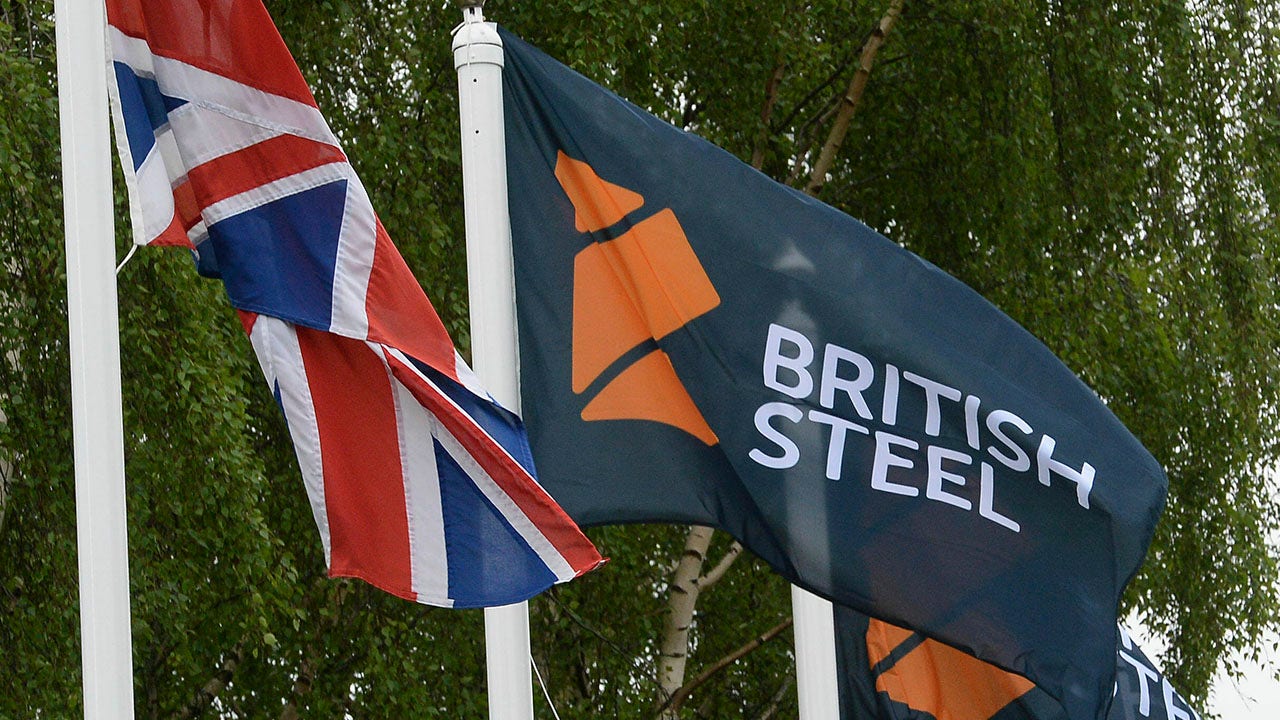

The United Kingdom finds itself on the brink of a significant industrial transition as British Steel, a major steel firm owned by the Chinese group Jingye, has announced the closure of its two blast furnaces in England. This decision is attributed to the financial implications of President Donald Trump’s steel tariffs, which have made operations unsustainable. The closure threatens the loss of 2,700 jobs and marks a pivotal moment in the UK’s steel production history, potentially leaving it as the first G7 nation without its own steel manufacturing capabilities.
| Article Subheadings |
|---|
| 1) The Decision to Close: Financial Constraints |
| 2) Implications for Employment and the Economy |
| 3) National Security Concerns: A Broader Perspective |
| 4) Reactions from Politicians and Unions |
| 5) The Future of Steel Production in the UK |
The Decision to Close: Financial Constraints
British Steel’s announcement regarding the closure of its two blast furnaces comes after significant financial strain attributed to tariffs imposed by the Trump administration. These tariffs, specifically a 25% levy on imported steel and aluminum, took effect earlier this month. The company, which has been under the ownership of Jingye since 2020, has stated that despite investing billions to maintain operations, daily losses have surged to hundreds of thousands of dollars. This financial reality has forced British Steel to rethink its operational viability, making the blast furnaces unsustainable for ongoing production.
The tariffs introduced by the U.S. government are part of a broader trade policy aimed at protecting domestic steel manufacturers but have inadvertently created a ripple effect affecting international operations. Jingye’s statement regarding the closure underscores the financial challenges facing global steel producers under fluctuating trade policies. With the operational environment becoming increasingly impractical, the decision to close the furnaces reflects not just a corporate decision but a critical response to external economic pressures.
Implications for Employment and the Economy
The closure of British Steel’s blast furnaces carries significant repercussions for the local economy and the broader UK job market. Approximately 2,700 jobs are at risk, endangering livelihoods and contributing to the region’s unemployment rate. The potential loss of these positions could lead to increased economic instability in areas that rely heavily on the steel industry.
Local economies often depend on major employers like British Steel for their economic health. The loss of such a pivotal industrial player can result in a downward economic spiral, affecting not only the jobs directly within the company but also those in ancillary industries that supply and support steel manufacturing. Communities that have depended on steady employment face daunting challenges in restructuring their economies to mitigate the effects of such closures.
National Security Concerns: A Broader Perspective
The proposed closure of British Steel carries with it significant considerations regarding national security. Politicians and industry experts have raised alarms about the implications of the UK possibly becoming the only G7 nation without domestic primary steel manufacturing capacity. Sarah Jones, the energy minister, emphasized the strategic importance of steel production in national defense, stating that “countries need steel not just for defense but to build the roads and the infrastructure.” This underscores the critical nature of self-sufficiency in steel production within the context of national security.
The historical context surrounding steel production and its relationship to national security further amplifies these concerns. The war in Ukraine, for instance, highlighted the vulnerabilities of nations reliant on foreign steel supplies, as evidenced by targeted attacks on steel production facilities. With geopolitical tensions rising globally, the ability of a nation to produce its own steel can be seen as vital for maintaining infrastructure and defense capabilities, raising questions about the UK’s strategic objectives moving forward.
Reactions from Politicians and Unions
Reactions to the closure announcement have been swift, with calls for negotiations to resume between Jingye and relevant government authorities. Roy Rickhuss, the general secretary of the Community union, urged both sides to engage in discussions to avert a crisis that would affect thousands of workers. The union’s plea reflects a growing sentiment among labor representatives that proactive measures must be taken to safeguard jobs in the face of economic adversity.
Political figures have also expressed dismay over the potential loss of jobs and capabilities. The stark possibility of the UK lacking a domestic steel manufacturing sector has become a pressing topic in governmental discussions, with calls for strategic interventions to support the industry. There is an increasing recognition that without decisive action, the consequences of such closures could lead to a long-term decline in the industrial landscape of the country, affecting both economic stability and national security.
The Future of Steel Production in the UK
The future of steel production in the UK is now uncertain, with experts warning that the closure of British Steel’s blast furnaces could set a precedent for the industry. The long history of steel production in the UK has deep roots in the country’s industrial evolution; the end of this era might signify a shift towards complete dependence on international markets for steel supply.
In the broader context, the potential demise of home-grown steel industries reflects a trend seen in many advanced economies, which are increasingly challenged by cheaper production methods abroad. As countries consider their industrial strategies moving forward, the importance of safeguarding key sectors will likely become a focal point, influencing policies in trade and domestic production. The outcome of these discussions will heavily influence whether the UK can reclaim its steel-making capabilities or further relinquish its role in the global steel market.
| No. | Key Points |
|---|---|
| 1 | British Steel plans to close its two blast furnaces in England, threatening 2,700 jobs. |
| 2 | The closures are attributed to financial unsustainability due to Trump-era tariffs. |
| 3 | The situation raises national security concerns regarding domestic steel production. |
| 4 | Political and union leaders urge negotiations to prevent job losses. |
| 5 | The UK risks becoming the only G7 country without domestic steel manufacturing. |
Summary
The impending closure of British Steel’s blast furnaces marks a critical juncture for the UK, as the nation contemplates its future in steel production amid rising tariffs and economic challenges. The ramifications of these closures extend beyond immediate job losses, touching on broader concerns regarding national security and the stability of local economies. As officials and unions advocate for renewed discussions, the outcome will likely shape the trajectory of the UK’s industrial landscape in the years to come.
Frequently Asked Questions
Question: What prompted British Steel’s decision to close its blast furnaces?
The decision to close British Steel’s blast furnaces was prompted by financial losses that made operations unsustainable, primarily attributed to the 25% tariffs on imported steel imposed by the Trump administration.
Question: How many jobs are at risk due to the closure of the blast furnaces?
Approximately 2,700 jobs are at risk as a result of the closure of British Steel’s blast furnaces, which poses significant implications for local employment and the economy.
Question: What are the national security implications of losing domestic steel manufacturing?
The loss of domestic steel manufacturing capacity raises national security concerns, as steel production is essential for defense infrastructure and overall national readiness, particularly highlighted by recent global conflicts.
