

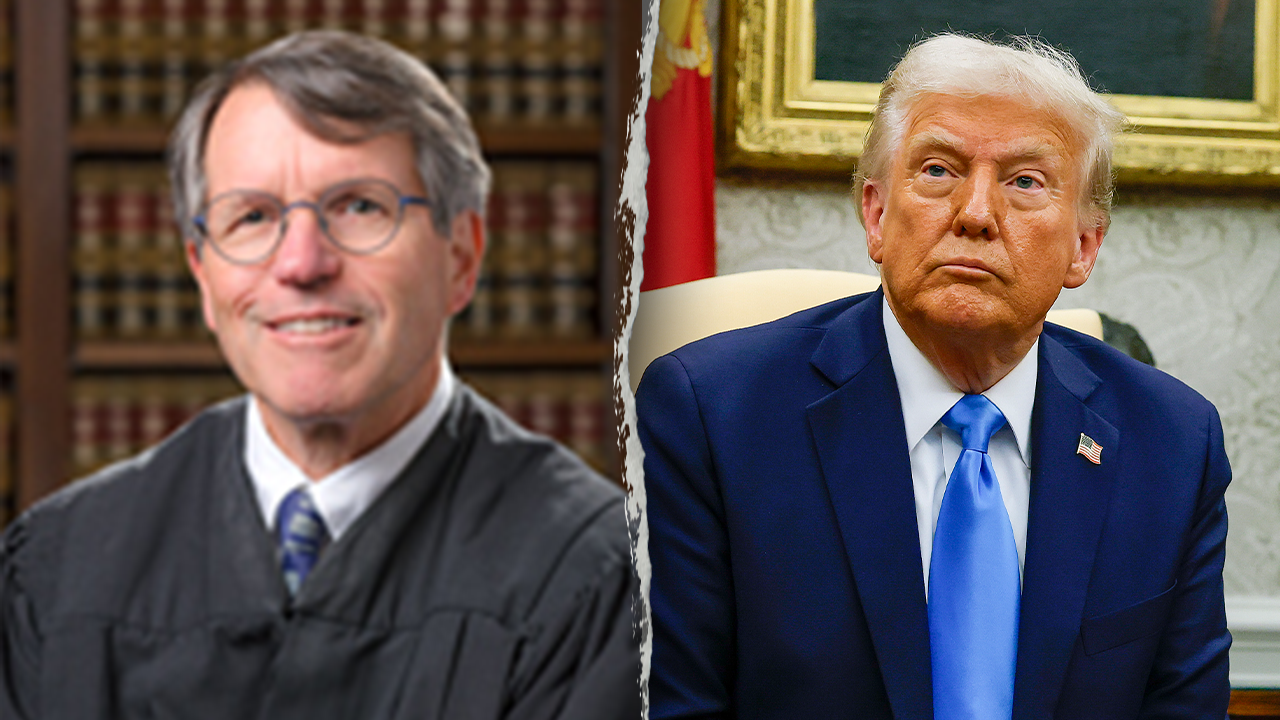

A ruling by a federal judge in California has attracted significant attention due to its implications for the Trump administration’s immigration policies. Judge William Orrick, appointed by former President Obama, determined that President Trump’s executive orders aimed at cutting federal funding to sanctuary cities are unconstitutional. This decision has raised questions about the intersection of judicial influence, political affiliations, and immigration law enforcement as Orrick has notable ties to the Democratic Party. As the nation grapples with immigration issues, this ruling marks a critical point in the ongoing debate between state and federal authority.
| Article Subheadings |
|---|
| 1) Overview of the Ruling Against Federal Orders |
| 2) The Basis of Judge Orrick’s Decision |
| 3) Political Contributions and Judicial Objectivity |
| 4) Implications for Sanctuary Cities and Immigration Policy |
| 5) Future Developments in Immigration Legislation |
Overview of the Ruling Against Federal Orders
On Thursday, Judge William Orrick of the U.S. District Court for the Northern District of California issued a significant ruling that invalidates executive orders issued by President Trump targeting sanctuary cities. These orders aimed to deny federal funding to localities that do not comply with federal immigration enforcement. The judge’s decision stems from a broader backdrop of increasing tensions regarding immigration enforcement in the United States, highlighting the complex relationship between state and federal governments in handling immigration policy. Judge Orrick’s ruling has been seen as a triumph for advocates of sanctuary cities and local autonomy, challenging the administration’s aggressive approach to immigration reform.
The Basis of Judge Orrick’s Decision
In his ruling, Judge Orrick cited several constitutional violations present in Trump’s executive orders, notably emphasizing the separation of powers doctrine and specific amendments of the Constitution. The judge pointed out that the executive orders were “unconstitutionally vague,” stating that they posed significant threats to due process. He indicated that the orders attempted to compel local entities into enforcing federal immigration statutes through coercive financial threats. Orrick expressed concerns about the negative impact conditioned funding would have on local governments, arguing it could lead to irreparable harm to budgetary planning for cities and counties.
The case underscores the critical judicial role in checking executive power, particularly as it relates to immigration policy — a hot-button issue that has spurred significant public discourse and activism over the past several years. Orrick’s interpretation of the law challenges the validity of federal overreach into localized decisions about immigration enforcement and provides a legal basis for sanctuary cities to resist federal funding penalties.
Political Contributions and Judicial Objectivity
Judge Orrick’s longstanding financial affiliations with the Democratic Party have raised questions regarding judicial impartiality. Records indicate that he has contributed approximately $113,600 to various Democratic candidates and committees over the years, including notable figures such as Barack Obama, John Kerry, and Hillary Clinton. These contributions have led critics to suggest a potential bias in his judicial decisions, calling into question the independence of the judiciary and the influence of personal political affiliations on legal outcomes.
In addition to his financial contributions, Judge Orrick has actively participated in campaigns, including holding leadership positions in committees aimed at supporting Democratic candidates. This situation raises the broader issue of how political contributions by judges can affect public perception of their rulings and the integrity of the judicial process itself. Critics argue that while judges should exercise their discretion freely, their involvement with political campaigns can lead to skepticism about the neutrality that is essential for impartial justice.
Implications for Sanctuary Cities and Immigration Policy
The decision to block Trump’s executive orders has major implications for sanctuary cities across the nation. Sanctuary jurisdictions have emerged as critical players in the broader immigration debate, advocating for local autonomy and the rights of undocumented immigrants. With this ruling, cities that choose to limit cooperation with federal immigration authorities can continue to do so without the fear of losing significant federal funding intended for essential services.
This ruling also emboldens more local governments to adopt or maintain sanctuary policies despite federal threats, potentially creating a patchwork of divergent immigration enforcement strategies nationwide. It questions the power dynamics between local and federal authority, suggesting that robust local governance can withstand pressures from higher levels of government. For advocates of comprehensive immigration reform, this ruling serves as a reminder of the challenges and institutional checks that exist against sweeping federal mandates.
Future Developments in Immigration Legislation
As the implications of Judge Orrick’s ruling unfold, the future of immigration policy in the U.S. remains contentious. With ongoing challenges over executive orders, it is likely that this ruling will prompt further legal battles concerning the extent of presidential power versus the rights of local governments. Moreover, public opinion is increasingly polarized on immigration reform issues, making it essential for lawmakers to negotiate carefully as they address these complex matters.
Moving forward, the legislative landscape may see an increase in local and state initiatives aimed at protecting immigrant populations and opposing federal policies. This ruling may strengthen the resolve of sanctuary cities and inspire similar movements within other jurisdictions. It raises profound questions about the role of law in negotiating the intersectionality of local versus federal authority and the limitations of executive action under the Constitution.
| No. | Key Points |
|---|---|
| 1 | Judge William Orrick ruled against Trump’s executive orders on sanctuary cities. |
| 2 | The ruling is based on constitutional principles, including due process and separation of powers. |
| 3 | Orrick’s substantial political contributions highlight concerns about judicial impartiality. |
| 4 | Sanctuary cities may continue to operate without federal funding fears following the ruling. |
| 5 | Future legal battles may arise concerning the limits of presidential authority in immigration policy. |
Summary
Judge William Orrick’s recent ruling against President Trump’s executive orders on sanctuary cities not only emphasizes the intricate relationship between federal and local law enforcement but also raises critical discussions about the neutrality of the judiciary. As sanctuary cities gain legal backing to uphold their policies, the landscape of immigration enforcement in the United States is poised for significant changes. This case exemplifies the ongoing struggle over rights, powers, and the interpretation of law within a deeply divided political framework, setting the stage for future clashes regarding immigration legislation.
Frequently Asked Questions
Question: What did Judge Orrick rule regarding President Trump’s executive orders?
Judge Orrick ruled that President Trump’s executive orders aimed at withholding federal funds from sanctuary cities are unconstitutional, emphasizing violations of due process and the separation of powers.
Question: What are sanctuary cities?
Sanctuary cities are jurisdictions that limit their cooperation with the federal government in enforcing immigration laws, often aiming to protect the rights of undocumented immigrants.
Question: How could this ruling affect other sanctuary cities in the U.S.?
The ruling may encourage other sanctuary cities to maintain or reinforce their policies, as it provides a legal framework that protects them from federal funding penalties.
