

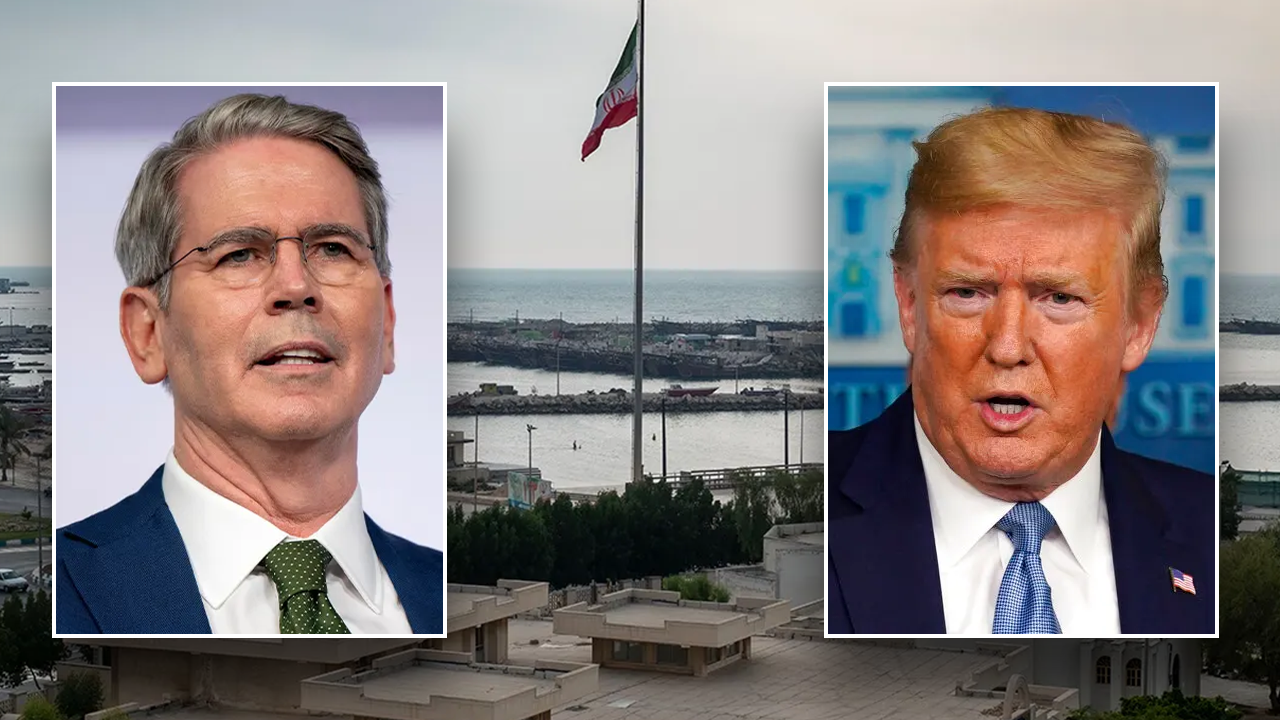

The Trump administration has intensified its economic campaign against Iran, focusing on the Islamic Republic’s oil sector with new sanctions. This move aims to bolster negotiations over nuclear proliferation as U.S. and Iranian officials prepare for their next round of talks in Oman. The sanctions target companies involved in the purchase and delivery of Iranian oil, further raising tensions between Washington and Tehran amid ongoing discussions regarding Iran’s nuclear program.
| Article Subheadings |
|---|
| 1) Introduction to New Sanctions Against Iran |
| 2) Targeted Entities and Their Roles |
| 3) Implications for U.S.-Iran Negotiations |
| 4) Overview of Iran’s “Shadow Fleet” |
| 5) Future Prospects for Diplomatic Relations |
Introduction to New Sanctions Against Iran
On Thursday, the Trump administration announced a series of sanctions aimed at countering Iran’s oil exports, marking a significant escalation in its ongoing economic pressure campaign. The U.S. Treasury Department’s Office of Foreign Assets Control (OFAC) designated several entities involved in the Iranian oil trade, specifically targeting companies based in China. This action is part of a broader strategy to restrict Iran’s ability to generate revenue from its oil resources, which the U.S. asserts is being used to fund destabilizing activities in the Middle East.
As officials in Washington emphasize, these sanctions come at a critical juncture when discussions regarding the Iran nuclear deal are intensifying. The Biden administration’s goal is to prevent Iran from developing nuclear weapons while ensuring that diplomatic avenues remain open for negotiation. Despite this, the U.S.’s hardline stance on Iran’s oil industry raises crucial questions regarding the balance between sanctions and diplomatic engagement.
Targeted Entities and Their Roles
The sanctions announced on Thursday specifically targeted several key players within Iran’s oil supply chain. Among them is the Hebei Xinhai Chemical Group Co., Ltd., identified as a “teapot” refinery, a term used to categorize smaller, independent refiners that have been pivotal in importing Iranian crude oil.
Additionally, the OFAC designated three port terminals in Shandong province, China, which are crucial for facilitating the transfer of Iranian crude oil. In total, multiple companies, vessels, and shipping captains have been sanctioned as part of this enforcement. The Treasury Department has underscored that these entities played significant roles in facilitating shipments worth hundreds of millions of dollars, enabling the Iranian government to continue oil exports despite global sanctions.
This decisive action is seen as an effort not just to curtail Iran’s oil revenue but also to signal to international partners that engaging in oil trade with Iran incurs risks of secondary sanctions, further isolating the Iranian economy. Treasury Secretary Scott Bessent highlighted that the U.S. remains committed to imposing stringent measures against aggressors in Iranian oil supply chains in order to thwart its nuclear ambitions.
Implications for U.S.-Iran Negotiations
As the new sanctions roll out, they occur amidst preparations for a fourth round of nuclear negotiations. U.S. and Iranian diplomats are scheduled to meet in Oman soon, and tensions are already palpable due to the sanctions. The administration asserts that achieving a comprehensive agreement to halt Iran’s nuclear program is the primary objective in these discussions.
Vice President JD Vance has emphasized that the next round of talks aims for a “complete cessation” of Tehran’s nuclear activities. However, the recent sanctions complicate the dialogue, as Iran may perceive them as an aggressive tactic that undermines trust. Fostering a conducive environment for negotiations requires balancing sanctions with diplomatic outreach to encourage Iranian compliance.
Amid these developments, analysts are divided on whether implementing sanctions will yield positive outcomes in negotiations. While some view it as necessary leverage, others warn it could harden Iran’s stance, making concessions less likely.
Overview of Iran’s “Shadow Fleet”
Iran has developed a so-called “shadow fleet” of shipping vessels, which operate under the radar to evade detection by international authorities. These tankers are typically managed by obscure companies that utilize complex tactics to mask Iran’s petroleum shipments. Risky practices, such as ship-to-ship transfers with vessels already sanctioned, are common methods to disguise the origin of their oil exports.
The sanctions imposed on Thursday also targeted entities associated with this shadow fleet, designating certain ships as “blocked property.” The implications of this are significant, as it empowers U.S. officials to impose legal action against those involved in facilitating these shipments, sending a clear message that engaging with Iran’s oil trade is not only diplomatically harmful but also fraught with legal risks.
This comprehensive approach underscores the complexity of targeting Iran’s oil sector, which is not only pivotal for the Iranian economy but also serves as a fund source for its military expenditures and regional influence.
Future Prospects for Diplomatic Relations
Looking ahead, the impact of these sanctions on diplomatic relations remains to be seen. While the Trump administration continues to assert that a robust engagement strategy is critical for curbing Iran’s nuclear threats, the excessive reliance on sanctions could escalate hostilities rather than inspire compliance. The negotiations scheduled in Oman will serve as a litmus test for how effectively the U.S. can navigate these dual tracks of pressure and diplomacy.
According to the administration, they are eager to reach a deal that reintegrates Iran into the global economy, suggesting a pathway that would be beneficial for the Iranian populace. However, this vision is tempered by fears of Iran continuing its nuclear ambitions. The stakes are exceptionally high, and the U.S. remains adamant that the option of a nuclear-armed Iran is unacceptable.
As President Trump gears up for an upcoming Middle East trip, including visits to Saudi Arabia, Qatar, and the United Arab Emirates, the diplomatic narrative is likely to shift further. This engagement aims to solicit regional support for the U.S. stance on Iran, potentially reshaping the landscape of Middle Eastern diplomacy moving forward.
| No. | Key Points |
|---|---|
| 1 | The Trump administration imposed new sanctions on Iranian oil exports, focusing on companies based in China. |
| 2 | The sanctions target key entities involved in facilitating Iranian oil shipments amid ongoing nuclear negotiations. |
| 3 | The introduction of sanctions complicates future U.S.-Iran negotiations intended to halt Iran’s nuclear advancements. |
| 4 | Iran’s “shadow fleet” is crucial for maintaining its oil exports through covert means to evade sanctions. |
| 5 | Upcoming diplomatic talks in Oman will be pivotal in determining the U.S. approach to Iran’s nuclear program. |
Summary
The recent sanctions placed by the Trump administration against Iranian oil exports represent a strategic attempt to strengthen the American position in ongoing negotiations regarding Iran’s nuclear program. These measures reflect the U.S. commitment to halting Tehran’s aggressive actions while navigating a complex diplomatic landscape. As the upcoming talks loom, the efficacy of the U.S. strategy remains uncertain, yet the administration’s resolve to prevent a nuclear-armed Iran will likely guide future engagements.
Frequently Asked Questions
Question: What are the newly imposed sanctions aimed at?
The sanctions focus on companies involved in the purchase and facilitation of Iranian oil, primarily targeting those based in China as part of an effort to cut off revenue streams to Iran.
Question: How do these sanctions affect U.S.-Iran negotiations?
The sanctions complicate the negotiations by potentially instilling mistrust between U.S. and Iranian officials, impacting the willingness of both sides to cooperate on nuclear discussions.
Question: What is Iran’s “shadow fleet”?
Iran’s “shadow fleet” refers to a network of obscured shipping vessels managed by less transparent companies, which aim to evade detection and sanctions while facilitating the export of Iranian oil.
