

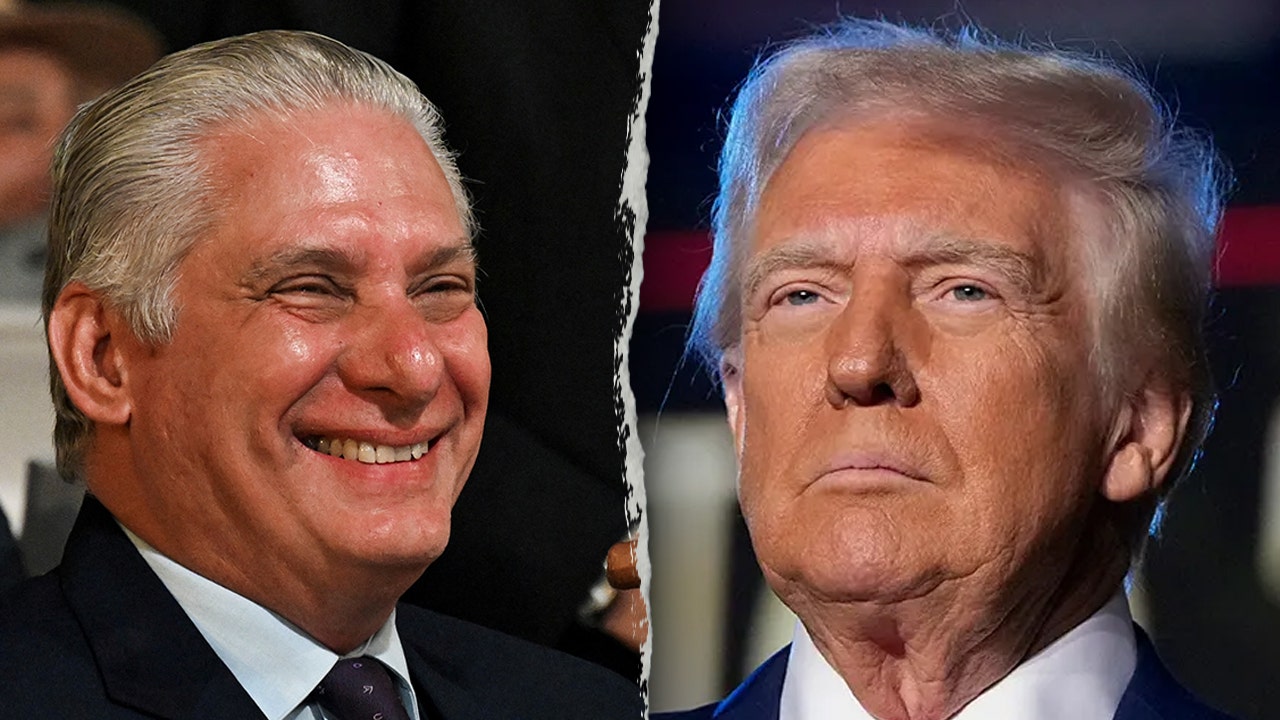

The U.S. State Department has officially designated Cuba as a “not fully cooperating country” (NFCC) in counterterrorism efforts, citing a failure to extradite at least 11 fugitives sought for terrorism-related charges. This decision, communicated by State Department spokesperson Tammy Bruce, means that Cuba will face restrictions on defense services and exports due to its non-cooperation in counterterrorism matters throughout 2024. This development comes amid ongoing tensions and differing views on Cuba’s role as a nation in relation to U.S. security interests.
| Article Subheadings |
|---|
| 1) Understanding the NFCC Designation |
| 2) Cuba’s Non-Cooperation on Extraditions |
| 3) Historical Context of U.S.-Cuba Relations |
| 4) Implications of the NFCC Certification |
| 5) Responses from U.S. Officials and Political Leaders |
Understanding the NFCC Designation
The NFCC designation by the U.S. State Department is significant as it reflects a country’s lack of cooperation on vital counterterrorism initiatives. The designation under Section 40A of the Arms Export Control Act is a reaction to Cuba’s unwillingness to assist the U.S. in their requests for the extradition of suspects associated with terrorism. In a statement, spokesperson Tammy Bruce noted that Cuba’s refusal to return these fugitives, who are facing serious charges, suggests a troubling stance on international law enforcement collaboration.
Bruce emphasized that the U.S. government had made efforts to work with the Cuban regime, but these endeavors were stymied by Cuba’s lack of engagement. “In 2024, the Cuban regime did not fully cooperate with the United States on counterterrorism,” Bruce stated. “There were at least 11 U.S. fugitives from justice in Cuba…” This certification thus serves not only as a formal recognition of Cuba’s non-cooperation but also imposes limitations on defense-related transactions with the country, further complicating U.S.-Cuba relations.
Cuba’s Non-Cooperation on Extraditions
Cuba’s refusal to extradite the 11 fugitives is particularly troubling for U.S. officials. Many of these fugitives are accused of serious crimes, including terrorism, and their presence on Cuban soil is perceived as a direct challenge to U.S. authority. The U.S. claims that these fugitives include individuals linked to violent acts, with some involved in crimes that produced significant casualties, such as bombings. The U.S. accuses Cuba of harboring terrorists, thereby refusing to uphold its international obligations to extradite individuals who are wanted for prosecution.
This non-cooperation is further exemplified by recent allegations that imply Cuba has ties not only to these fugitives but also to entities linked with terrorist activities in Latin America. Reports suggest that Cuba has failed to extradite suspects implicated in a bombing in Colombia, which resulted in numerous fatalities. The refusal to address these concerns has heightened tension between the two nations and reaffirmed the U.S. position of treating Cuba as a non-compliant actor in global security issues.
Historical Context of U.S.-Cuba Relations
The relationship between the United States and Cuba has been historically fraught with tension, particularly in the context of Cuba’s designation as a state sponsor of terrorism at various points in history. The designation was lifted by the Biden administration in January 2021, reversing actions taken during the Trump administration. Former President Biden had asserted that Cuba had not supported international terrorism in the preceding timeframe. However, this recent NFCC designation signals a shift back towards a more adversarial stance.
Cuba’s ties with the U.S. have oscillated significantly over the decades. In the 1980s and 1990s, Cuba dealt with accusations of harboring international terrorists while simultaneously trying to establish diplomatic relations with the U.S. Under the Obama administration, attempts were made to normalize Caribbean relations through diplomatic channels, culminating in the historic visit by President Obama to Cuba in 2016. However, subsequent administrations have sought to re-evaluate and reshape these relations based on security and terrorism-related concerns, leading to further complications.
Implications of the NFCC Certification
The certification of Cuba as an NFCC has several implications for both countries. It obligates the U.S. government to prohibit the export of defense services to Cuba, which could impede any military or security cooperation between the two nations. This designation may further isolate Cuba internationally, as potential partners might be reluctant to engage with a country labeled as non-compliant regarding terrorism issues.
Furthermore, the designation could influence domestic policies in Cuba, as the government grapples with international pressures amid an already struggling economy. It may also provoke responses from Cuba that exacerbate tensions even further, potentially resulting in increased distancing from U.S. influence in the region. The ramifications of this NFCC certification will therefore be closely monitored by analysts and officials on both sides of the Florida Straits.
Responses from U.S. Officials and Political Leaders
Following the announcement of the NFCC designation, U.S. officials, including Secretary of State Marco Rubio, expressed strong sentiments regarding Cuba’s refusal to cooperate with counterterrorism efforts. Rubio reiterated that this stance will not result in the U.S. compromising on security or diplomatic efforts aimed at improving national safety in the region. The decision has also ignited discussions among political leaders, further emphasizing the divide in approaches toward dealing with Cuba.
Criticism has also arisen from within the political spectrum, as some Democratic and Republican leaders have lamented the previously attempted détente initiated by the Biden administration. The mixed responses highlight the ongoing debate in Washington regarding Cuba policy: whether to pursue diplomatic avenues or adopt a more stringent approach based on national security needs. The discussion surrounding Cuba’s NFCC designation thus serves not only as a statement regarding their counterterrorism efforts but also contextualizes the broader dialogue on U.S. foreign policy in the Americas.
| No. | Key Points |
|---|---|
| 1 | Cuba was designated as a “not fully cooperating country” by the U.S. State Department in counterterrorism efforts. |
| 2 | The NFCC designation prohibits the export of defense services to Cuba. |
| 3 | Cuba has reportedly harbored U.S. fugitives linked to terrorism and violent crimes. |
| 4 | The U.S.-Cuba relationship has a history of conflict over terrorism and state sponsorship designations. |
| 5 | Responses from U.S. officials reflect a deepening divide over foreign policy regarding Cuba. |
Summary
The designation of Cuba as a not fully cooperating country in regards to counterterrorism underscores ongoing tensions and challenges in U.S.-Cuba relations. With allegations of harboring fugitives and a history of contentious interactions, this move by the State Department signifies a refusal to overlook Cuba’s lack of cooperation. As the U.S. navigates its foreign policy in the region, the implications of this designation will likely play a crucial role in shaping future diplomatic engagements.
Frequently Asked Questions
Question: What factors led to Cuba’s NFCC designation?
Cuba was designated as a not fully cooperating country due to its refusal to extradite at least 11 fugitives connected to terrorism-related charges, signaling a lack of cooperation with U.S. counterterrorism initiatives.
Question: What are the implications of the NFCC status for Cuba?
The NFCC designation imposes restrictions on the export of defense services to Cuba, potentially further isolating the country internationally and impacting its domestic policies.
Question: How has U.S. policy toward Cuba evolved in recent years?
U.S. policy toward Cuba has gone through shifts, with attempts at détente under the Obama administration followed by harsher stances during the Trump administration, leading to the current contentious relationship marked by heightened criticism and renewed sanctions.
