

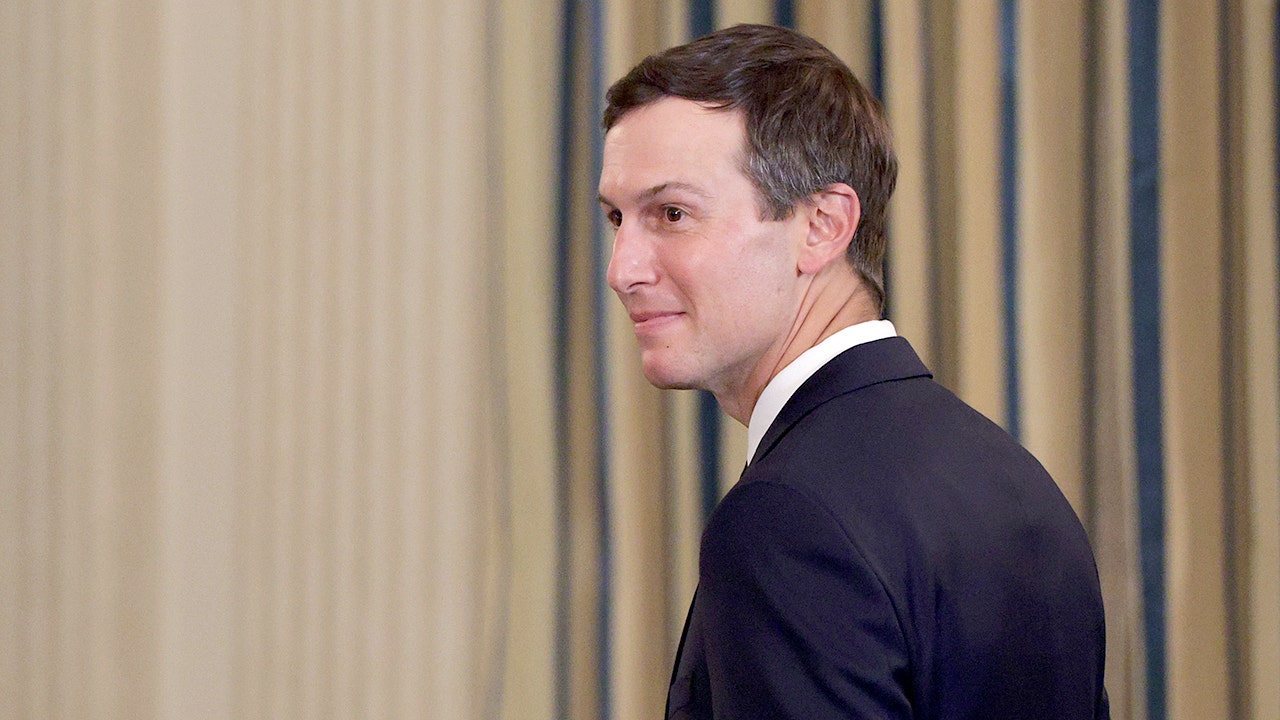

In a recent episode of “60 Minutes,” Jared Kushner, former President Donald Trump’s son-in-law and a key figure in Middle East negotiations, provided insights into the recently brokered ceasefire deal between Israel and Hamas after a tumultuous two-year conflict. Joined by U.S. Special Envoy Steve Witkoff, Kushner discussed the unconventional strategies used to facilitate this complex agreement, which he characterized as a departure from “stupid word games” that have historically hindered progress in the region. This interview sheds light on the factors that contributed to the successful negotiations and the future of peace efforts in the Middle East.
| Article Subheadings |
|---|
| 1) The Context of the Ceasefire Deal |
| 2) Key Negotiators and Their Strategies |
| 3) The Role of Personal Relationships |
| 4) Challenges Faced During Negotiations |
| 5) Looking Ahead: Future of Peace in the Region |
The Context of the Ceasefire Deal
The ceasefire between Israel and Hamas, officially agreed upon on October 8, follows a two-year conflict that erupted in 2023. This extended period of hostilities led to significant loss of life, escalating tensions, and rising humanitarian crises in the region. U.S. officials, alongside Kushner and Witkoff, recognized that traditional diplomatic methods had largely failed to yield meaningful results in the past. Thus, there was a pressing need for a new approach to break the cycle of violence and enhance stability.
Kushner remarked on the importance of addressing the simple yet sensitive nature of the issues in conflict, stating that complexities often arise from diplomatic language that obscures genuine understanding. He emphasized that both Israeli and Palestinian interests needed to be taken into account for the ceasefire to be respected, framing it not only as a necessity but as an opportunity to reset relations.
Against this backdrop, the ceasefire agreement aimed to achieve several pivotal objectives: ensuring the safe release of hostages, facilitating humanitarian aid into affected regions, and creating a foundation for lasting peace. The negotiations were not just about silencing guns; they were about fostering a climate for dialogue and mutual respect among conflicting parties.
Key Negotiators and Their Strategies
Jared Kushner and Steve Witkoff spearheaded negotiations characterized by what they themselves described as “intensely personal techniques of real estate dealmakers.” This unconventional approach often relied on leveraging personal relationships and direct promises rather than strictly adhering to established diplomatic protocols. During their appearance on “60 Minutes,” they detailed how they strived to create sparks of hope amid ongoing despair.
Kushner articulated a pragmatic perspective on the negotiations, suggesting that the fundamental goals shared by both parties provided a clearer path to resolution. He noted, “We wanted the hostages to come out. We wanted a real ceasefire that both sides would respect.” This statement underlines the dual focus on immediate humanitarian concerns and broader peace goals, demonstrating an understanding that both are intertwined in any sustainable resolution.
By emphasizing the need to move past “stupid word games,” Kushner underscored his belief in the necessity of straightforward communication. This was a critical aspect that set their negotiations apart from previous diplomatic efforts which often led to misunderstandings and increased tensions. The team’s ability to maintain a focus on clear objectives aided in navigating the labyrinthine political landscape of the Middle East.
The Role of Personal Relationships
A significant focus during the negotiations was the personal rapport Kushner and Witkoff cultivated with key figures in the region. Both men cited their business experiences in the Middle East as foundational to establishing trust with the parties involved. Kushner stated, “What people call conflicts of interests, Steve and I call experience and trusted relationships that we have throughout the world.” This highlights a crucial understanding: successful negotiation in a deeply nuanced landscape often hinges on personal trust rather than formal contracts alone.
During the negotiations, instances of bonding between Israeli and Arab representatives emerged as symbolic gestures of reconciliation. Witkoff recounted a touching moment when representatives from Israel and Qatar embraced following a successful agreement, indicating a potential shift in regional relationships. “I thought to myself, ‘I wish the world could’ve seen it,’” he reflected, capturing the essence of these personal connections that can facilitate broader hope in diplomatic outcomes.
These relationships were also seen as instrumental in negotiating intra-regional issues, where past grievances may obstruct agreement. Understanding cultural nuances significantly aided Kushner and Witkoff in navigating these choppy waters, fostering an environment where dialogue could flourish.
Challenges Faced During Negotiations
Despite their strategic advantages, the negotiations were not without their challenges. Reports indicated that even after the preliminary agreements were reached, Hamas allegedly violated terms of the ceasefire, leading to temporary disruptions. This underscores a chronic issue in Middle Eastern diplomacy where any breach, intentional or perceived, can unravel even the most well-laid plans.
Kushner acknowledged that the path to lasting peace involves facing these setbacks. “We had to write all these complex words to deal with the 50 years of stupid word games,” he claimed, capturing the challenge of reconciling historical grievances with current realities. The complexity of the situation was a roadblock as each side’s historical narrative impacted the negotiation atmosphere, making it difficult to identify common ground.
The negotiation team faced criticism as well, particularly concerning the potential appearance of conflicts of interest due to their backgrounds in business dealings in the region. Addressing these concerns head-on, Kushner remarked, “If Steve and I didn’t have these deep relationships, the deal we were able to get done, that freed these hostages would not have occurred.” This acknowledgment highlights the duality of perception versus reality in diplomatic negotiations—where experience may be misconstrued as bias.
Looking Ahead: Future of Peace in the Region
As the ceasefire begins to take root, the focus now shifts to the future of peace efforts in the Middle East. Canadians and other international stakeholders watch closely as developments unfold. Officials on various sides hope that the agreements reached will pave the way to more extensive peace treaties addressing deeper issues underlying the conflict.
The challenges remain substantial. Sustaining a ceasefire requires continuous commitment from all parties. Kushner’s call for a shift in how parties communicate stands as a critical point for future negotiations. Real examination of issues rather than reliance on convoluted jargon is essential for moving forward towards reconciliation.
International reaction will also play a role in the sustainability of the agreements made. The support—or potential opposition—of neighboring countries and organizations will heavily influence the long-term success of peace efforts. The recent embraces shared by Israeli and Qatari representatives send a message that collaboration is indeed possible but must be cultivated over time.
As negotiations continue, the hope is that strategic partnerships, fostering trust and understanding, will eventually replace older, more destructive approaches to statecraft, creating a pathway for future leaders to navigate the complexities of Middle East politics.
| No. | Key Points |
|---|---|
| 1 | The ceasefire deal between Israel and Hamas was established after a two-year conflict, emphasizing immediate humanitarian concerns. |
| 2 | Negotiators employed unconventional methods reminiscent of real estate practices, focusing on personal relationships and clear communication. |
| 3 | Personal connections were critical, fostering trust and enabling essential dialogues necessary for brokered agreements. |
| 4 | Challenges such as reported ceasefire violations highlighted the fragility of the agreements and the need for sustained commitment. |
| 5 | The future of peace in the region hinges on continued diplomacy and a shift away from historical grievances. |
Summary
The recent insights provided by Jared Kushner and Steve Witkoff during their “60 Minutes” interview reveal the complexities involved in negotiating peace in a conflict-ridden area like the Middle East. Through a blend of personal relationships and a focus on real issues rather than entrenched linguistic conventions, they achieved a ceasefire that holds potential for broader stability. As the world observes these evolving dynamics, the path forward will undoubtedly continue to be filled with both opportunities and challenges.
Frequently Asked Questions
Question: What were the main objectives of the ceasefire agreement?
The ceasefire agreement aimed to ensure the safe release of hostages, facilitate humanitarian aid into affected regions, and lay a foundation for lasting peace between Israel and Hamas.
Question: How did Kushner and Witkoff’s backgrounds influence their negotiation approach?
Kushner and Witkoff relied on their extensive business experiences and established relationships in the Middle East to foster trust and employ unconventional strategies when negotiating.
Question: What challenges did the negotiations face?
Challenges included reported ceasefire violations by Hamas, which threatened the agreement’s stability and highlighted the need for ongoing commitment from all parties involved.
