

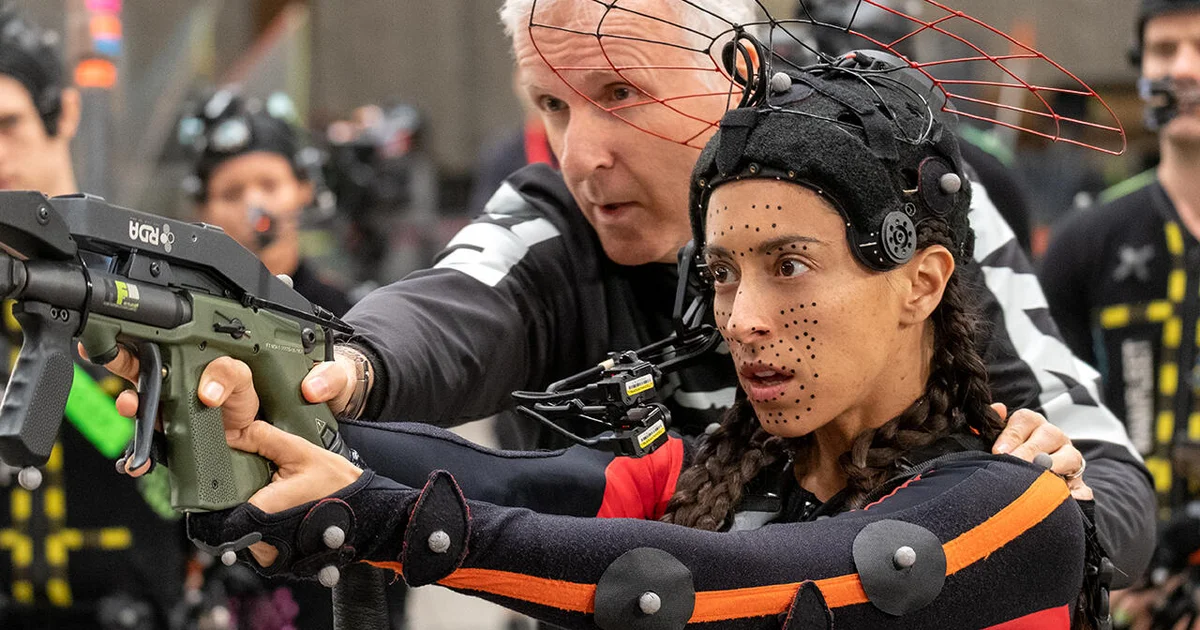

The highly anticipated third installment of the “Avatar” franchise, titled “Avatar: Fire and Ash,” is set against the stunning backdrop of Pandora but primarily filmed in a state-of-the-art facility in Los Angeles. Under the direction of acclaimed filmmaker James Cameron, intricate scenes, including vast oceanic simulations, were crafted to bring the world of the Na’vi to life. Notably, the film also represents a continuation of Cameron’s exploration of cutting-edge technology in filmmaking, particularly through performance capture and CGI, heralding a new era of cinematic artistry.
| Article Subheadings |
|---|
| 1) The Journey to Creating Pandora |
| 2) The Role of Performance Capture |
| 3) A Visionary’s Background |
| 4) Challenges and Breakthroughs in Technology |
| 5) The Future of Filmmaking |
The Journey to Creating Pandora
The enchanting world of Pandora, depicted in the “Avatar” film series, is a testament to the innovative filmmaking methods employed by James Cameron and his team. A significant portion of the movie’s scenes were filmed in a meticulously designed soundstage in Los Angeles, which contained a remarkable 250,000-gallon water tank to create realistic ocean contexts. “We had to build an ocean,” remarked Cameron. He elaborated that the facility could simulate waves and even let crews portray dynamic interactions with water, a feature that adds authenticity to the underwater scenes.
In a bid to craft a visually stunning narrative, the creators worked with land and water settings. The actors, including renowned talents like Sigourney Weaver and Zoe Saldaña, performed underwater scenes, contributing to the immersive experience that audiences worldwide have come to expect from the franchise. The digital artists later processed what is termed performance captures, using the raw footage to develop the high-quality animations that viewers see on screen. This blend of live-action and advanced technology highlights the meticulous planning and creativity that went into the project.
The Role of Performance Capture
Performance capture has revolutionized the way characters are portrayed in film, providing a bridge between the actors’ live performances and their digital representations. Cameron explains the technology: “So, performance capture, we use a whole bunch of cameras to capture the body performance of the actor,” he shared. “And we use a single camera (or now we use actually two) to video their face.” This technique ensures that the richness of the actors’ emotions translates onto the screen, thereby enhancing viewer engagement with the characters.
Another unique aspect of this method enables the actors to be “in close-up 100% of the time.” This focus not only aids the technical process but also mimics the intimate settings of theater rehearsal, allowing actors to live their scenes more fully, thus contributing to a layered performance. The dedicated use of technology underscores Cameron’s commitment to ensuring that the human element remains central even amidst a digitally-constructed world.
A Visionary’s Background
Cameron’s journey from a young dreamer in rural Canada to a Hollywood directing powerhouse is as compelling as his cinematic creations. He revealed, “I lived in a world of my imagination – it was comic books, it was science fiction.” Early experiences sparked his desire to narrate stories that transcended traditional boundaries. After relocating to Los Angeles, Cameron explored various avenues, from community college to truck driving, before pivoting towards film.
His pivotal moment came while watching “Star Wars,” igniting a passion that would define his career. “I used to put my headphones on and listen to fast electronic music and imagine space battles,” he explained. Inspired, he immersed himself in studying visual effects through self-directed methods, as he lacked formal education in the field. This practical knowledge allowed him to secure jobs in production design and visual effects, gradually building a solid foundation for his future success.
Challenges and Breakthroughs in Technology
Throughout his career, Cameron has pushed the boundaries of technology in cinema. His journey with CGI began with “The Abyss,” which marked a significant technological pivot in filmmaking. However, at the time of creating iconic films like “The Terminator,” practical effects were a necessity due to the limited availability of CGI.
Cameron noted that advancing technology has dramatically changed the filmmaking landscape. The introduction of CGI allowed him to dream bigger. But he remains weary of current trends. “Now, go to the other end of the spectrum, and you’ve got generative AI…That’s horrifying to me,” said Cameron, emphasizing a desire to preserve the artistry of human performance. Especially with projects like “Avatar: Fire and Ash,” the goal remains to keep the human element central, rather than replacing it with generated content.
The Future of Filmmaking
As Cameron prepares for the premiere of “Avatar: Fire and Ash,” he reflects on his career and the future of filmmaking with a sense of unease yet excitement. “Nervous! Are you kidding? Always,” he added with a laugh. He recognizes the evolving nature of the film industry and remains committed to embracing new challenges. “I’m attracted, in case you haven’t noticed, by things I don’t know how to do,” he emphasized. Cameron’s dedication to continuous growth, even into later years of his life, speaks volumes about his passion for the craft.
The film industry, particularly with the advent of new technologies, holds endless possibilities that Cameron intends to explore further. As filmmakers grapple with the balance between technology and storytelling, Cameron’s philosophy provides a guiding principle: to prioritize the authentic actor-director connection that has defined film for generations.
| No. | Key Points |
|---|---|
| 1 | “Avatar: Fire and Ash” merges innovative technology with traditional storytelling. |
| 2 | The film’s underwater scenes were shot in a custom-built soundstage in Los Angeles. |
| 3 | Performance capture technology plays a crucial role in capturing authentic actor performances. |
| 4 | Cameron’s background and unconventional journey shaped his innovative approach to filmmaking. |
| 5 | The filmmaker emphasizes the importance of maintaining the human element in the age of AI-driven creation. |
Summary
The upcoming release of “Avatar: Fire and Ash” not only continues the iconic storytelling rooted in the Na’vi culture but also encapsulates James Cameron‘s journey as a pioneering filmmaker. Through its innovative use of technology and dedication to artistic authenticity, the film represents both a culmination of past achievements and a testament to future possibilities in filmmaking. As audiences await its premiere, the discussions surrounding the blend of technology and human creativity will undoubtedly resonate both within and beyond the movie industry.
Frequently Asked Questions
Question: What is the central theme of “Avatar: Fire and Ash”?
The film explores the struggle of the indigenous Na’vi people as they fight to protect their paradise from human colonization.
Question: How does performance capture work in filmmaking?
Performance capture utilizes multiple cameras to record an actor’s movements and expressions, which are then transformed into digital representations for animated characters.
Question: What inspired James Cameron’s interest in filmmaking?
Cameron’s passion for filmmaking began in childhood, influenced by his love for science fiction and storytelling, leading him to pursue a career in the industry.
