

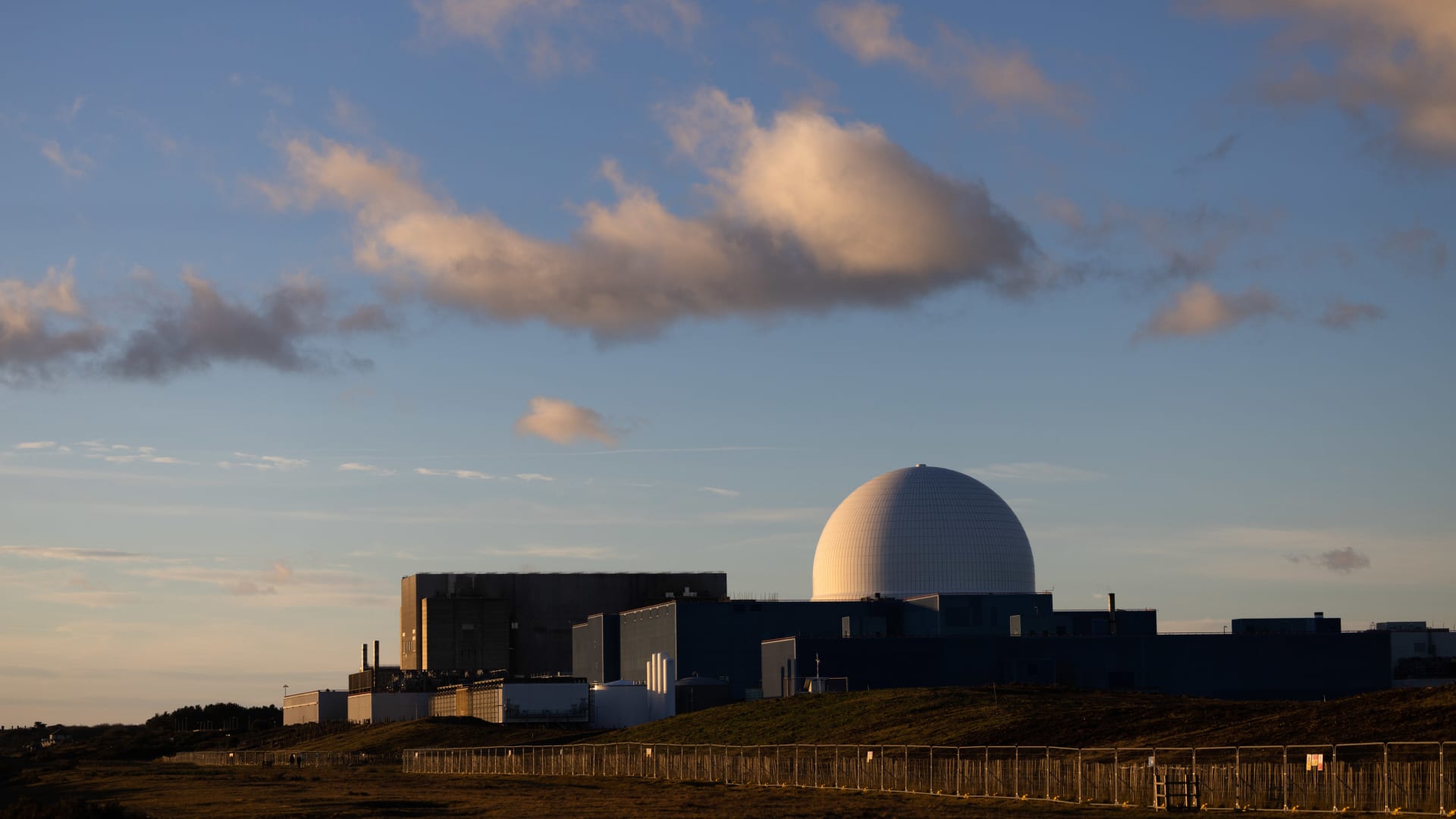

The United Kingdom is initiating a significant resurgence in nuclear energy, a sector where it once led the world but has since lagged due to various challenges. Although nuclear power made up only 14% of the country’s energy supply in 2023, government officials aim to increase that figure to 25% by 2050. As global energy demands shift, particularly in the wake of geopolitical tensions, the U.K. government is working to address past regulatory failures and secure funding for both traditional nuclear plants and innovative small modular reactors (SMRs).
| Article Subheadings |
|---|
| 1) Nuclear Power’s Declining Role in U.K. Energy |
| 2) Advancements in Reactor Technology |
| 3) Funding Innovations for Nuclear Projects |
| 4) Developing the Nuclear Workforce |
| 5) Challenges and Future Outlook |
Nuclear Power’s Declining Role in U.K. Energy
Despite being the birthplace of commercial nuclear energy, the U.K. has witnessed a significant decline in its nuclear power generation, currently accounting for only 14% of the national energy supply. This figure sharply contrasts with France’s 65% nuclear dependency. Historically, the U.K. had a robust nuclear presence, with more nuclear facilities than the U.S., USSR, and France combined up until 1970. The last new reactor, Sizewell B, was completed in 1995, indicating a long-standing stagnation in the sector.
Recent efforts aim to revitalize the nuclear industry, especially as geopolitical tensions have placed energy security at the forefront of public concern. The U.K. government envisions that by 2050, nearly 25% of energy will be sourced from nuclear power, bolstering its position as a low-carbon baseload energy source. This ambition aligns with a broader commitment to reduce greenhouse gas emissions in line with global climate goals.
However, the U.K. Nuclear Regulatory Taskforce has identified several systemic issues, including fragmented regulations and insufficient incentives that have hindered growth. Following these findings, the government pledged to implement necessary reforms and streamline the legislative framework within the next three months.
Advancements in Reactor Technology
Innovations in reactor technology are shaping the U.K.’s nuclear landscape, particularly with the introduction of small modular reactors (SMRs). These modern reactors are smaller, factory-built units that promise both safety and cost-efficiency. Unlike traditional large-scale plants, SMRs can potentially be deployed more quickly, responding to local energy needs without requiring extensive lead times.
One notable player in this field is the British company Rolls-Royce, which has been named as the preferred partner for SMR development. The company’s designs incorporate passive cooling features, making them safer and more adaptable to various environmental conditions. According to industry experts, these small reactors could address specific energy demands, such as powering individual factories or communities, but widespread operational deployment is still several years away.
The U.K.’s first SMR will be constructed in Wylfa, Wales, with plans for additional units as the project develops. However, many analysts caution that the commercial rollout of SMRs may only start to materialize by the 2030s, raising questions about whether they can meaningfully contribute to the U.K.’s immediate energy needs.
Funding Innovations for Nuclear Projects
Funding the next generation of nuclear projects is critical, especially given the financial scrutiny that large-scale initiatives face. The U.K. has pioneered funding mechanisms designed to reduce reliance on direct government support. The Contract for Differences model guarantees a fixed price for generated electricity over a long operational period, helping to minimize investment risks associated with construction overruns and delays.
The Regulated Asset Base (RAB) model further streamlines investor returns by allowing funding to commence as soon as financial commitments are made, rather than waiting for a plant to become operational. This innovation was notably utilized in the Hinkley Point C project, which has faced escalating costs since its inception.
Private investors are increasingly viewing advanced nuclear technologies as attractive investment opportunities in light of rising global energy demands. One standout company is U.S.-based Oklo, known for its innovative approach to nuclear technology. Despite being in the early stages of development, the revitalization of funding mechanisms is laying a foundation for a more robust financial future for nuclear energy in the U.K.
Developing the Nuclear Workforce
As the U.K. pursues advancements in nuclear energy, it faces a critical challenge in cultivating a skilled workforce. Despite a tradition of excellence in engineering and technical education, experts argue the country lacks the practical experience needed for large-scale nuclear operations. The recent Clean Energy Jobs Plan emphasizes the importance of nuclear energy in shaping the future workforce, focusing on apprenticeships and upskilling existing workers in allied sectors.
Industry initiatives such as the Energy Skills Passport are being introduced to facilitate transitions for oil and gas workers into renewable energy roles. These efforts aim to align skills with the evolving needs of a low-carbon economy, thereby ensuring that the U.K. can effectively meet its ambitious nuclear energy targets.
While the U.K. boasts renowned universities, there remains a pressing need for on-the-ground expertise and experience that can only be gained through practical application. Addressing this gap will be crucial for the successful implementation of future nuclear projects.
Challenges and Future Outlook
While the government pursues ambitious goals for nuclear energy, several obstacles remain that could impede progress. One pressing concern is the nuclear supply chain, particularly the reliance on uranium sourcing. Currently dominated by a few key nations, including Russia, the potential for increased global demand raises questions about the security and stability of uranium supplies over the coming decades.
In response, the U.K. is allocating funding to bolster its nuclear supply chain and aims to phase out reliance on Russian nuclear fuel by 2028. Upcoming projects like Sizewell C are planned to source fuel from European or “Western suppliers,” but the long-term implications of these sourcing strategies remain uncertain.
Ultimately, while the U.K. is making strides toward revitalizing its nuclear power sector, achieving these objectives will require coordinated efforts across regulatory, financial, and workforce dimensions. Achieving nuclear energy targets is not only about constructing new facilities; it’s also about establishing a resilient supply chain that secures the future of energy independence.
| No. | Key Points |
|---|---|
| 1 | The U.K. aims to generate 25% of its energy from nuclear sources by 2050. |
| 2 | Small Modular Reactors (SMRs) are being developed as a new class of nuclear technology. |
| 3 | Funding mechanisms like Contracts for Differences and Regulated Asset Base (RAB) are being employed to attract investment. |
| 4 | The U.K. government emphasizes training a skilled workforce for the future of nuclear energy. |
| 5 | Challenges remain in securing uranium supplies and strengthening the nuclear supply chain. |
Summary
The U.K.’s renewed commitment to nuclear energy represents a critical step in addressing both energy security and climate sustainability. As the government pursues initiatives to overcome historical shortcomings and embrace technological advancements, the future of nuclear power in the U.K. hinges on effective funding, workforce development, and a secure supply chain. Continued investment and innovation will be paramount for the U.K. to reclaim its position as a leader in the nuclear energy sector.
Frequently Asked Questions
Question: Why is the U.K. focusing on nuclear energy now?
The U.K. is prioritizing nuclear energy to enhance energy security, reduce carbon emissions, and address the instability of traditional energy sources, especially in the face of global geopolitical tensions.
Question: What are Small Modular Reactors (SMRs)?
SMRs are compact, factory-built nuclear reactors designed for safety and cost efficiency. They can be deployed more rapidly than traditional large-scale reactors to meet local energy needs.
Question: How does funding work for nuclear projects in the U.K.?
Innovative funding mechanisms, such as Contracts for Differences and the Regulated Asset Base (RAB) model, allow for secure investment and financial assurances, thereby minimizing risks associated with project delays and budget overruns.
