

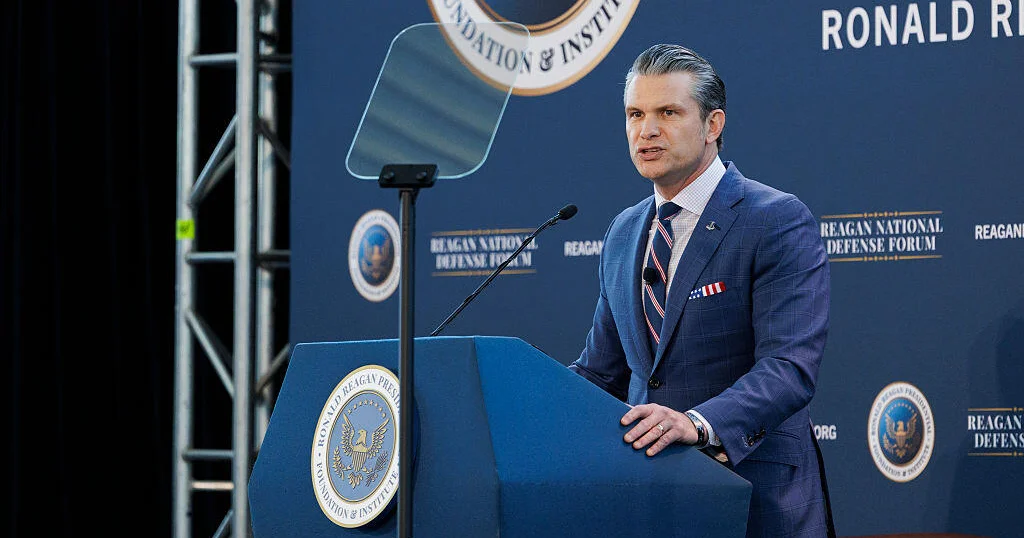

In a recent briefing, Defense Secretary Pete Hegseth faced scrutiny over the Pentagon’s operations involving missile strikes targeting alleged drug-smuggling boats in the Caribbean. The strikes, which resulted in multiple casualties, sparked controversy, especially regarding the alleged orders given for subsequent actions. Hegseth emphasized the need for careful evaluation before any video evidence is released to the public, while also reiterating the Pentagon’s commitment to curtail drug trafficking.
| Article Subheadings |
|---|
| 1) Context of the Operations |
| 2) Controversy Surrounding the Strikes |
| 3) Pentagon’s Response and Future Actions |
| 4) Legal and Ethical Implications |
| 5) Public Reaction and Congressional Briefings |
Context of the Operations
The Pentagon’s missile strikes on September 2 marked a significant escalation in U.S. military operations aimed at tackling drug trafficking in Central America. Over the past few months, the U.S. has intensified its focus on intercepting drug cartels and their operations in the Caribbean and Eastern Pacific. The strikes resulted in the deaths of eleven individuals believed to be involved in drug smuggling.
This operation is part of a wider strategy to diminish the influence of narcotics trafficking, which is seen as a threat to national security. Secretary Hegseth confirmed that these operations will not be halted and stated that the U.S. is committed to combating what he termed “narco-terrorism.” By targeting drug boats, the administration aims to disrupt the supply chains that contribute to the opioid crisis affecting the U.S. populace.
Controversy Surrounding the Strikes
Substantial public backlash arose following reports that a second missile strike was ordered against survivors of the initial assault. Although the White House confirmed this second strike, both it and Secretary Hegseth have distanced themselves from having given explicit orders for such an action, stating that it was within the authority of Adm. Frank “Mitch” Bradley.
Critics argue that the military tactics employed in these operations are aggressive and raise questions about the ethical implications of potentially targeting individuals after a primary strike. Reports from the Washington Post indicated that a source claimed there was a verbal order to “kill everybody” on the first strike. Hegseth strongly denied these allegations, calling them ridiculous and an attempt to mischaracterize the operational decisions made by military leaders.
Pentagon’s Response and Future Actions
During his recent speech, Secretary Hegseth reiterated his support for military action against drug traffickers and emphasized the U.S. will continue to implement strikes as necessary. He remarked, “We are killing them. We will keep killing them so long as they are poisoning our people with narcotics so lethal they’re tantamount to chemical weapons.”
However, despite strong rhetoric, Hegseth was noncommittal regarding the timing of any potential video release related to the strikes. He stated, “We are reviewing it right now,” indicating that a careful assessment is underway as Pentagon officials weigh the implications of disclosure.
Legal and Ethical Implications
The situation has prompted numerous legal experts to question the legitimacy of the second strike and whether it could be classified as a war crime under international law. The notion of targeting individuals post-initial strike is troubling to many observers, particularly because it raises critical questions about the fears of collateral damage and ethical military conduct.
The military actions have ignited debates on rules of engagement, especially in operations aimed at non-state actors involved in drug trafficking. Proponents of the strikes argue that drug traffickers operate outside the bounds of international law, while opponents express concern about the precedent being set for future military engagements.
Public Reaction and Congressional Briefings
Public discourse surrounding the strikes has intensified, particularly after members of Congress received briefings on the operations. Sen. Tom Cotton, chair of the Senate Intelligence Committee, and Rep. Jim Himes, the leading Democrat on the House Intelligence Committee, indicated that Adm. Bradley clarified he had received no explicit orders to leave no survivors.
The findings shared with lawmakers raised alarms, with many questioning the implications of commanders having the authority to execute lethal actions against unarmed individuals. While some officials, including Donald Trump, expressed support for releasing all footage related to these strikes, concerns remain about transparency in military operations.
| No. | Key Points |
|---|---|
| 1 | The Pentagon confirmed a high-casualty missile strike aimed at drug-smuggling boats. |
| 2 | There is ongoing debate regarding the legality of subsequent strikes on survivors. |
| 3 | Hegseth maintains that operations against drug traffickers will persist without hesitation. |
| 4 | Congressional briefings have highlighted discrepancies in the orders given during the operations. |
| 5 | Public and legal scrutiny continues as the consequences of military actions unfold. |
Summary
The recent missile strikes against drug boats in the Caribbean have sparked significant debate surrounding military ethics, legality, and necessary transparency. Despite Secretary Hegseth’s assurances that operations will continue, the aftermath of the strikes raises important questions about the rules of engagement and the implications of targeting individuals. The ongoing scrutiny from both the public and Congress suggests that military actions in such sensitive operations will remain under close examination.
Frequently Asked Questions
Question: What prompted the missile strikes in the Caribbean?
The missile strikes were part of a broader initiative to combat drug trafficking amidst escalating concerns over narcotics smuggling affecting U.S. national security.
Question: What are the implications of the second strike that targeted survivors?
The second missile strike raises ethical and legal questions about military engagement rules, particularly whether such actions could be interpreted as war crimes.
Question: How has Congress reacted to the briefing concerning these military actions?
Congressional lawmakers have expressed concern over the reported orders during the operations, leading to significant speculation about the accountability of military decisions.
